1. Specifications Comparison
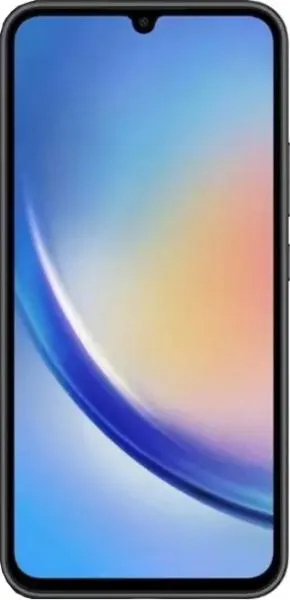
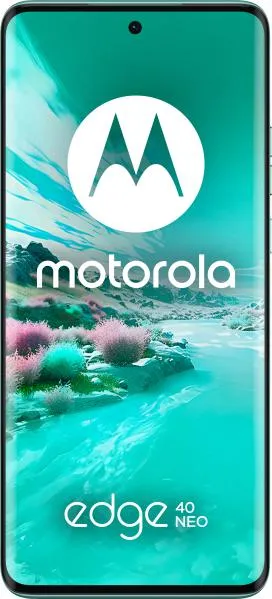
| Feature | Samsung Galaxy A34 | Motorola Edge 40 Neo | Practical Impact |
|---|---|---|---|
| Design | |||
| Dimensions (mm) | 161.3 x 78.1 x 8.2 | 159.6 x 72 x 7.9 | Edge 40 Neo is slightly smaller and thinner, potentially improving one-handed use. |
| Weight (g) | 199 | 170 | Edge 40 Neo is noticeably lighter, reducing hand fatigue during extended use. |
| Display | |||
| Display Type | Super AMOLED | pOLED | Both offer vibrant colors and deep blacks. pOLED can be more power efficient. Subjective preference may apply regarding color saturation. |
| Display Size (inches) | 6.6 | 6.55 | Negligible size difference in real-world usage. |
| Resolution | 1080 x 2340 | 1080 x 2400 | Similar sharpness; minimal practical difference. |
| Refresh Rate (Hz) | 120 | 144 | Edge 40 Neo's higher refresh rate provides smoother scrolling and animations, especially noticeable in gaming and fast-paced content. |
| Peak Brightness (nits) | 1000 (HBM) | 1300 | Edge 40 Neo offers better visibility in direct sunlight. |
| HDR | No Dolby Vision, HDR10/10+ status unclear | HDR10+ | Edge 40 Neo supports HDR10+, enhancing video quality with wider color gamut and dynamic range on compatible content. |
| Performance | |||
| Chipset | MediaTek Dimensity 1080 | MediaTek Dimensity 7030 | Both are mid-range chipsets. Benchmarking data would be needed for definitive performance comparison. |
| CPU | Octa-core (2x2.6 GHz Cortex-A78 & 6x2.0 GHz Cortex-A55) | Octa-core (2x2.5 GHz Cortex-A78 & 6x2.0 GHz Cortex-A55) | Very similar CPU configurations. Real-world performance differences likely minimal. |
| GPU | Mali-G68 MC4 | Mali-G610 MC3 | Benchmarking required for accurate comparison. G610 is newer architecture, but core count difference needs consideration. |
| RAM (GB) | 6/8 | 12 | Edge 40 Neo's significantly larger RAM enables better multitasking and smoother performance with numerous apps open. |
| Camera | |||
| Main Camera (MP) | 48 | 50 | Megapixel count doesn't guarantee better image quality. Sensor size, aperture, and processing play a larger role. |
| DxOMark Score | 92 | 103 | Edge 40 Neo scores significantly higher in DxOMark, suggesting superior overall camera performance, particularly in video (116 vs 78). |
| Video Capabilities | 4K@30fps | 4K@30fps with EIS | Both record 4K video; Edge 40 Neo benefits from Electronic Image Stabilization (EIS) for smoother footage. Also supports higher frame rate slow-motion. |
| Battery | |||
| Capacity (mAh) | 5000 | 5000 | Identical battery capacities. Real-world battery life depends on usage patterns and software optimization. |
| Fast Charging (W) | 25 | 68 | Edge 40 Neo charges significantly faster, minimizing downtime. |
2. Key Differences Analysis
Motorola Edge 40 Neo Advantages:
- Lighter and More Compact: Noticeably lighter and slightly smaller, enhancing portability and one-handed use.
- Smoother Display: Higher refresh rate (144Hz) and brighter display with HDR10+ support.
- Superior Camera Performance: Higher DxOMark score indicates better overall camera quality, especially in video recording with EIS.
- Faster Charging: 68W fast charging significantly reduces charging time.
- More RAM: 12GB RAM enables superior multitasking.
Samsung Galaxy A34 Advantages:
- Longer Software Support: Promised updates to Android 17, compared to Android 15 for the Edge 40 Neo.
3. User Profiles & Recommendations
Motorola Edge 40 Neo: Ideal for users prioritizing performance, camera quality, a smooth display, and fast charging. Suitable for gaming, content consumption, and photography enthusiasts.
Samsung Galaxy A34: Best for users who value long-term software updates and security. Suitable for users who prioritize software longevity over cutting-edge hardware.
4. Decision Framework
Key Questions for Buyers:
- How important is long-term software support? If updates are crucial, the A34 is preferable.
- What is your budget and how important is the price-to-performance ratio? Both are mid-range, but precise pricing comparison is necessary.
- What are your primary use cases? Gaming, photography, and content consumption benefit from the Edge 40 Neo's superior display, performance, and camera.
My Choice: Motorola Edge 40 Neo
While the Samsung Galaxy A34 offers longer software support, the Motorola Edge 40 Neo provides a more compelling overall package for my needs. The significantly faster charging, smoother and brighter display, superior camera performance based on DxOMark scores, lighter weight, and larger RAM contribute to a better user experience in my daily usage scenarios. I prioritize these features over the extended software update cycle offered by the A34. The two extra years of Android updates are a nice to have, but the tangible day-to-day benefits of the Edge 40 Neo outweigh that advantage for me.
