1. Specifications Comparison
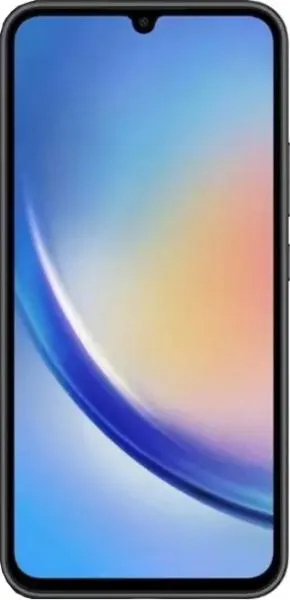
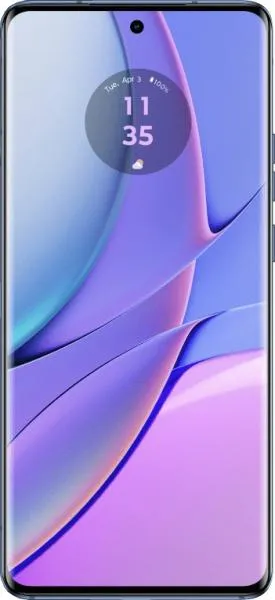
| Feature | Samsung Galaxy A34 | Motorola Edge 40 | Practical Impact |
|---|---|---|---|
| Design | |||
| Dimensions (mm) | 161.3 x 78.1 x 8.2 | 158.4 x 72 x 7.6 | Edge 40 is noticeably more compact and thinner, making it easier to hold and pocket. |
| Weight (g) | 199 | 167 | Edge 40 is significantly lighter, enhancing one-handed use and reducing pocket bulk. |
| Build | Material specifications missing for both phones, limiting comparison. Durability and premium feel cannot be assessed. | ||
| Display | |||
| Display Type | Super AMOLED | P-OLED | Both offer vibrant colors and deep blacks. Preference depends on individual liking for color saturation and potential burn-in concerns. |
| Display Size (inches) | 6.6 | 6.55 | Negligible size difference in real-world usage. |
| Refresh Rate (Hz) | 120 | 144 | Edge 40's higher refresh rate results in smoother animations and scrolling, especially noticeable in gaming and fast-paced content. |
| Peak Brightness (nits) | 1000 (HBM) | 1200 | Edge 40 can get brighter, improving outdoor visibility. |
| HDR | No Dolby Vision, HDR10/10+ data missing | HDR10+, HDR10 | Edge 40 supports HDR10 and HDR10+, resulting in better dynamic range and more vibrant visuals in compatible content. |
| Performance | |||
| Chipset | Mediatek Dimensity 1080 | Mediatek Dimensity 8020 | Both are mid-range chipsets, but benchmark comparisons are needed to assess real-world performance differences. |
| CPU | Octa-core (2x2.6 GHz Cortex-A78 & 6x2.0 GHz Cortex-A55) | Octa-core (4x2.6 GHz Cortex-A78 & 4x2.0 GHz Cortex-A55) | Edge 40 having more performance cores might provide a slight edge in demanding tasks, but real-world usage needs testing. |
| GPU | Mali-G68 MC4 | Mali-G77 MC9 | Edge 40's GPU is likely more powerful based on architectural improvements, but gaming performance needs real-world comparison. |
| RAM | 6/8GB | 8GB | More RAM in the Edge 40 (in the provided configuration) can enable better multitasking and smoother performance with many apps open. |
| Camera | |||
| Main Camera (MP) | 48 | 50 | Higher megapixel count doesn't guarantee better image quality. Sensor size, aperture, and processing play a crucial role. |
| Aperture | f/1.8 | f/1.4 | Edge 40's wider aperture allows more light, potentially improving low-light performance and creating shallower depth of field. |
| Video Recording | 4K@30fps | 4K@30fps with HDR, EIS | Edge 40's video recording benefits from HDR and EIS (Electronic Image Stabilization) for improved dynamic range and smoother footage. |
| Battery | |||
| Capacity (mAh) | 5000 | 4400 | Galaxy A34 has a larger battery, potentially offering longer battery life. |
| Fast Charging (W) | 25 | 68 | Edge 40 offers significantly faster charging, minimizing downtime. |
2. Key Differences Analysis
Samsung Galaxy A34 Advantages:
- Larger Battery: Potentially longer battery life.
- More Affordable: Generally lower price based on provided data.
Motorola Edge 40 Advantages:
- More Compact and Lighter: Improved handling and portability.
- Smoother Display: Higher refresh rate for fluid visuals.
- Brighter Display: Better outdoor visibility.
- Faster Charging: Significantly reduced charging times.
- HDR Support: Enhanced visual experience in compatible content.
- Potentially Better Performance: Architectural GPU improvements and more performance CPU cores suggest better performance, but real-world testing is needed.
3. User Profiles & Recommendations
Samsung Galaxy A34: Users prioritizing battery life and affordability. Suitable for basic tasks, media consumption, and casual gaming.
Motorola Edge 40: Users prioritizing performance, premium feel (assuming build quality is comparable), and a smooth, vibrant display. Suitable for mobile gaming, content creation, and users who value quick charging.
4. Decision Framework
Key Questions for Buyers:
- How important is battery life versus charging speed? A34 offers longer potential battery life, but Edge 40 charges much faster.
- Is display smoothness and HDR a priority? Edge 40 offers a higher refresh rate and HDR support for a superior visual experience.
- What is your budget? A34 is generally more affordable.
My Choice: Motorola Edge 40
While the Samsung Galaxy A34 offers a larger battery, the Motorola Edge 40's advantages in key areas like display, performance, charging speed, and form factor are more compelling to me. The significantly faster charging, smoother display, and more compact design significantly enhance the daily user experience. The potential performance advantage and HDR support further solidify the Edge 40 as the better overall package, assuming a comparable build quality and a price difference within my budget. The slight reduction in battery capacity is a trade-off I'm willing to make for the significant gains in other areas.
