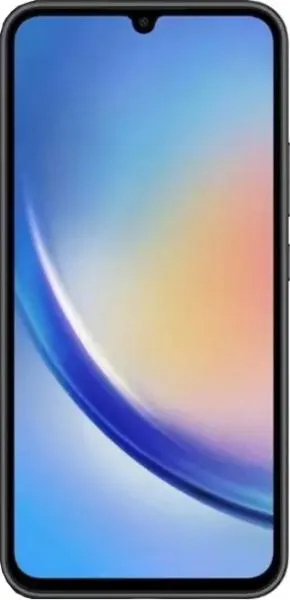
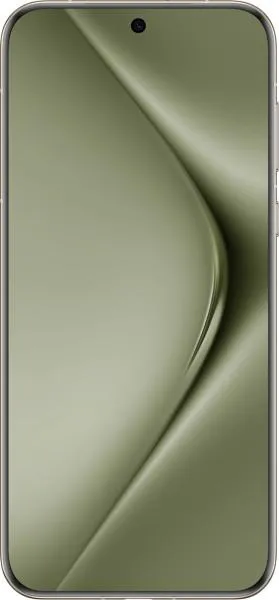
1. Specifications Comparison
| Feature | Samsung Galaxy A34 | Huawei Pura 70 Ultra | Practical Impact |
|---|---|---|---|
| Design | |||
| Dimensions (mm) | 161.3 x 78.1 x 8.2 | 162.6 x 75.1 x 8.4 | The Huawei is slightly larger and heavier. |
| Weight (g) | 199 | 226 | The Samsung will feel noticeably lighter in hand, reducing hand fatigue during extended use. |
| Display | |||
| Size (inches) | 6.6 | 6.8 | The Huawei offers a slightly larger screen for more immersive media consumption. |
| Resolution (px) | 1080 x 2340 | 1260 x 2844 | The Huawei has a sharper display (higher pixel density) resulting in clearer text and images. |
| Type | Super AMOLED, 120Hz | LTPO OLED, 120Hz | Both offer smooth scrolling and animations due to the 120Hz refresh rate. The Huawei's LTPO panel allows for dynamic refresh rate adjustment, potentially saving battery. Its 1B colors offer a wider color gamut for more accurate and vibrant visuals. |
| Peak Brightness (nits) | 1000 (HBM) | 2500 | The Huawei's significantly higher peak brightness ensures better visibility in direct sunlight. |
| Performance | |||
| Chipset | Mediatek Dimensity 1080 (6 nm) | Kirin 9010 (7 nm) | The Kirin 9010 in the Huawei is expected to be significantly more powerful, leading to faster app launches, smoother multitasking, and better gaming performance. |
| CPU | Octa-core (2x2.6 GHz Cortex-A78 & 6x2.0 GHz Cortex-A55) | Octa-core (1x2.3 GHz Taishan Big & 3x2.18 GHz Taishan Mid & 4x1.55 GHz Cortex-A510) | The Huawei's CPU architecture suggests a focus on performance and efficiency. |
| RAM (GB) | 6/8 | 16 | The significantly higher RAM in the Huawei allows for more apps to be held in memory, reducing reloading and improving multitasking. |
| Camera | |||
| Main Camera (MP) | 48 | 50 | While megapixels aren't everything, the Huawei's larger sensor (1") and wider aperture (f/1.6) suggest significantly better low-light performance and depth of field control compared to the Samsung's (1/2", f/1.8). |
| Ultrawide (MP) | 5 | 40 | The Huawei boasts a much higher resolution ultrawide, capturing more detail and offering greater flexibility. |
| Telephoto | No | 50MP with 3.5x Optical Zoom | The Huawei offers optical zoom for clearer zoomed-in shots, a feature absent in the Samsung. |
| Battery | |||
| Capacity (mAh) | 5000 | 5200 | Both offer excellent battery life. The slightly larger battery in the Huawei may provide a bit more usage time. |
| Fast Charging (W) | 25 | 100 | The Huawei supports significantly faster charging, minimizing downtime. |
2. Key Differences Analysis
Huawei Pura 70 Ultra Advantages:
- Significantly more powerful: The Kirin 9010 and 16GB RAM offer a substantial performance advantage for demanding tasks and future-proofing.
- Superior Camera System: Larger sensor, wider aperture, higher resolution ultrawide, and a dedicated telephoto lens provide greater versatility and image quality.
- Brighter and Sharper Display: The LTPO OLED display offers better visibility outdoors, smoother refresh rate transitions, and more vibrant colors.
- Faster Charging: 100W fast charging significantly reduces charging time.
Samsung Galaxy A34 Advantages:
- Lighter and More Compact: Easier to handle and carry for extended periods.
- Lower Price: Positioned in the mid-range price segment, offering good value for its features.
Trade-offs:
- The Huawei's superior performance and camera come at a significantly higher price.
- The Samsung compromises on performance and camera features for a more affordable price and lighter weight.
3. User Profiles & Recommendations
Samsung Galaxy A34:
- Ideal User: Budget-conscious users who prioritize affordability, a lightweight design, and all-day battery life. Suitable for everyday tasks like social media, browsing, and casual photography.
- Use Cases: Casual photography, social media browsing, light gaming, video streaming.
Huawei Pura 70 Ultra:
- Ideal User: Power users, photographers, and mobile gamers who demand top-tier performance, the best camera technology, and a premium display.
- Use Cases: Demanding mobile gaming, professional photography and videography, multitasking, content creation.
4. Decision Framework
Key Questions for Buyers:
- What is your budget? The Huawei is significantly more expensive.
- What are your primary smartphone usage patterns? Casual use vs. demanding tasks like gaming or professional photography.
- Do you prioritize performance and camera quality or affordability and portability?
Scenario-Based Recommendations:
- Limited Budget, Everyday Use: Samsung Galaxy A34
- Demanding User, Top-Tier Performance: Huawei Pura 70 Ultra
- Photographer/Videographer: Huawei Pura 70 Ultra
My Choice: Huawei Pura 70 Ultra
While the Samsung Galaxy A34 offers excellent value for its price, I would choose the Huawei Pura 70 Ultra. The significant advancements in performance, camera technology, and display quality are compelling. The Kirin 9010, coupled with 16GB RAM, promises a future-proof experience, and the superior camera system with its larger sensor and versatile lens options aligns with my preference for high-quality mobile photography. The faster charging is a significant convenience. While the higher price is a factor, the substantial upgrades justify the premium for me, as I prioritize a smooth, powerful, and feature-rich smartphone experience. The lack of specific OS information for the Huawei is a minor concern, but assuming it runs a modern version of HarmonyOS, it shouldn't detract significantly from the overall experience.
