1. Specifications Comparison
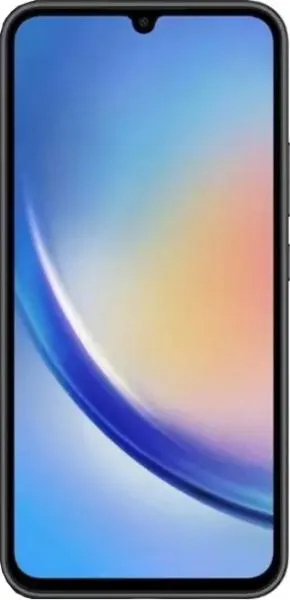
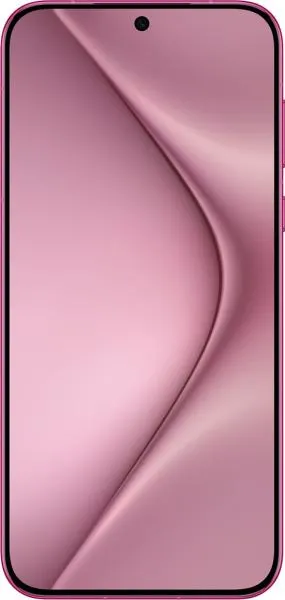
| Feature | Samsung Galaxy A34 | Huawei Pura 70 | Practical Impact |
|---|---|---|---|
| Design | |||
| Dimensions (mm) | 161.3 x 78.1 x 8.2 | 157.6 x 74.3 x 8.0 | Huawei Pura 70 is slightly shorter, narrower, and marginally thinner. Not a significant difference in hand feel. |
| Weight (g) | 199 | 207 | Negligible weight difference; both phones are comfortable to hold. |
| Display | |||
| Display Size (inches) | 6.6 | 6.6 | Same screen size. |
| Resolution (px) | 1080 x 2340 | 1256 x 2760 | Huawei Pura 70 has a sharper display with higher pixel density, resulting in crisper text and images. |
| Display Type | Super AMOLED, 120Hz | LTPO OLED, 120Hz | Both offer smooth scrolling with 120Hz. LTPO on the Huawei allows for variable refresh rate, potentially saving battery. Huawei's "1B colors" suggests a 10-bit display capable of displaying a wider color gamut. |
| Peak Brightness (nits) | 1000 (HBM) | 2500 | Huawei's significantly higher peak brightness ensures better visibility outdoors. |
| Performance | |||
| Chipset | Mediatek Dimensity 1080 (6 nm) | Kirin 9000S1 | Kirin 9000S1 is likely more powerful, though detailed benchmarks are needed for accurate comparison. |
| CPU | Octa-core (2x2.6 GHz Cortex-A78 & 6x2.0 GHz Cortex-A55) | Octa-core | Samsung specifies core configuration; Huawei doesn't. More cores/higher clock speed generally means better performance, but architecture also plays a crucial role. |
| GPU | Mali-G68 MC4 | Maleoon 910 | Unknown performance difference without benchmark data. "8" for GPU is not a meaningful specification. |
| RAM | 6/8 GB | 12 GB | Huawei offers significantly more RAM, enabling better multitasking and smoother performance with demanding applications. |
| OS | Android 13 | Not specified | A major unknown. OS significantly impacts user experience. Without knowing the Huawei's OS, comparison is impossible. |
| Camera | |||
| Main Camera (MP) | 48 | 50 | Huawei has slightly higher resolution on the main sensor. Pixel size and other factors also impact image quality. |
| Other Cameras | Wide, Depth, Selfie | Wide, Telephoto, Selfie | Huawei adds a telephoto lens for optical zoom, lacking in the Samsung. |
| Camera Features | OIS, 4K@30fps | OIS, 4K video, 3.5x optical zoom, up to 100x digital zoom | Huawei offers more advanced camera features, including optical zoom and potentially higher quality slow-motion video (specs unclear). |
| Battery | |||
| Capacity (mAh) | 5000 | 4900 | Negligible difference in battery capacity. |
| Fast Charging | 25W | 65W | Huawei offers significantly faster charging. |
| Wireless Charging | No | 50W | Huawei offers fast wireless charging, a feature absent in the Samsung. |
2. Key Differences Analysis
Samsung Galaxy A34 Advantages:
- Established OS: Runs on Android with guaranteed updates, offering a familiar and widely supported ecosystem.
- Potentially Lower Price: Typically falls in a more affordable price bracket.
Huawei Pura 70 Advantages:
- More Powerful Hardware: Likely offers better performance with more RAM and a potentially more powerful chipset and GPU.
- Superior Display: Sharper, brighter, and potentially wider color gamut with LTPO for battery efficiency.
- Faster Charging & Wireless Charging: Significant advantage in charging convenience.
- More Versatile Camera System: Telephoto lens allows for optical zoom.
Trade-offs:
- Huawei's OS is unknown: This is a major factor that could swing the decision either way.
- Price: Huawei Pura 70 is significantly more expensive.
3. User Profiles & Recommendations
Samsung Galaxy A34:
- Budget-conscious users: Prioritize affordability and a reliable Android experience.
- Casual users: Primarily use their phone for basic tasks like social media, browsing, and communication.
Huawei Pura 70:
- Power users: Demand high performance for gaming, multitasking, and demanding applications.
- Photography enthusiasts: Value a versatile camera system with optical zoom capabilities.
- Users who prioritize fast charging and wireless charging.
4. Decision Framework
Key Questions:
- What is your budget? The price difference is substantial.
- What operating system are you comfortable with? This is critical, as the Huawei's OS is unknown. A lack of Google Play Services could be a dealbreaker for some.
- What are your primary smartphone usage patterns? Identify your needs (performance, camera, battery life).
Scenario-Based Recommendations:
- Limited budget, prioritize core functionality: Samsung Galaxy A34
- Demand performance, best camera, and fast charging, budget is less of a concern: Huawei Pura 70.
My Choice:
I would lean towards the Huawei Pura 70, assuming it runs HarmonyOS with a robust app ecosystem. The superior display, faster charging, wireless charging, and more powerful hardware with more RAM are compelling. The telephoto lens adds valuable versatility to the camera. However, the unknown OS and significantly higher price are considerable risks. If the Huawei phone lacks access to essential Google services or apps, or if its OS is poorly optimized, the Samsung Galaxy A34 would become the preferred choice for its reliable Android experience and lower price. The lack of clear OS information makes a definitive recommendation impossible.
