1. Specifications Comparison
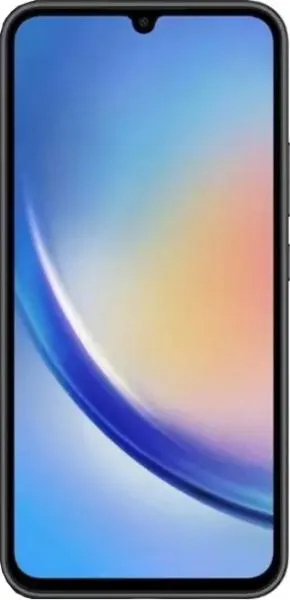
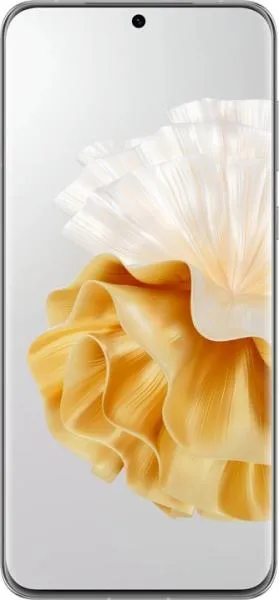
| Feature | Samsung Galaxy A34 | Huawei P60 Pro | Practical Impact |
|---|---|---|---|
| Design | |||
| Dimensions (mm) | 161.3 x 78.1 x 8.2 | 161 x 74.5 x 8.3 | P60 Pro slightly narrower, negligible difference overall. |
| Weight (g) | 199 | 200 | Virtually identical weight. |
| Display | |||
| Display Type | Super AMOLED | LTPO OLED | Both offer excellent contrast and vibrant colors. LTPO allows for dynamic refresh rate, potentially saving battery. |
| Display Size (inches) | 6.6 | 6.67 | Negligible difference in size. |
| Resolution | 1080 x 2340 | 1220 x 2700 | P60 Pro has a sharper display (higher pixel density). Noticeable in detail-rich content like photos and videos. |
| Refresh Rate (Hz) | 120 | 120 | Both offer smooth scrolling and animations. |
| Performance | |||
| Chipset | Mediatek Dimensity 1080 (6 nm) | Qualcomm SM8475 Snapdragon 8+ Gen 1 4G (4 nm) | P60 Pro has a significantly more powerful processor, resulting in faster app loading, smoother multitasking, and better gaming performance. |
| CPU | Octa-core (2x2.6 GHz Cortex-A78 & 6x2.0 GHz Cortex-A55) | Octa-core (1x3.19 GHz Cortex-X2 & 3x2.75 GHz Cortex-A710 & 4x2.0 GHz Cortex-A510) | P60 Pro's CPU architecture is more advanced and powerful. |
| GPU | Mali-G68 MC4 | Adreno 730 | P60 Pro offers superior graphics performance for demanding games and applications. |
| RAM | 6/8 GB | 8/12 GB | P60 Pro offers more RAM in its higher-end configurations, enabling better multitasking and smoother performance with demanding apps. |
| Camera | |||
| Main Camera (MP) | 48 | 48 | Pixel count doesn't tell the whole story. P60 Pro utilizes a larger sensor (1/1.4") and wider aperture (f/1.4), capturing significantly more light and detail, especially in low-light conditions. |
| DxOMark Score | 92 | 156 | P60 Pro's significantly higher DxOMark score indicates superior overall camera quality. |
| Video Capabilities | 4K@30fps | 4K@60fps with EIS | P60 Pro can record higher resolution and frame rate video with enhanced image stabilization. |
| Battery | |||
| Capacity (mAh) | 5000 | 4815 | A34 has a slightly larger battery capacity, but real-world battery life depends on many factors. |
| Fast Charging | 25W | 88W | P60 Pro offers drastically faster charging speeds, minimizing downtime. |
2. Key Differences Analysis
Samsung Galaxy A34 Advantages:
- Lower Price: Significantly more affordable.
- Slightly Larger Battery: Potentially longer battery life, though real-world usage varies.
Huawei P60 Pro Advantages:
- Superior Performance: Significantly faster processor and GPU.
- Higher Quality Display: Sharper and potentially more power-efficient due to LTPO.
- Significantly Better Camera: Larger sensor, wider aperture, and advanced features result in superior image quality.
- Much Faster Charging: 88W fast charging dramatically reduces charging time.
3. User Profiles & Recommendations
Samsung Galaxy A34: Budget-conscious users who prioritize basic smartphone functionality, long battery life, and a vibrant display. Suitable for everyday tasks like social media, web browsing, and casual gaming.
Huawei P60 Pro: Users who demand top-tier performance, the best possible camera quality, a premium display, and fast charging. Ideal for power users, mobile gamers, photography enthusiasts, and content creators.
4. Decision Framework
Key Questions for Buyers:
- What is your budget? The A34 is significantly more affordable.
- What are your performance needs? The P60 Pro offers a substantial performance advantage.
- How important is camera quality? The P60 Pro boasts a significantly better camera system.
Scenario-Based Recommendations:
- Limited Budget: A34
- Prioritize Performance and Camera: P60 Pro
- Balanced Needs and Value: A34
My Choice: Huawei P60 Pro
While the Samsung Galaxy A34 offers excellent value for its price, the Huawei P60 Pro is the superior device overall. Its significantly faster performance, stunning camera quality, and beautiful high-resolution display make it a clear winner for me. The faster charging is a major convenience, outweighing the slightly smaller battery capacity. Although the price is higher, the P60 Pro offers a premium experience that justifies the cost for users who demand the best. The lack of specific OS information for the P60 Pro is a minor concern, but assuming it runs a modern version of HarmonyOS, it shouldn't significantly detract from the overall experience.
