1. Specifications Comparison
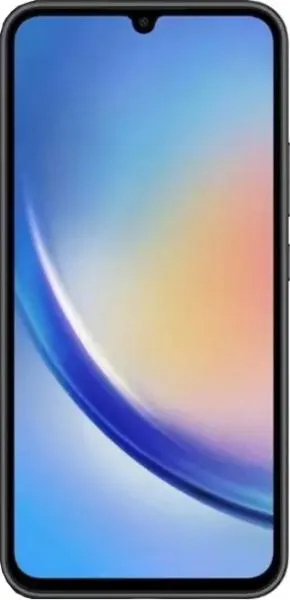
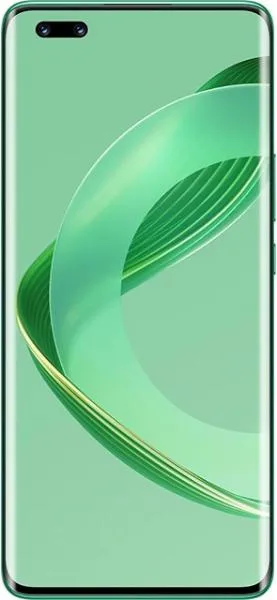
| Feature | Samsung Galaxy A34 | Huawei nova 11 Pro | Practical Impact |
|---|---|---|---|
| Design | |||
| Dimensions (mm) | 161.3 x 78.1 x 8.2 | 164.3 x 74.4 x 7.9 | Nova 11 Pro is slightly taller and narrower, minimal difference in thickness. |
| Weight (g) | 199 | 188 | Nova 11 Pro is noticeably lighter, improving one-handed use. |
| Display | |||
| Size (inches) | 6.6 | 6.78 | Nova 11 Pro offers a slightly larger screen for more immersive content. |
| Resolution (px) | 1080 x 2340 | 1200 x 2652 | Nova 11 Pro has a sharper display with higher pixel density (429 vs 390 ppi). |
| Type | Super AMOLED, 120Hz | OLED, 120Hz | Both offer smooth scrolling and vibrant colors; subjective preference for AMOLED vs OLED. Nova 11 Pro supports 1 Billion colors, offering a wider color gamut. |
| Performance | |||
| Chipset | Mediatek Dimensity 1080 (6 nm) | Qualcomm Snapdragon 778G 4G (6 nm) | Both are mid-range chipsets, Snapdragon 778G generally offers slightly better performance in benchmarks. |
| CPU | Octa-core (2x2.6 GHz Cortex-A78 & 6x2.0 GHz Cortex-A55) | Octa-core (4x2.4 GHz Kryo 670 & 4x1.8 GHz Kryo 670) | Similar CPU configurations, real-world performance differences likely minimal for average users. |
| GPU | Mali-G68 MC4 | Adreno 642L | Adreno 642L generally offers better gaming performance. |
| RAM (GB) | 6/8 | 6/8/12 | Both offer ample RAM for multitasking; Nova 11 Pro has a 12GB option for power users. |
| Camera | |||
| Rear Camera (MP) | 48MP Main, 8MP Ultrawide, 5MP Macro, 5MP Depth | 50MP Main, 8MP Ultrawide+Macro | Nova 11 Pro simplifies to a dual rear camera setup; megapixels don't tell the whole story - image quality depends on sensor and processing. |
| Front Camera (MP) | 13MP | 60MP Main + 8MP Depth | Nova 11 Pro boasts significantly higher resolution front cameras potentially offering more detailed selfies. Dual front camera setup allows for better portrait mode selfies. |
| Video Recording | 4K@30fps | 720p@960fps with EIS | A34 offers higher resolution video recording; Nova 11 Pro offers super slow-motion at 960fps but at a lower resolution. |
| Battery | |||
| Capacity (mAh) | 5000 | 4500 | A34 has a larger battery, potentially offering longer battery life. |
| Fast Charging (W) | 25 | 100 | Nova 11 Pro supports significantly faster charging, minimizing downtime. |
2. Key Differences Analysis
Samsung Galaxy A34 Advantages:
- Larger Battery: Longer potential battery life.
- Higher Resolution Video Recording: Better for capturing detailed videos.
- Potentially Lower Price: Depending on configuration and region.
Huawei nova 11 Pro Advantages:
- Sharper Display: Higher resolution and pixel density for a more detailed visual experience. Wider color gamut for more vibrant colors.
- Lighter and Sleeker Design: More comfortable for one-handed use.
- Faster Charging: Significantly reduces charging time.
- Higher Resolution Front Camera: Potentially better selfies and video calls.
- Super Slow-Motion Video: Captures unique footage at 960fps.
3. User Profiles & Recommendations
Samsung Galaxy A34: Ideal for users prioritizing battery life, budget-conscious buyers, and those who frequently record videos.
Huawei nova 11 Pro: Suited for users prioritizing display quality, fast charging, and selfie/vlogging enthusiasts. Those who value a lightweight design will also prefer the Nova.
4. Decision Framework
Key Questions for Buyers:
- What is your budget? The A34 is generally more affordable.
- What are your primary use cases? (e.g., gaming, photography, video recording, social media).
- Which features are most important to you? (e.g., battery life, display quality, camera performance, charging speed).
My Choice: Huawei nova 11 Pro
While the Samsung Galaxy A34 offers a larger battery and higher resolution video recording, the Huawei nova 11 Pro is the better overall package for me. The significantly faster charging, superior display quality with a wider color gamut, lighter weight, and higher-resolution front camera system are compelling advantages. The Snapdragon 778G also offers a slight performance edge for gaming. While the lack of specific sensor models for the rear camera is a concern, the overall package leans towards the Nova 11 Pro. The super slow-motion video capability is a unique feature, and although limited to 720p, it offers creative possibilities. Ultimately, the combination of premium features and design in the Nova 11 Pro outweighs the A34's advantages in battery capacity and video resolution for my personal preferences. I value the faster charging, better display, and superior selfie experience more than the extra battery life the A34 might offer.
