1. Specifications Comparison
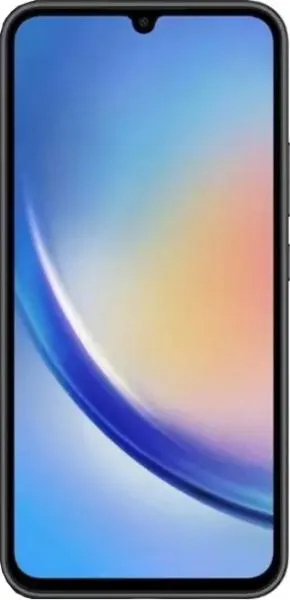
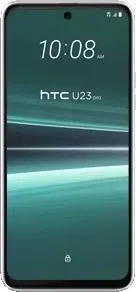
| Feature | Samsung Galaxy A34 | HTC U23 Pro | Practical Impact |
|---|---|---|---|
| Design | |||
| Dimensions (mm) | 161.3 x 78.1 x 8.2 | 166.6 x 77.1 x 8.9 | The HTC U23 Pro is slightly larger and thicker. |
| Weight (g) | 199 | 205 | Negligible weight difference in practical use. |
| Fingerprint Sensor | Under display | Side-mounted | Personal preference; both are reliable unlocking methods. |
| Display | |||
| Display Type | Super AMOLED, 120Hz | OLED, 120Hz | Both offer smooth scrolling and vibrant colors; Super AMOLED generally offers deeper blacks and higher brightness. |
| Size (inches) | 6.6 | 6.7 | The HTC U23 Pro has a marginally larger screen. |
| Resolution (px) | 1080 x 2340 | 1080 x 2400 | Virtually identical pixel density, resulting in similar sharpness. |
| PPI | 390 | 393 | Negligible difference in sharpness. |
| Performance | |||
| Chipset | Mediatek Dimensity 1080 (6 nm) | Qualcomm Snapdragon 7 Gen 1 (4 nm) | Snapdragon 7 Gen 1 generally offers better performance and efficiency due to the smaller manufacturing process node. |
| CPU | Octa-core (2x2.6 GHz Cortex-A78 & 6x2.0 GHz Cortex-A55) | Octa-core (1x2.4 GHz Cortex-A710 & 3x2.36 GHz Cortex-A710 & 4x1.8 GHz Cortex-A510) | Snapdragon 7 Gen 1 likely provides better multi-core performance due to its more modern core architecture. |
| GPU | Mali-G68 MC4 | Adreno 644 | Adreno 644 is expected to deliver smoother gaming and graphics performance. |
| RAM (GB) | 6/8 | 8/12 | More RAM in higher-end U23 Pro variants enables better multitasking and app switching. |
| Camera | |||
| Main Camera (MP) | 48 | 108 | The HTC boasts higher resolution, potentially capturing more detail. However, megapixels alone don't guarantee image quality. |
| Ultrawide (MP) | 5 | 8 | Slightly wider field of view on the HTC. |
| Other Cameras | Depth 5MP | Depth 5MP, Macro 2MP | The macro lens on the HTC can be useful for close-up shots, but its low resolution limits its usefulness. |
| Video | 4K@30fps | 4K@30fps | Comparable video resolution. HTC mentions EIS (Electronic Image Stabilization), suggesting potentially better video stability. |
| Battery | |||
| Capacity (mAh) | 5000 | 4600 | Larger battery capacity on the Samsung likely translates to longer battery life. |
| Fast Charging | 25W | 30W | Faster charging on the HTC; however, the real-world difference might be less significant than the numbers suggest. |
| Wireless Charging | No | 15W + 5W Reverse | HTC offers wireless and reverse wireless charging, providing added convenience. |
2. Key Differences Analysis
Samsung Galaxy A34 Advantages:
- Longer Battery Life: The larger 5000mAh battery is a significant advantage for users who prioritize all-day usage.
- Potentially Lower Price: The A34 is generally more affordable.
HTC U23 Pro Advantages:
- Better Performance: The Snapdragon 7 Gen 1 chipset and Adreno 644 GPU offer a noticeable performance advantage for demanding tasks and gaming.
- More RAM in Higher-End Variants: 12GB RAM option provides excellent multitasking capabilities.
- Wireless and Reverse Wireless Charging: Adds convenience for charging the phone and other devices.
- Higher Resolution Main Camera: Potentially capturing more detail in photos, though real-world image quality depends on various factors.
3. User Profiles & Recommendations
Samsung Galaxy A34: Suitable for budget-conscious users who prioritize battery life and reliable performance for everyday tasks like social media, browsing, and light gaming.
HTC U23 Pro: Ideal for users who demand higher performance for gaming, multitasking, and demanding applications. The wireless charging and potentially superior camera are bonuses.
4. Decision Framework
Key Questions for Buyers:
- What is your budget? The A34 offers excellent value for its price.
- What is your primary use case? Heavy gaming and multitasking favor the U23 Pro. Basic usage favors the A34 due to its longer battery life.
- How important are features like wireless charging? This is a key differentiator if wireless charging is a priority.
My Choice: HTC U23 Pro
While the Samsung Galaxy A34 offers compelling value and exceptional battery life, I would choose the HTC U23 Pro. The superior performance of the Snapdragon 7 Gen 1, coupled with the Adreno 644 GPU, is crucial for my usage, which involves gaming and demanding applications. The added convenience of wireless charging and the potential for higher quality photos with the 108MP main camera further solidify my choice. While the slightly smaller battery is a trade-off, I find the performance and feature advantages of the U23 Pro to outweigh this minor drawback. I am also willing to pay a premium for the better overall experience. The 12GB RAM option is a significant factor for future-proofing and ensuring smooth performance for years to come.
