1. Specifications Comparison
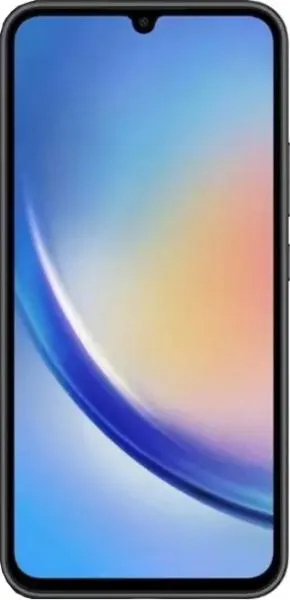
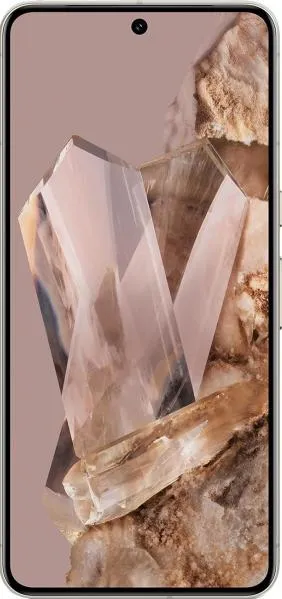
| Feature | Samsung Galaxy A34 | Google Pixel 8 Pro | Practical Impact |
|---|---|---|---|
| Design | |||
| Dimensions (mm) | 161.3 x 78.1 x 8.2 | 162.6 x 76.5 x 8.8 | Pixel 8 Pro is slightly larger and thicker. |
| Weight (g) | 199 | 213 | Pixel 8 Pro is noticeably heavier. |
| Build | Not specified | Not specified | Build quality and materials cannot be compared. |
| Display | |||
| Size (inches) | 6.6 | 6.7 | Negligible difference in screen real estate. |
| Resolution (px) | 1080 x 2340 | 1344 x 2992 | Pixel 8 Pro has a significantly sharper display with higher pixel density, resulting in crisper text and images. |
| Panel Type | Super AMOLED | LTPO OLED | Both offer vibrant colors and deep blacks. Pixel's LTPO allows for dynamic refresh rate adjustment, potentially saving battery. |
| Refresh Rate (Hz) | 120 | 120 | Both offer smooth scrolling and animations. |
| Peak Brightness (nits) | 1000 (HBM) | 2400 (peak) | Pixel 8 Pro offers much higher peak brightness, ensuring better visibility in direct sunlight. |
| Performance | |||
| Chipset | Mediatek Dimensity 1080 (6 nm) | Google Tensor G3 (4 nm) | Tensor G3 is expected to offer significantly better performance and efficiency due to its more advanced manufacturing process and architecture. |
| CPU | Octa-core (2x2.6 GHz Cortex-A78 & 6x2.0 GHz Cortex-A55) | Nona-core (1x3.0 GHz Cortex-X3 & 4x2.45 GHz Cortex-A715 & 4x2.15 GHz Cortex-A510) | Pixel 8 Pro boasts a more powerful CPU configuration, leading to faster app loading, smoother multitasking, and better handling of demanding tasks. |
| GPU | Mali-G68 MC4 | Immortalis-G715s MC10 | Pixel 8 Pro has a more powerful GPU, resulting in smoother gaming and faster graphics rendering. |
| RAM (GB) | 6/8 | 12 | Pixel 8 Pro offers significantly more RAM, enabling better multitasking and preventing apps from closing in the background. |
| Camera | |||
| Rear Cameras | 48MP Main, 8MP Ultrawide, 5MP Macro, 5MP Depth | 50MP Main, 48MP Ultrawide, 48MP Telephoto | Pixel 8 Pro features a superior camera system with a higher resolution main sensor, a dedicated telephoto lens, and advanced computational photography capabilities powered by the Tensor G3. |
| Video Recording | Up to 4K@30fps | Up to 4K@60fps with HDR, OIS, EIS | Pixel 8 Pro offers higher resolution and frame rate video recording with advanced stabilization and HDR. |
| Battery | |||
| Capacity (mAh) | 5000 | 5050 | Negligible difference in battery capacity. |
| Charging | 25W Wired | 30W Wired, 23W Wireless | Pixel 8 Pro supports faster wired charging and wireless charging. |
2. Key Differences Analysis
Samsung Galaxy A34 Advantages:
- Potentially Lower Price: A34 likely falls in a more affordable price bracket.
Google Pixel 8 Pro Advantages:
- Superior Performance: The Tensor G3 chip provides a significant performance advantage for demanding tasks and gaming.
- Significantly Better Camera: Higher resolution sensors, a dedicated telephoto lens, and advanced computational photography provide a major edge in image quality and versatility.
- Sharper Display: Higher resolution and peak brightness provide a more enjoyable viewing experience.
- Faster Charging: Offers faster wired and wireless charging options.
- Longer Software Support: Pixel phones receive guaranteed OS and security updates for longer.
3. User Profiles & Recommendations
Samsung Galaxy A34: Budget-conscious users who prioritize basic smartphone functionality and a decent display. Suitable for everyday tasks like web browsing, social media, and casual photography.
Google Pixel 8 Pro: Users who demand top-tier performance, the best camera experience, and a premium display. Ideal for power users, mobile gamers, photography enthusiasts, and those who value software updates.
4. Decision Framework
Key Questions for Buyers:
- What is your budget? The A34 is likely significantly cheaper.
- What are your primary smartphone usage patterns? For basic use, the A34 might suffice. For demanding tasks, gaming, or photography, the Pixel 8 Pro is superior.
- How important is software support and longevity? Pixel phones generally receive longer software updates.
My Choice: Google Pixel 8 Pro
While the Samsung Galaxy A34 is likely a competent device for its price range, the Google Pixel 8 Pro is the clear winner for me. The significantly improved performance, vastly superior camera system, brighter and sharper display, and longer software support outweigh the price difference. The Tensor G3 chip unlocks unique AI features and computational photography capabilities that enhance the overall user experience in ways the A34 cannot match. As someone who values performance, camera quality, and a future-proof device, the Pixel 8 Pro is the better investment.
