1. Specifications Comparison
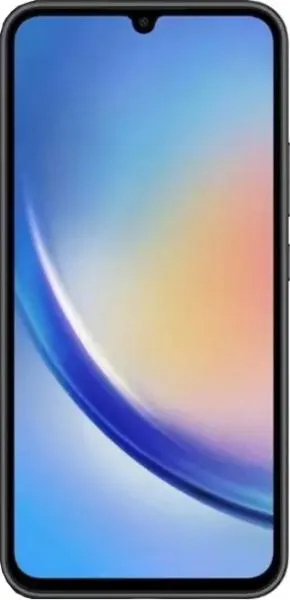
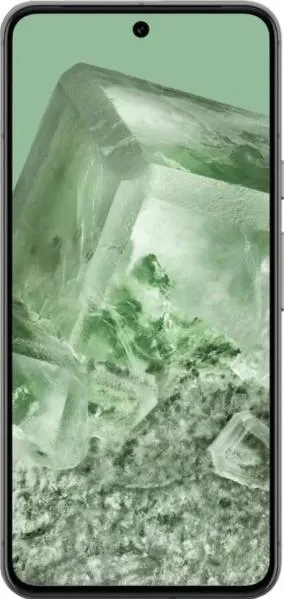
| Feature | Samsung Galaxy A34 | Google Pixel 8 | Practical Impact |
|---|---|---|---|
| Design | |||
| Dimensions (mm) | 161.3 x 78.1 x 8.2 | 150.5 x 70.8 x 8.9 | Pixel 8 is noticeably smaller and slightly thicker. A34 might feel larger in hand. |
| Weight (g) | 199 | 187 | Pixel 8 is lighter, improving one-handed use. |
| Build | Plastic back | Information not available | Impacts durability and premium feel. Missing information for Pixel 8 limits comparison. |
| Display | |||
| Size (inches) | 6.6 | 6.2 | A34 offers a larger screen for media consumption. |
| Resolution (px) | 1080 x 2340 | 1080 x 2400 | Similar sharpness due to Pixel 8's smaller size resulting in higher PPI. |
| Type | Super AMOLED | OLED | Both offer excellent contrast and colors. Subjective preference may apply. |
| Refresh Rate (Hz) | 120 | 120 | Both offer smooth scrolling and animations. |
| Peak Brightness (nits) | 1000 (HBM) | 2000 (peak) | Pixel 8 offers significantly better outdoor visibility. |
| Performance | |||
| Chipset | Mediatek Dimensity 1080 (6nm) | Google Tensor G3 (4nm) | Tensor G3 likely provides significantly better performance and efficiency due to smaller process node and architecture. |
| CPU | Octa-core (2x2.6 GHz Cortex-A78 & 6x2.0 GHz Cortex-A55) | Nona-core (1x3.0 GHz Cortex-X3 & 4x2.45 GHz Cortex-A715 & 4x2.15 GHz Cortex-A510) | Pixel 8's more modern CPU architecture should result in superior multi-tasking and demanding application performance. |
| GPU | Mali-G68 MC4 | Immortalis-G715s MC10 | Pixel 8's GPU will likely offer a better gaming experience. |
| RAM (GB) | 6/8 | 8 | More RAM in Pixel 8 enables smoother multitasking and better handling of demanding applications. |
| OS | Android 13 | Android 14 | Pixel 8 comes with the latest Android version and guaranteed longer updates. |
| Camera | |||
| Rear Camera (MP) | 48MP Main, 8MP Ultrawide, 5MP Macro, 5MP Depth | 50MP Main, 12MP Ultrawide | Pixel 8 boasts a larger main sensor and superior computational photography capabilities due to the Tensor G3 chip. A34 offers dedicated macro and depth sensors, but practical benefits depend on implementation. |
| Front Camera (MP) | 13MP | 10.8MP | Resolution difference is minor; image quality depends more on processing. |
| Video Recording | 4K@30fps | 4K@60fps with HDR, OIS, EIS | Pixel 8 offers higher resolution and frame rate video recording with better stabilization and dynamic range due to HDR. |
| DXOMARK Score | 92 | 148 | Pixel 8 scores significantly higher, indicating superior overall camera quality. |
| Battery | |||
| Capacity (mAh) | 5000 | 4575 | A34 has a larger battery capacity, potentially offering longer battery life. |
| Fast Charging (W) | 25 | 27 | Negligible difference in charging speed. |
2. Key Differences Analysis
Samsung Galaxy A34 Advantages:
- Larger Display: Better for media consumption.
- Potentially Longer Battery Life: Larger battery capacity suggests longer usage time. However, real-world battery life depends heavily on optimization and usage patterns.
Google Pixel 8 Advantages:
- Superior Performance: Tensor G3 chip and more RAM provide significantly faster and smoother performance.
- Significantly Better Camera: Larger sensor, superior processing, higher quality video recording capabilities.
- Software Updates: Latest Android version and guaranteed longer updates, ensuring security and new features.
- Smaller and Lighter: More comfortable for one-handed use.
- Brighter Display: Much better outdoor visibility.
Trade-offs:
- The A34's larger battery might offer longer life, but it comes with a larger and heavier phone.
- Pixel 8's superior performance and camera come at a higher price.
3. User Profiles & Recommendations
Samsung Galaxy A34: Budget-conscious users prioritizing a large display and long battery life for media consumption and general use.
Google Pixel 8: Users prioritizing performance, camera quality, and the latest software features. Suitable for demanding tasks, gaming, and mobile photography enthusiasts.
4. Decision Framework
Key Questions for Buyers:
- What is your budget? The Pixel 8 is more expensive.
- What are your primary use cases? (e.g., gaming, photography, media consumption, general use)
- How important are software updates and future-proofing?
Scenario-Based Recommendations:
- Limited Budget, Basic Use: Samsung Galaxy A34
- Prioritize Camera and Performance: Google Pixel 8
- Large Screen for Media: Samsung Galaxy A34
- Latest Software and Long-Term Support: Google Pixel 8
My Choice: Google Pixel 8
While the Samsung Galaxy A34 offers a larger display and potentially longer battery life, the Google Pixel 8's superior performance, significantly better camera system, guaranteed software updates, and brighter display make it the better overall choice for me. I value a smooth and responsive user experience, and the Tensor G3 chip delivers that. The Pixel 8's camera capabilities are also a major draw, especially its low-light performance and computational photography features. Furthermore, the assurance of long-term software updates ensures that the phone remains secure and up-to-date with the latest features. Although the Pixel 8 is more expensive, the significant advantages in key areas justify the price premium for my needs.
