1. Specifications Comparison
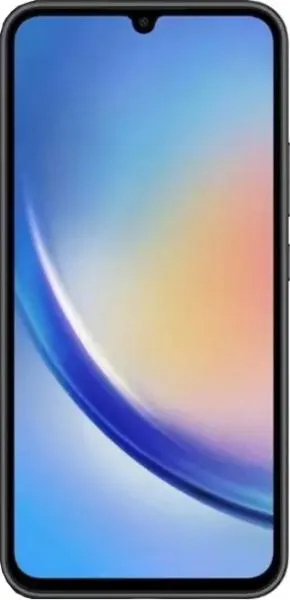
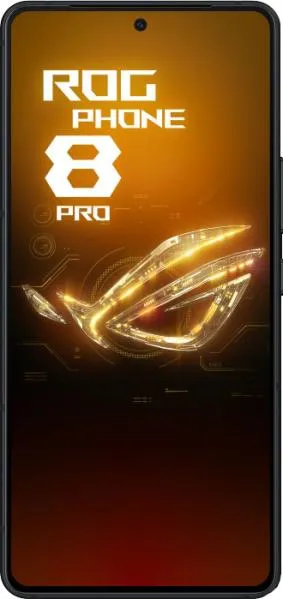
| Feature | Samsung Galaxy A34 | Asus ROG Phone 8 Pro | Practical Impact |
|---|---|---|---|
| Design | |||
| Dimensions (mm) | 161.3 x 78.1 x 8.2 | 163.8 x 76.8 x 8.9 | ROG Phone 8 Pro is slightly larger and thicker. |
| Weight (g) | 199 | 225 | ROG Phone 8 Pro is noticeably heavier. |
| Display | |||
| Size (inches) | 6.6 | 6.78 | ROG Phone 8 Pro offers a slightly larger screen. |
| Resolution (px) | 1080 x 2340 | 1080 x 2448 | Very similar resolutions, minimal practical difference in sharpness. |
| Refresh Rate (Hz) | 120 | 165 | ROG Phone 8 Pro's higher refresh rate results in smoother animations and scrolling, especially noticeable in gaming. |
| Display Type | Super AMOLED | LTPO AMOLED | Both offer vibrant colors and deep blacks. LTPO allows for dynamic refresh rate adjustment, potentially saving battery on the ROG Phone. ROG Phone also boasts significantly higher peak brightness, improving outdoor visibility. |
| Performance | |||
| Chipset | Mediatek Dimensity 1080 (6 nm) | Qualcomm Snapdragon 8 Gen 3 (4 nm) | Snapdragon 8 Gen 3 offers significantly higher performance and efficiency. |
| CPU | Octa-core (2x2.6 GHz Cortex-A78 & 6x2.0 GHz Cortex-A55) | Octa-core (1x3.3 GHz Cortex-X4 & 3x3.2 GHz Cortex-A720 & 2x3.0 GHz Cortex-A720 & 2x2.3 GHz Cortex-A520) | ROG Phone 8 Pro has a more powerful and modern CPU architecture, leading to much faster processing speeds. |
| GPU | Mali-G68 MC4 | Adreno 750 | Adreno 750 provides a substantial leap in graphics performance, crucial for demanding games and applications. |
| RAM (GB) | 6/8 | 16/24 | ROG Phone 8 Pro offers significantly more RAM, enabling smoother multitasking and handling of demanding applications. |
| Camera | |||
| Main Camera (MP) | 48 | 50 | Both offer high resolution, but image quality depends on sensor and processing. |
| Additional Cameras | Wide, Depth, Selfie | Wide, Macro, Telephoto, Selfie | ROG Phone offers more versatile camera options with a dedicated telephoto lens for optical zoom and a macro lens for close-up shots. |
| Video Recording | 4K@30fps | 8K@24fps | ROG Phone 8 Pro supports higher resolution video recording. |
| Battery | |||
| Capacity (mAh) | 5000 | 6000 | ROG Phone 8 Pro has a larger battery, potentially providing longer battery life. |
| Fast Charging (W) | 25 | 65 | ROG Phone 8 Pro supports significantly faster charging. |
2. Key Differences Analysis
Samsung Galaxy A34 Advantages:
- More Affordable: Likely significantly cheaper than the ROG Phone 8 Pro.
- Lighter and More Compact: Easier to handle and carry for extended periods.
Asus ROG Phone 8 Pro Advantages:
- Significantly Higher Performance: Much faster CPU and GPU for demanding tasks and gaming.
- Smoother Display: Higher refresh rate and LTPO technology.
- More Versatile Camera System: Telephoto lens for optical zoom and macro lens.
- Larger Battery and Faster Charging: Longer battery life and quicker charging times.
- More RAM: Better multitasking and handling of demanding applications.
3. User Profiles & Recommendations
Samsung Galaxy A34:
- Ideal User: Budget-conscious users who prioritize affordability and a lightweight design for everyday tasks like social media, browsing, and casual photography.
- Use Cases: Casual gaming, social media, web browsing, basic photography.
Asus ROG Phone 8 Pro:
- Ideal User: Power users and mobile gamers who demand top-tier performance, a smooth display, and advanced camera features.
- Use Cases: Demanding mobile gaming, professional content creation, photography enthusiasts.
4. Decision Framework
Key Questions for Buyers:
- What is your budget? The A34 offers good value for its price, while the ROG Phone 8 Pro commands a premium.
- What are your primary use cases? For everyday tasks, the A34 is sufficient. For demanding gaming and content creation, the ROG Phone 8 Pro excels.
- Do you prioritize performance or affordability? The ROG Phone 8 Pro offers top-tier performance, while the A34 prioritizes affordability.
My Choice: Asus ROG Phone 8 Pro
While the Samsung Galaxy A34 is a solid mid-range device, the Asus ROG Phone 8 Pro is the clear winner for me. Its superior performance, smoother display with higher peak brightness, more versatile camera system, larger battery with faster charging, and expansive RAM make it a compelling package. While the price is significantly higher, the substantial upgrades across the board justify the premium for my needs. I prioritize a smooth and powerful user experience, and the ROG Phone 8 Pro delivers that in spades. While heavier, the increased performance and battery life are worth the trade-off.
