1. Specifications Comparison
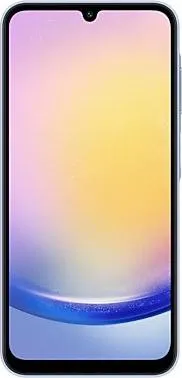
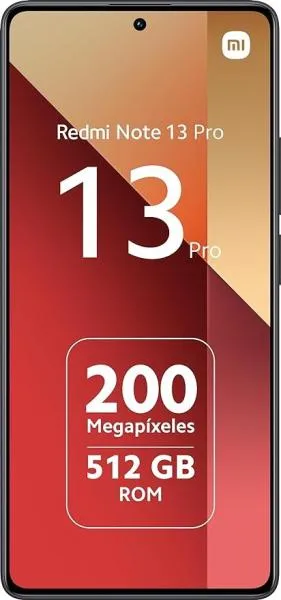
| Feature | Samsung Galaxy A25 | Xiaomi Redmi Note 13 Pro 4G | Practical Impact |
|---|---|---|---|
| Design | |||
| Dimensions | 161x76.5x8.3mm | 161.1x75x8mm | Virtually identical in size and feel. |
| Weight | 197g | 188g | Redmi is slightly lighter, potentially more comfortable for extended use. |
| Fingerprint Sensor | Side-mounted | Under display | Preference-based; under-display feels more modern, side-mounted can be faster. |
| Display | |||
| Size | 6.5" | 6.67" | Redmi offers slightly larger screen real estate. |
| Type | Super AMOLED, 120Hz | AMOLED, 1B colors, 120Hz | Both offer smooth scrolling with 120Hz; Redmi boasts a wider color range (1B vs. standard AMOLED), potentially resulting in richer visuals. |
| Peak Brightness | 1000 nits (HBM) | 1300 nits (peak) | Redmi's significantly higher peak brightness improves outdoor visibility. |
| Resolution | 1080x2340 | 1080x2400 | Negligible difference in sharpness at this screen size. |
| Performance | |||
| Chipset | Exynos 1280 (5nm) | Mediatek Helio G99 Ultra | Exynos 1280 generally offers better performance and efficiency due to the 5nm manufacturing process. |
| CPU | Octa-core (2x2.4 GHz Cortex-A78 & 6x2.0 GHz Cortex-A55) | Octa-core (2x2.2 GHz Cortex-A76 & 6x2.0 GHz Cortex-A55) | A25's CPU has slightly faster performance cores (Cortex-A78 vs A76). |
| GPU | Mali-G68 | Mali-G57 MC2 | A25's Mali-G68 offers significantly better graphical performance for gaming and demanding tasks. |
| RAM/Storage | 256GB/8GB RAM | 256GB/8GB RAM, 512GB/12GB RAM | Redmi offers a 512GB/12GB RAM option for users needing more storage and multitasking power. |
| Camera | |||
| Video | 4K@30fps (EIS), 1080p@30fps (EIS) | 1080p@30fps, 1080p@60fps | A25 offers 4K recording, while Redmi offers smoother 60fps at 1080p. Missing detailed camera specs limit a thorough comparison. |
| Battery | |||
| Capacity | 5000 mAh | 5000 mAh | Identical battery capacity. Real-world battery life depends on software optimization and usage patterns. |
| Software | |||
| OS | Android 14 | Android 13 | A25 ships with a newer Android version and longer promised software updates (up to Android 18). |
2. Key Differences Analysis
Samsung Galaxy A25 Advantages:
- Superior Performance: The Exynos 1280 and Mali-G68 offer a noticeable performance advantage for demanding tasks and gaming.
- Newer Software & Longer Support: Android 14 with updates up to Android 18 ensures longer software support and access to newer features.
- Potentially Better Camera Image Quality: 4K video recording capability suggests a more capable camera sensor, though detailed specs are missing.
Xiaomi Redmi Note 13 Pro 4G Advantages:
- Brighter Display: Significantly brighter display for better outdoor visibility.
- Wider Color Gamut: 1B colors offer potentially richer and more vibrant visuals.
- Larger Storage Option: Availability of a 512GB/12GB RAM вариант for power users.
- Slightly Lighter: Minor weight difference might improve comfort for extended use.
3. User Profiles & Recommendations
Samsung Galaxy A25: Users prioritizing performance, software updates, and potentially better overall camera quality (pending full specs). Ideal for:
- Mobile gamers
- Power users who demand smooth multitasking
- Users who value long-term software support
Xiaomi Redmi Note 13 Pro 4G: Users who prioritize display quality, larger storage options, and value for money. Ideal for:
- Media consumption (movies, photos)
- Users who frequently use their phones outdoors
- Users on a tighter budget who need ample storage
4. Decision Framework
Key Questions for Buyers:
- What is your budget and storage needs? The Redmi offers a larger storage option at a potentially lower price.
- Is performance or display quality more important? The A25 excels in performance, while the Redmi boasts a superior display.
- How long do you plan to keep your phone? The A25 offers longer software support.
My Choice: Samsung Galaxy A25
While the Redmi Note 13 Pro 4G has a compelling display and larger storage options, the Samsung Galaxy A25's superior performance, newer software with longer support, and potential for better overall camera quality make it the more compelling device for me. I prioritize a smooth user experience and long-term value, which the A25 delivers thanks to its more powerful chipset and commitment to software updates. The slightly smaller display and lack of a 12GB RAM option are trade-offs I'm willing to make for the performance and longevity benefits. The Redmi's brighter display is appealing, but performance and long-term software updates are more crucial for my usage.
