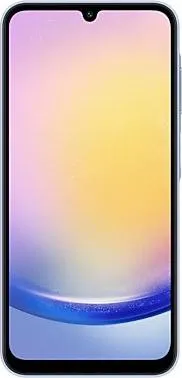
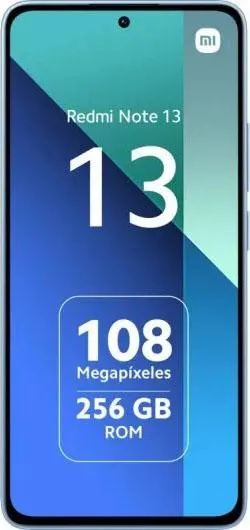
Let's dive into a comparative analysis of the Samsung Galaxy A25 and the Xiaomi Redmi Note 13 4G, dissecting their specifications and uncovering what they truly offer the everyday user.
1. Specifications Breakdown
| Feature | Samsung Galaxy A25 | Xiaomi Redmi Note 13 4G | Real-World Implications |
|---|---|---|---|
| Design | |||
| Dimensions | 161x76.5x8.3mm | 162.3x75.6x8mm | Redmi is slightly taller and narrower, negligible difference in hand feel. |
| Weight | 197g | 188.5g | Redmi is noticeably lighter, enhancing one-handed use. |
| Display | |||
| Size | 6.5" | 6.67" | Redmi offers a slightly larger screen for more immersive content consumption. |
| Type | Super AMOLED, 120Hz | AMOLED, 120Hz | Both offer vibrant colors and smooth scrolling; Samsung potentially boasts better color accuracy. |
| Resolution | 1080x2340 | 1080x2400 | Virtually identical pixel density; sharpness won't be a differentiating factor. |
| Peak Brightness | 1000 nits (HBM) | 1800 nits (peak) | Redmi's significantly higher peak brightness ensures superior outdoor visibility. |
| Performance | |||
| Chipset | Exynos 1280 (5nm) | Snapdragon 685 (6nm) | Exynos 1280 generally offers better performance in benchmarks and gaming. |
| CPU | Octa-core | Octa-core | While both are Octa-core, architectural differences favor the Exynos 1280 for demanding tasks. |
| GPU | Mali-G68 | Adreno 610 | Mali-G68 provides a stronger graphics performance edge for gaming and visually intensive apps. |
| RAM | 8GB | 8GB | Both offer ample RAM for multitasking and smooth operation. |
| Battery | |||
| Capacity | 5000mAh | 5000mAh | Identical battery capacity suggests similar longevity, dependent on usage patterns. |
| Other | |||
| OS | Android 14 | Android 13 | A25 ships with the latest Android version, offering potential feature and security advantages. |
| Fingerprint | Side-mounted | Under-display | Preference-based; under-display often perceived as more modern. |
| Video Recording | 4K@30fps | 1080p@30fps | Samsung allows for higher resolution video capture. |
2. Key Insights
The Samsung Galaxy A25 distinguishes itself with a generally more powerful processor (Exynos 1280), potentially leading to smoother performance in demanding applications and games. Its 4K video recording capability caters to content creators. The newer Android 14 OS promises the latest features and security updates.
The Redmi Note 13 4G counters with a significantly brighter display, crucial for outdoor readability. It's also slightly lighter, improving handling comfort. While its Snapdragon 685 may not match the Exynos 1280 in raw power, it's still capable of handling everyday tasks efficiently.
3. User Profiles and Recommendations
Galaxy A25: Suited for users who prioritize performance, gaming capabilities, and recording high-quality videos. Those seeking the latest software features and updates will also find the A25 appealing.
Redmi Note 13 4G: Ideal for users who consume a lot of media outdoors and value a bright, vibrant display. Its lighter weight enhances comfort for extended use. Price-conscious buyers might find the Redmi more attractive if budget is a primary concern.
4. Buying Decision Framework
- Is raw performance for gaming or demanding apps a top priority? If yes, lean towards the Galaxy A25.
- Do you frequently use your phone outdoors in bright sunlight? If yes, the Redmi Note 13 4G's superior brightness is a strong advantage.
- Which software experience do you value more: the latest features or established stability? The A25 offers newer Android; however, individual preferences for UI and features should be considered.
My Choice
If I were choosing between these two, I'd opt for the Samsung Galaxy A25. While the Redmi Note 13 4G's brighter display and lighter weight are tempting, I prioritize the superior processing power and 4K video recording offered by the A25. The newer Android version also promises a longer lifespan of software support and access to the latest features. As someone who values a smooth user experience for both productivity and occasional gaming, the performance edge offered by the Exynos 1280, coupled with future-proofing through the latest OS, makes the Galaxy A25 the more compelling choice for me.
