1. Specifications Comparison
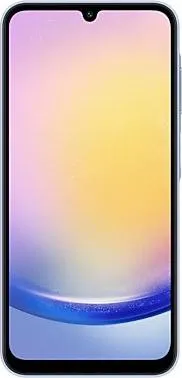
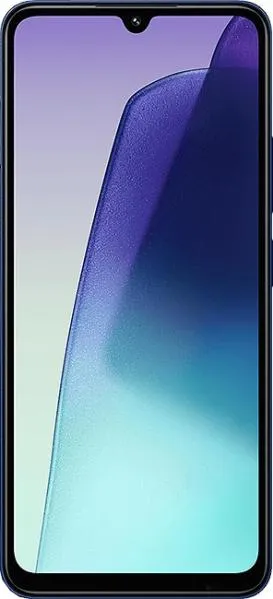
| Feature | Samsung Galaxy A25 | Xiaomi Redmi 14C | Practical Impact |
|---|---|---|---|
| Design | |||
| Dimensions | 161x76.5x8.3mm | 171.9x77.8x8.2mm | Redmi 14C is noticeably larger and slightly heavier. A25 might be more comfortable for one-handed use. |
| Weight | 197g | 211g | Redmi 14C is heavier, potentially more noticeable in prolonged use. |
| Display | |||
| Display Type | Super AMOLED, 120Hz | IPS LCD, 120Hz | A25's AMOLED offers richer colors, deeper blacks, and better power efficiency. |
| Size | 6.5" | 6.88" | Redmi 14C provides a larger viewing area, beneficial for media consumption. |
| Resolution | 1080x2340 (FHD+) | 720x1640 (HD+) | A25 has a significantly sharper display, resulting in clearer text and images. Redmi's lower resolution is noticeable. |
| Refresh Rate | 120Hz | 120Hz | Both offer smooth scrolling and animations. |
| Brightness | 1000 nits (HBM) | 600 nits (HBM) | A25 should offer better visibility in bright sunlight. Specific typical brightness values are missing for both. |
| Performance | |||
| Chipset | Exynos 1280 (5nm) | Mediatek Helio G81 Ultra | Exynos 1280 generally offers better performance and efficiency due to the smaller manufacturing process. |
| CPU | Octa-core (2x2.4 GHz Cortex-A78 & 6x2.0 GHz Cortex-A55) | Octa-core (2x2.0 GHz Cortex-A75 & 6x1.8 GHz Cortex-A55) | A25's CPU boasts faster cores, leading to smoother multitasking and faster app loading. |
| GPU | Mali-G68 | Mali-G52 MC2 | A25's GPU is significantly more powerful, enabling better gaming performance and smoother graphics rendering. |
| RAM/Storage | 256GB/8GB | 128GB/6GB or 128GB/8GB | A25 offers more base storage in this comparison. Both offer options for different RAM configurations, impacting multitasking performance. |
| Camera | |||
| Video Capabilities | 4K@30fps (EIS), 1080p@30fps (EIS) | 1080p@30fps | A25 can record higher resolution videos (4K). Both offer Electronic Image Stabilization (EIS). Detailed camera specifications (megapixels, aperture) are missing, limiting a full comparison. |
| Battery | |||
| Capacity | 5000 mAh | 5160 mAh | Redmi 14C has a slightly larger battery capacity, potentially offering longer battery life. However, real-world usage will depend on other factors like display and chipset efficiency. |
| Other | |||
| OS | Android 14 | Android 14 | Both run the latest Android version. Long-term software support details are missing for Redmi 14C. |
| Sensors | Accelerometer, Gyro, Compass, Fingerprint (side-mounted) | Accelerometer, Compass, Fingerprint (side-mounted) | A25 has a gyroscope sensor for motion-based gaming and AR applications, which Redmi 14C lacks. |
2. Key Differences Analysis
Samsung Galaxy A25 Advantages:
- Superior Display: AMOLED technology with higher resolution and brightness provides a much better visual experience.
- Significantly Better Performance: The Exynos 1280 chipset and more powerful GPU will deliver smoother performance in demanding tasks and games.
- More Storage: The base model offers double the storage compared to the Redmi 14C.
- 4K Video Recording: Offers higher resolution video recording capabilities.
- Gyroscope Sensor: Enables motion-based gaming and AR applications.
Xiaomi Redmi 14C Advantages:
- Larger Display: Offers more screen real estate for media consumption.
- Slightly Larger Battery: Potentially longer battery life, although real-world results can vary.
- Potentially Lower Price: While both are mid-range, the Redmi 14C might be priced lower given its specifications.
Trade-offs: The Redmi 14C sacrifices display quality, performance, and features for a potentially lower price and larger screen size. The A25 prioritizes overall performance and display quality.
3. User Profiles & Recommendations
Samsung Galaxy A25: Users who prioritize performance, a vibrant display, and a smoother user experience. Suitable for gaming, media consumption, and multitasking.
Xiaomi Redmi 14C: Users on a tighter budget who primarily need a large screen for basic tasks like browsing, social media, and video watching. Performance may be less important for this user.
4. Decision Framework
Key Questions for Buyers:
- What is your budget? The Redmi 14C is likely more affordable.
- What is your primary use case? Gaming and demanding tasks favor the A25; basic tasks and media consumption might suffice with the Redmi 14C, despite its lower resolution.
- How important is display quality? The A25's AMOLED display is a clear advantage if visual quality is a priority.
My Choice: Samsung Galaxy A25
While missing some specifications (specifically detailed camera specs and pricing), the Samsung Galaxy A25 is the clear winner for me. The superior AMOLED display, significantly more powerful processor and GPU, greater storage, and 4K video recording capability outweigh the Redmi 14C's advantages of a slightly larger battery and display size. The Redmi 14C's lower resolution display is a major drawback in my opinion. I prioritize a smooth, responsive experience and a high-quality display, which the A25 delivers. While the Redmi 14C might be a suitable option for budget-conscious users with basic needs, the A25 offers significantly better overall value and a more future-proof device.
