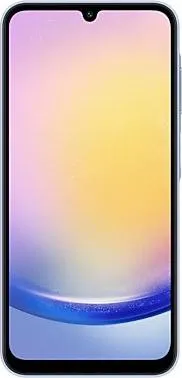
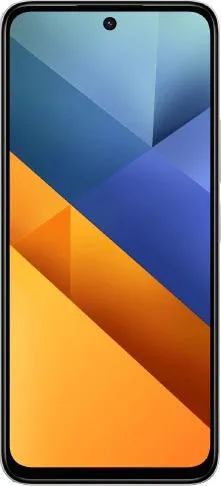
Let's dissect the Samsung Galaxy A25 and Xiaomi Poco M6 4G, two compelling contenders in the mid-range smartphone arena. I'll break down their specs, analyze their real-world implications, and help you decide which phone might be your perfect fit.
1. Specifications Breakdown
| Feature | Samsung Galaxy A25 | Xiaomi Poco M6 4G | Real-World Implications |
|---|---|---|---|
| Design | |||
| Dimensions | 161x76.5x8.3mm | 168.6x76.3x8.3mm | Poco M6 is noticeably taller, potentially less pocketable. Both are equally slim. |
| Weight | 197g | 205g | A25 is slightly lighter, contributing to a more comfortable in-hand feel over extended use. |
| Display | |||
| Size | 6.5" | 6.79" | Poco M6 offers a larger screen for more immersive media consumption but might feel bulky for one-handed use. |
| Type | Super AMOLED, 120Hz | IPS LCD, 90Hz | A25 boasts richer colors, deeper blacks, and smoother scrolling thanks to AMOLED technology and higher refresh rate. |
| Resolution | 1080x2340 | 1080x2460 | Similar pixel density, but Poco M6's slightly taller aspect ratio provides more vertical screen real estate. |
| Performance | |||
| Chipset | Exynos 1280 (5nm) | Helio G91 Ultra (12nm) | A25's 5nm chip promises better power efficiency and potentially smoother performance in demanding tasks. |
| CPU | Octa-core (2x2.4 GHz Cortex-A78 & 6x2.0 GHz Cortex-A55) | Octa-core (2x2.0 GHz Cortex-A75 & 6x1.8 GHz Cortex-A55) | The A25 features more powerful cores likely resulting in faster app loading and multitasking. |
| GPU | Mali-G68 | Mali-G52 MC2 | A25's GPU is expected to deliver significantly better gaming performance and smoother graphics rendering. |
| RAM | 8GB | 8GB | Both phones offer ample RAM for smooth multitasking. |
| Storage | 256GB | 256GB | Both phones have plenty of storage for apps, photos, and videos. |
| Battery | |||
| Capacity | 5000 mAh | 5030 mAh | Negligible difference in battery capacity; real-world battery life will depend more on software optimization. |
| Camera | Information unavailable for detailed comparison but video capabilities indicate better quality on the A25. | ||
| Video | 4K@30fps (EIS), 1080p@30fps (EIS) | 1080p@30fps | The A25 offers 4K video recording and Electronic Image Stabilization (EIS) for smoother footage. |
| Other | |||
| OS | Android 14 | Android 14 | Both run the latest Android version. A25 is likely to get updated longer given Samsung's update track record. |
| NFC | Yes | Yes | Both support contactless payments. |
| Price Range | Medium | Low | Poco M6 offers a more budget-friendly option. |
2. Key Insights
The Samsung Galaxy A25 distinguishes itself with a superior display, a more powerful processor built on a more efficient process, and enhanced video recording capabilities. Its AMOLED screen with a 120Hz refresh rate will be a treat for the eyes, delivering vibrant visuals and incredibly smooth scrolling. The Exynos 1280 chip, built using a 5nm process, should outperform the Poco M6's Helio G91 in both raw power and power efficiency.
The Poco M6 4G counters with a larger display and a slightly larger battery, though the real-world battery life difference is likely to be minimal. Its main advantage is its lower price point, making it a strong value proposition for budget-conscious buyers.
3. User Profiles and Recommendations
Samsung Galaxy A25: Ideal for users who prioritize a premium display, smooth performance, and excellent mobile photography. Gamers, content creators, and those who consume a lot of media will appreciate the A25's capabilities.
Xiaomi Poco M6 4G: Best suited for budget-conscious users who prioritize a large screen and long battery life for everyday tasks like browsing, social media, and communication. It's a solid choice for those seeking a reliable phone without breaking the bank.
4. Buying Decision Framework
What is your budget? If price is a primary concern, the Poco M6 4G offers excellent value.
How important is display quality and performance? If you demand the best visuals and smooth, lag-free performance, the A25's AMOLED display and powerful processor are worth the premium.
What are your primary use cases? Gamers and content creators will lean towards the A25, while casual users focused on basic tasks might find the Poco M6 4G perfectly adequate.
My Choice: Samsung Galaxy A25
While the Poco M6 4G offers compelling value, I would choose the Samsung Galaxy A25. The superior AMOLED display, the more powerful and efficient Exynos 1280 processor, coupled with Samsung's generally better software update track record makes it a more future-proof and enjoyable device to use in the long run. For me, the enhanced user experience offered by the A25 justifies the price difference. The smoother performance, vibrant display, and potential for better camera quality are features I value greatly in a smartphone.
