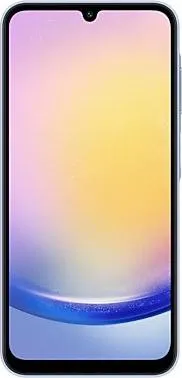
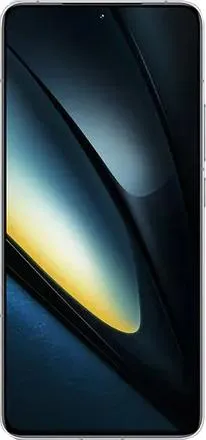
1. Specifications Comparison
| Feature | Samsung Galaxy A25 | Xiaomi Poco F6 Pro | Practical Impact |
|---|---|---|---|
| Design | |||
| Dimensions | 161x76.5x8.3mm | 160.9x75x8.2mm | Negligible size difference; both feel similar in hand. |
| Weight | 197g | 209g | Poco F6 Pro is noticeably heavier, potentially impacting one-handed use. |
| Fingerprint Sensor | Side-mounted | Under-display | Personal preference; both are reliable unlocking methods. |
| Display | |||
| Size | 6.5" | 6.67" | Poco F6 Pro offers a slightly larger viewing area. |
| Type | Super AMOLED, 120Hz | AMOLED, 120Hz | Both offer smooth scrolling and vibrant colors. AMOLED quality can vary, direct comparison is limited without hands-on experience. |
| Resolution | 1080x2340 (FHD+) | 1440x3200 (QHD+) | Significantly sharper visuals on the Poco F6 Pro, especially noticeable for text and images. |
| Peak Brightness | 1000 nits (HBM) | 4000 nits (peak) | Poco F6 Pro offers superior outdoor visibility in direct sunlight. |
| Performance | |||
| Chipset | Exynos 1280 (5nm) | Snapdragon 8 Gen 2 (4nm) | Snapdragon 8 Gen 2 provides significantly faster performance, better gaming, and smoother multitasking. |
| CPU | Octa-core (2x2.4 GHz A78 & 6x2.0 GHz A55) | Octa-core (1x3.2 GHz X3 & ...) | More powerful and efficient CPU in the Poco F6 Pro leading to faster app loading, smoother performance, and better battery life under heavy load. |
| GPU | Mali-G68 | Adreno 740 | Adreno 740 offers a substantial leap in graphics performance, crucial for demanding games and graphic-intensive tasks. |
| RAM/Storage | 256GB/8GB | 512GB/12GB, 1TB/16GB | Poco F6 Pro offers more RAM and storage options for smoother multitasking and ample space for files and apps. |
| Camera | |||
| Video Capabilities | 4K@30fps (EIS), 1080p@30fps (EIS) | 8K@24fps, 4K@60fps (EIS), up to 960fps slow-mo | Poco F6 Pro boasts significantly better video recording capabilities with higher resolution, frame rates, and slow-motion options. Detailed camera sensor specs are missing for proper image quality comparison. |
| Battery | |||
| Capacity | 5000 mAh | 5000 mAh | Similar battery capacity; real-world battery life depends on usage and optimization, influenced by the more efficient chip in the Poco F6 Pro. |
2. Key Differences Analysis
Samsung Galaxy A25 Advantages:
- Potentially Lower Price: While both are mid-range, the A25 might be more budget-friendly.
- Lighter Weight: More comfortable for extended one-handed use.
Xiaomi Poco F6 Pro Advantages:
- Significantly Superior Performance: Snapdragon 8 Gen 2 offers a massive performance advantage for demanding tasks and gaming.
- Sharper Display: QHD+ resolution provides much clearer visuals.
- Brighter Display: Better visibility in sunlight.
- More RAM and Storage: Smoother multitasking and ample storage space.
- Superior Video Recording: More versatile and high-quality video capabilities.
Trade-offs:
- Poco F6 Pro: Higher price, heavier weight.
- Galaxy A25: Lower performance, less sharp display, limited video capabilities.
3. User Profiles & Recommendations
Samsung Galaxy A25: Suitable for budget-conscious users with basic needs like web browsing, social media, and casual photography. Good for users prioritizing a lighter phone.
Xiaomi Poco F6 Pro: Ideal for power users, mobile gamers, and content creators who demand top-tier performance, a great display, and advanced video recording features.
4. Decision Framework
Key Questions:
- What is your budget? The Poco F6 Pro will likely be more expensive.
- What are your primary use cases? Gaming, content creation, or basic everyday tasks?
- Do you prioritize performance, display quality, or affordability?
My Choice: Xiaomi Poco F6 Pro
While lacking specific camera sensor details hinders a full comparison, the Xiaomi Poco F6 Pro is the clear winner for me. The Snapdragon 8 Gen 2 offers a significant performance leap that dramatically improves the overall user experience for demanding tasks, gaming, and future-proofing. The sharper and brighter display enhances media consumption, and the superior video recording capabilities offer greater creative flexibility. The extra weight is a minor trade-off for the substantial performance and feature upgrades. While price is a factor, the Poco F6 Pro's superior feature set justifies the likely higher cost for my needs. If budget is extremely tight, the A25 offers a decent baseline experience, but the Poco F6 Pro provides a far more compelling and future-proof package.
