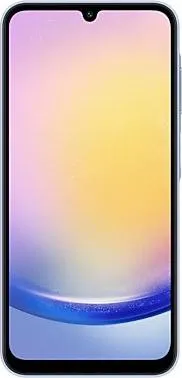
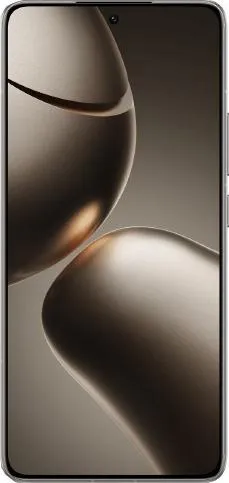
1. Specifications Comparison
| Feature | Samsung Galaxy A25 | Xiaomi 14T Pro | Practical Impact |
|---|---|---|---|
| Design | |||
| Dimensions | 161x76.5x8.3mm | 160.4x75.1x8.4mm | Negligibly different in size and feel. |
| Weight | 197g | 209g | Xiaomi is noticeably heavier, potentially impacting one-handed use. |
| Fingerprint Sensor | Side-mounted | Under-display | Personal preference; both are reliable unlocking methods. |
| Display | |||
| Size | 6.5" | 6.67" | Xiaomi offers a slightly larger screen for more immersive content consumption. |
| Type | Super AMOLED, 120Hz | AMOLED, 144Hz | Both offer vibrant colors and smooth scrolling; Xiaomi's higher refresh rate might be noticeable in fast-paced games. |
| Resolution | 1080x2340 | 1220x2712 | Xiaomi has a sharper display with higher pixel density, resulting in crisper images and text. |
| Peak Brightness | 1000 nits (HBM) | 4000 nits (peak) | Xiaomi's significantly higher peak brightness ensures excellent outdoor visibility even in direct sunlight. |
| Performance | |||
| Chipset | Exynos 1280 (5 nm) | Mediatek Dimensity 9300+ (4 nm) | Xiaomi's more advanced chipset and smaller process node will likely deliver significantly better performance and efficiency. |
| CPU | Octa-core (2x2.4 GHz Cortex-A78 & 6x2.0 GHz Cortex-A55) | Octa-core (1x3.4 GHz Cortex-X4 & 3x2.85 GHz Cortex-X4 & 4x2.0 GHz Cortex-A720) | Xiaomi's CPU boasts higher clock speeds and a more powerful core architecture, translating to much faster processing for demanding tasks and multitasking. |
| GPU | Mali-G68 | Immortalis-G720 MC12 | Xiaomi's GPU is expected to provide a significant leap in graphics performance, beneficial for gaming and graphically intensive applications. |
| RAM/Storage | 256GB/8GB | 512GB/12GB | Xiaomi offers double the storage and significantly more RAM, enabling smoother multitasking and handling of larger files and apps. |
| Camera | |||
| Video Capabilities | 4K@30fps (EIS) | Up to 8K@30fps (HDR, EIS), 1080p@960fps (HDR, EIS) | Xiaomi offers significantly superior video recording capabilities with higher resolution, frame rates, and slow-motion options. |
| Battery | |||
| Capacity | 5000 mAh | 5000 mAh | Similar battery capacities; real-world battery life will depend on usage and optimization. |
2. Key Differences Analysis
Xiaomi 14T Pro Advantages:
- Significantly superior performance: The Dimensity 9300+ chipset, faster CPU and GPU, and larger RAM offer a major performance advantage for demanding tasks, gaming, and multitasking.
- Brighter and sharper display: Higher peak brightness and resolution result in better outdoor visibility and a more immersive viewing experience.
- Enhanced video recording: 8K recording and high frame rate slow-motion capture provide more versatile video capabilities.
- Larger storage: Double the storage capacity accommodates more apps, photos, and videos.
Samsung Galaxy A25 Advantages:
- Potentially lower price: While both are in the "medium price" range, the A25 might be positioned at a lower price point within that range.
- Lighter weight: Less fatigue during extended use.
3. User Profiles & Recommendations
Xiaomi 14T Pro: Ideal for users who prioritize performance, a high-quality display, and advanced camera features. Suitable for gamers, content creators, power users, and those seeking a premium experience.
Samsung Galaxy A25: Best suited for users who prioritize affordability and a lightweight design for everyday tasks like browsing, social media, and communication.
4. Decision Framework
Key Questions:
- What is your budget? Determine if the price difference between the two phones is significant for you.
- What are your primary smartphone usage patterns? Identify if you require high performance for demanding tasks or prioritize basic functionality.
- Which features are most important to you? Rank the importance of display quality, camera capabilities, performance, and battery life.
My Choice: Xiaomi 14T Pro
While the price might be higher, the Xiaomi 14T Pro offers a substantial upgrade in performance, display, and camera capabilities. The Dimensity 9300+ chipset, coupled with the higher refresh rate display and superior video recording, makes it a future-proof choice. The extra RAM and storage also enhance the user experience significantly. For my usage, which includes gaming, photography, and multitasking, the 14T Pro's advantages outweigh the slightly higher weight and potential price difference. The Samsung A25 is a solid option for budget-conscious buyers, but the 14T Pro offers a significantly more compelling overall package.
