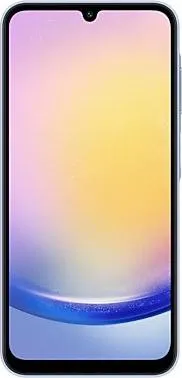
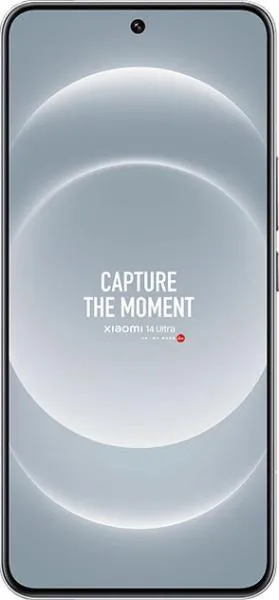
Let's dive into a comparative analysis of the Samsung Galaxy A25 and the Xiaomi 14 Ultra, dissecting their specifications and translating them into real-world implications for you.
1. Specifications Breakdown
| Feature | Samsung Galaxy A25 | Xiaomi 14 Ultra | Real-World Implications | |||||
|---|---|---|---|---|---|---|---|---|
| Design | ||||||||
| Dimensions | 161x76.5x8.3mm | 161.4x75.3x9.2mm | Xiaomi is slightly larger and thicker. Negligible difference in daily handling. | |||||
| Weight | 197g | 229.5g | Xiaomi is noticeably heavier, potentially impacting one-handed use and pocket comfort. | |||||
| Display | ||||||||
| Size | 6.5" | 6.73" | Xiaomi offers a slightly larger screen for more immersive content consumption. | |||||
| Type | Super AMOLED, 120Hz | LTPO AMOLED, 120Hz | Both offer smooth scrolling and vibrant colors. Xiaomi's LTPO allows for dynamic refresh rate, saving battery. | |||||
| Resolution | 1080x2340 | 1440x3200 | Xiaomi boasts significantly sharper visuals due to higher resolution. | |||||
| Peak Brightness | 1000 nits | 3000 nits | Xiaomi's display is dramatically brighter, ensuring excellent outdoor visibility. | |||||
| Performance | ||||||||
| Chipset | Exynos 1280 (5nm) | Snapdragon 8 Gen 3 (4nm) | Xiaomi significantly outperforms in processing power, enabling smoother multitasking and gaming. | |||||
| CPU | Octa-core | Octa-core | Xiaomi's newer and more powerful CPU architecture delivers superior performance. | |||||
| GPU | Mali-G68 | Adreno 750 | Xiaomi's GPU offers a substantial leap in graphics performance for demanding games and applications. | |||||
| RAM | 8GB | 16GB | Double the RAM in Xiaomi allows for more apps to run in the background without performance slowdown. | |||||
| Storage | 256GB | 512GB | Xiaomi provides double the storage capacity. | |||||
| Camera | Xiaomi vastly outperforms with 8K video recording, advanced stabilization, and likely superior sensor technology. | Battery Life | ||||||
| Capacity | 5000mAh | 5000mAh | Similar battery capacities. However, Xiaomi's more efficient display and processor could result in longer real-world usage. |
2. Key Insights
The Xiaomi 14 Ultra is a clear flagship contender, boasting a superior display, significantly more powerful performance, and advanced camera capabilities. The Samsung Galaxy A25, while offering a solid 120Hz AMOLED display and respectable battery life, falls behind in processing power, screen resolution, and camera technology.
Xiaomi Advantages: Superior performance, brighter and sharper display, vastly improved camera features, more RAM and storage. Samsung Advantages: Lighter and potentially more affordable.
3. User Profiles and Recommendations
Samsung Galaxy A25: Best suited for budget-conscious users who prioritize a smooth display and reliable battery life for everyday tasks like web browsing, social media, and casual gaming.
Xiaomi 14 Ultra: Ideal for power users, mobile photographers/videographers, and gamers who demand top-tier performance, a stunning display, and cutting-edge camera technology.
4. Buying Decision Framework
- What is your budget? The A25 will likely be significantly more affordable.
- What are your primary smartphone uses? For everyday tasks, the A25 is sufficient. For demanding applications and media creation, the 14 Ultra excels.
- How important are camera capabilities and display quality? The 14 Ultra sets a high bar in these areas.
My Choice: Xiaomi 14 Ultra
While I appreciate the value proposition of the Samsung Galaxy A25, the Xiaomi 14 Ultra's significant performance advantage, stunning display, and cutting-edge camera technology are compelling. As someone who frequently multitasks, consumes media, and appreciates capturing high-quality photos and videos, the 14 Ultra aligns perfectly with my needs. The extra weight is a minor trade-off for the substantial leap in overall capabilities. The larger storage and RAM ensure a future-proof device capable of handling demanding tasks for years to come. Even if the price is higher, the 14 Ultra offers a superior long-term value proposition for my usage pattern.
