1. Specifications Comparison
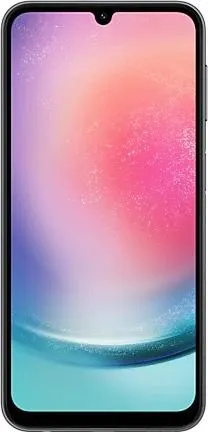
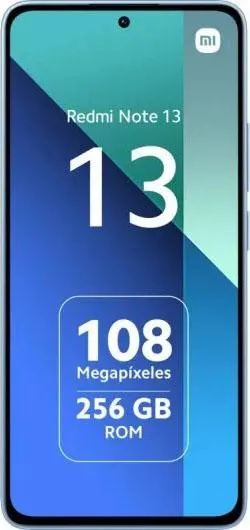
| Feature | Samsung Galaxy A24 4G | Xiaomi Redmi Note 13 4G | Practical Impact |
|---|---|---|---|
| Design | |||
| Dimensions (mm) | 162.1 x 77.6 x 8.3 | 162.3 x 75.6 x 8.0 | Redmi Note 13 is slightly taller and narrower, but negligibly thinner. Virtually identical in hand. |
| Weight (g) | 195 | 188.5 | Redmi Note 13 is slightly lighter, but the difference (6.5g) is unlikely to be noticeable. |
| Fingerprint Sensor | Side-mounted | Under-display | Preference-based. Under-display is modern, side-mounted can be faster and easier to reach for some. |
| Display | |||
| Size (inches) | 6.5 | 6.67 | Redmi Note 13 offers slightly more screen real estate. |
| Resolution | 1080 x 2340 | 1080 x 2400 | Both are sharp enough for everyday use. Redmi has a slightly taller aspect ratio. |
| Type | Super AMOLED, 90Hz | AMOLED, 120Hz | Redmi Note 13's 120Hz display will provide smoother scrolling and animations. Samsung uses Super AMOLED which potentially offers better colors and contrast, but we lack specific color depth data to confirm. Redmi's higher peak brightness (1800 nits vs 1000 nits) will make it significantly more readable in direct sunlight. |
| Performance | |||
| Chipset | Mediatek Helio G99 (6nm) | Qualcomm Snapdragon 685 (6nm) | Both are mid-range chipsets. Snapdragon 685 generally offers better CPU performance in benchmarks, while Helio G99 sometimes edges out in GPU tasks. Real-world difference likely minimal for average users. |
| CPU | Octa-core (2x2.2 GHz A76 & 6x2.0 GHz A55) | Octa-core (4x2.8 GHz A73 & 4x1.9 GHz A53) | Redmi Note 13's CPU architecture and higher clock speeds suggest better multi-core performance. |
| GPU | Mali-G57 MC2 | Adreno 610 | Adreno 610 typically performs better in gaming and graphics-intensive tasks. |
| RAM | 6GB | 8GB | Redmi Note 13 has more RAM, enabling better multitasking and smoother performance with multiple apps open. |
| Camera | |||
| Main Camera | 50MP | 108MP | Redmi Note 13 boasts a higher resolution main sensor. However, megapixel count doesn't guarantee better image quality. We lack sensor size and pixel size data for the A24 to make a detailed comparison. Redmi provides more detailed sensor specs. |
| Video Recording | 1080p@30fps with EIS | 1080p@30fps | Both offer basic video recording. Samsung includes Electronic Image Stabilization (EIS) for smoother footage. |
| Battery | |||
| Capacity | 5000 mAh | 5000 mAh | Identical battery capacities. Real-world battery life will depend on usage patterns and software optimization. |
2. Key Differences Analysis
Samsung Galaxy A24 4G Advantages:
- Potentially Better Display Quality: Super AMOLED generally offers richer colors and deeper blacks compared to standard AMOLED. However, without concrete data on color depth and coverage, this is speculative.
- Electronic Image Stabilization (EIS): Offers smoother video recording.
Xiaomi Redmi Note 13 4G Advantages:
- Higher Refresh Rate Display: 120Hz refresh rate delivers smoother scrolling and a more responsive user experience.
- More Powerful CPU and GPU: Better performance for demanding tasks and potentially gaming.
- Higher Resolution Main Camera: Potentially more detailed photos, though image quality depends on multiple factors beyond resolution. More detailed sensor information available allows for better technical analysis.
- More RAM: Enables smoother multitasking and handles more demanding applications better.
- Brighter Display: Significantly more visible in direct sunlight.
3. User Profiles & Recommendations
Samsung Galaxy A24 4G: Suitable for users who prioritize a potentially superior display in terms of color and contrast over refresh rate and peak brightness, and require stable video recording. Budget-conscious users who mainly use their phones for basic tasks like calling, texting, social media, and light web browsing will find this phone adequate.
Xiaomi Redmi Note 13 4G: Better suited for users who prioritize smoother performance, a more responsive display, and a higher resolution camera. Gamers, multitaskers, and those who consume a lot of media will appreciate the higher refresh rate, powerful processor, and larger RAM. Users who prioritize outdoor visibility will also benefit from the significantly brighter display.
4. Decision Framework
Key Questions for Buyers:
- What is your budget? While both are mid-range, slight price differences may exist.
- What are your primary phone usage patterns? (e.g., gaming, media consumption, basic communication)
- Which display characteristics matter most? (e.g., refresh rate, color accuracy, brightness)
My Choice: Xiaomi Redmi Note 13 4G
While lacking specific data on color depth leaves some uncertainty about display quality, the Redmi Note 13 4G offers a compelling package. The 120Hz display, more powerful processor with higher RAM, brighter screen for outdoor use, and higher resolution main camera outweigh the potential benefits of the A24's Super AMOLED display and EIS. The Redmi Note 13 4G seems to provide a more future-proof and versatile experience for a similar price. The more detailed technical information available for the Redmi Note 13 also contributes to my confidence in its capabilities.
