1. Specifications Comparison
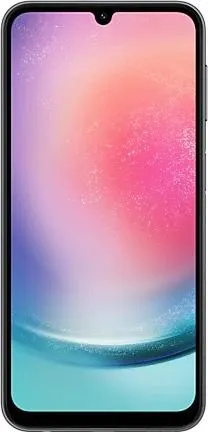
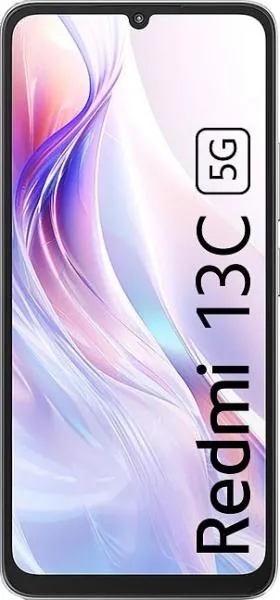
| Feature | Samsung Galaxy A24 4G | Xiaomi Redmi 13C 5G | Practical Impact |
|---|---|---|---|
| Design | |||
| Dimensions (mm) | 162.1 x 77.6 x 8.3 | 168 x 78 x 8.1 | Redmi 13C is slightly larger and thicker. |
| Weight (g) | 195 | 192 | Negligible weight difference. |
| Build Material | Not specified | Not specified | Cannot compare build quality. |
| Display | |||
| Display Type | Super AMOLED | IPS LCD | A24 offers more vibrant colors, deeper blacks, and better power efficiency. Redmi 13C might be slightly better in direct sunlight. |
| Display Size (inches) | 6.5 | 6.74 | Redmi 13C has a larger screen, better for media consumption. |
| Resolution | 1080 x 2340 | 720 x 1600 | A24 has a significantly sharper display. |
| Refresh Rate (Hz) | 90 | 90 | Both offer smooth scrolling and animations. |
| PPI | 396 | 260 | A24's display is much sharper, resulting in clearer text and images. |
| Peak Brightness (nits) | 1000 | 450 (typ), 600 (HBM) | A24 is significantly brighter, improving outdoor visibility. |
| Performance | |||
| Chipset | Mediatek Helio G99 (6nm) | Mediatek Dimensity 6100+ (6nm) | Dimensity 6100+ generally offers better performance and 5G connectivity. |
| CPU | Octa-core (2x2.2 GHz A76 & 6x2.0 GHz A55) | Octa-core (2x2.2 GHz A76 & 6x2.0 GHz A55) | Similar CPU core configurations, but architectural differences in the chipsets might lead to performance variations. |
| GPU | Mali-G57 MC2 | Mali-G57 MC2 | Similar GPUs, but performance may vary due to chipset differences. |
| RAM | 6GB | 4/6/8GB (variant dependent) | More RAM in certain Redmi 13C variants enables better multitasking. |
| Camera | |||
| Rear Camera (MP) | 50MP (Main) + 5MP (Wide) + 2MP (Macro) | 50MP (Main) + 0.8MP (Depth) | A24 has a dedicated wide-angle lens; Redmi 13C has a low-resolution depth sensor. Practical impact depends on usage. |
| Front Camera (MP) | 13MP | 5MP | A24 boasts a higher resolution selfie camera. |
| Video Recording | 1080p@30fps | 1080p@30fps | Similar video recording capabilities on paper, but actual quality might differ. |
| Battery | |||
| Capacity (mAh) | 5000 | 5000 | Similar battery capacities, expected similar battery life depending on usage. |
| Other | |||
| NFC | Yes | No | A24 supports contactless payments and data transfer. |
| 5G | No | Yes | Redmi 13C offers faster cellular data speeds where available. |
| OS | Android 13 | Android 13 | Both run on the latest Android version. |
2. Key Differences Analysis
Samsung Galaxy A24 4G Advantages:
- Superior Display: AMOLED technology provides vibrant colors and deeper blacks, resulting in a more enjoyable viewing experience. Higher resolution and brightness further enhance the display quality.
- NFC: Enables contactless payments and data transfer.
- Versatile Camera System: Includes a dedicated wide-angle lens for broader shots.
Xiaomi Redmi 13C 5G Advantages:
- 5G Connectivity: Offers significantly faster data speeds in areas with 5G coverage.
- Larger Display: Provides a more immersive experience for media consumption and gaming.
- Potentially Lower Price: Depending on the variant, Redmi 13C might offer a better price-to-performance ratio.
3. User Profiles & Recommendations
Samsung Galaxy A24 4G: Suitable for users who prioritize display quality, require NFC for contactless payments, and value a versatile camera system. Ideal use cases include media consumption, casual gaming, and mobile photography.
Xiaomi Redmi 13C 5G: Best suited for users who prioritize 5G connectivity and a large display for media consumption. Good for users who need a large screen on a budget and are in a 5G coverage area.
4. Decision Framework
Key Questions for Buyers:
- Is 5G connectivity crucial? If yes, Redmi 13C is the only option.
- How important is display quality? If display quality is paramount, A24's AMOLED screen is superior.
- What is your budget? Compare prices for specific RAM/storage configurations to determine the best value.
Scenario-Based Recommendations:
- Heavy data user in a 5G area: Redmi 13C
- User who prioritizes media consumption and vibrant visuals: A24
- Budget-conscious user who needs a reliable phone with good battery life: Either phone could be suitable, depending on specific pricing and variant.
My Choice: Samsung Galaxy A24
While the Redmi 13C offers 5G and a larger display, the significantly better display quality of the A24, coupled with NFC functionality, makes it a more compelling choice for me. I prioritize a sharp, vibrant screen for everyday use and value the convenience of contactless payments. The slightly smaller size is not a major concern for me, and I'm willing to forgo 5G for the superior overall experience offered by the A24. The lack of clear camera sensor details for the Redmi 13C also makes it difficult to properly assess its camera quality. The A24's camera specifications, while not top-of-the-line, seem more reliable based on the provided data.
