1. Specifications Comparison
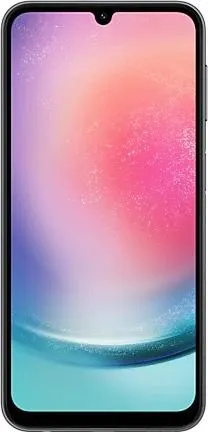
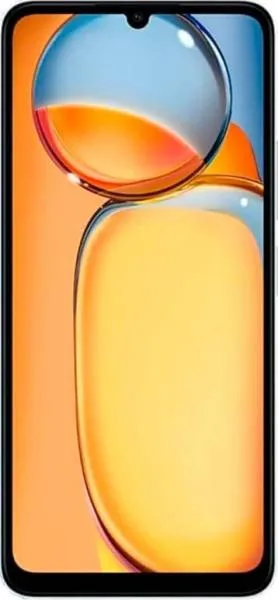
| Feature | Samsung Galaxy A24 4G | Xiaomi Redmi 13C | Practical Impact |
|---|---|---|---|
| Design | |||
| Dimensions (mm) | 162.1 x 77.6 x 8.3 | 168 x 78 x 8.1 | Redmi 13C is slightly larger and thicker. |
| Weight (g) | 195 | 192 | Negligible weight difference. |
| Build | Not specified | Not specified | Build quality impact unknown. |
| Display | |||
| Display Type | Super AMOLED, 90Hz | IPS LCD, 90Hz | A24 offers vibrant colors and deeper blacks due to AMOLED. Redmi 13C might have better visibility in direct sunlight. |
| Display Size (inches) | 6.5 | 6.74 | Redmi 13C has a slightly larger screen for media consumption. |
| Resolution | 1080 x 2340 | 720 x 1600 | A24 has a significantly sharper display (396 ppi vs 260 ppi), resulting in clearer text and images. |
| Refresh Rate (Hz) | 90 | 90 | Both offer smooth scrolling and animations. |
| Peak Brightness (nits) | 1000 | 450 (typ), 600 (HBM) | A24's display will be much brighter outdoors. |
| Performance | |||
| Chipset | Mediatek Helio G99 (6nm) | Mediatek Helio G85 (12nm) | A24's G99 is built on a smaller node (6nm vs 12nm), implying better power efficiency and potentially better performance. |
| CPU | Octa-core (2x2.2 GHz Cortex-A76 & 6x2.0 GHz Cortex-A55) | Octa-core (2x2.0 GHz Cortex-A75 & 6x1.8 GHz Cortex-A55) | A24 likely offers better performance with faster prime cores. |
| GPU | Mali-G57 MC2 | Mali-G52 MC2 | A24's GPU is newer and more powerful, potentially enabling smoother gaming and faster graphics rendering. |
| RAM (GB) | 6 | 4/6/8 (Dependent on version) | A24's 6GB RAM should provide smooth multitasking. Redmi 13C offers multiple RAM configurations, providing flexibility. |
| Camera | |||
| Main Camera (MP) | 50 | 50 | Resolution is similar, but image quality will depend on sensor and processing. |
| Other Cameras | 5MP Ultrawide, 2MP Macro | 2MP Macro, 0.8MP unspecified | A24 offers an ultrawide lens for wider shots, while Redmi 13C's third camera's purpose is unclear. |
| Video Recording | 1080p@30fps with EIS | 1080p@30fps | Similar video resolution, but A24 offers Electronic Image Stabilization (EIS) for smoother videos. |
| Battery | |||
| Capacity (mAh) | 5000 | 5000 | Similar battery capacity, actual battery life will depend on usage and efficiency. |
2. Key Differences Analysis
Samsung Galaxy A24 4G Advantages:
- Superior Display: AMOLED technology delivers vibrant colors and deeper blacks. Higher resolution provides sharper visuals. Significantly brighter display for outdoor visibility.
- Better Performance: More powerful and efficient chipset (Helio G99). More powerful GPU.
- Ultrawide Camera: Offers wider field of view for landscape and group photos.
- Video Stabilization: EIS for smoother video recording.
Xiaomi Redmi 13C Advantages:
- Larger Display: Slightly larger screen size for media consumption.
- Lower Price: Positioned in a lower price range.
- More RAM Options: Offers configurations with up to 8GB RAM for potentially better multitasking.
Trade-offs:
- Redmi 13C: Sacrifices display quality and performance for a lower price.
- A24: Higher price for better display and performance.
3. User Profiles & Recommendations
Samsung Galaxy A24 4G: Suitable for users who prioritize display quality, performance, and camera versatility. Ideal for:
- Multimedia Consumption: Watching videos, browsing photos.
- Mobile Gaming: Playing graphically demanding games.
- Photography Enthusiasts: Capturing high-quality photos and videos.
Xiaomi Redmi 13C: Suitable for budget-conscious users who prioritize basic functionality and a large screen. Ideal for:
- Casual Users: Primarily using social media, browsing the web, and making calls.
- Students: Needing a large screen for reading documents and note-taking.
4. Decision Framework
Key Questions:
- What is your budget? Redmi 13C is significantly cheaper.
- How important is display quality and performance? A24 excels in these areas.
- What are your primary use cases? Consider whether you need a high-performance device or a basic smartphone.
My Choice: Samsung Galaxy A24 4G
While the Redmi 13C offers a compelling price, the Samsung Galaxy A24 4G's superior display, performance, and camera versatility make it the better overall device for my needs. The significantly sharper and brighter AMOLED display, along with the more powerful processor and GPU, would provide a noticeably better user experience. The addition of an ultrawide lens and EIS further enhances its value proposition. While the Redmi 13C might be sufficient for basic tasks, I prioritize a smooth and enjoyable user experience, making the A24 a worthwhile investment despite the higher price.
