1. Specifications Comparison
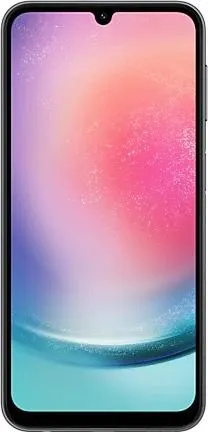
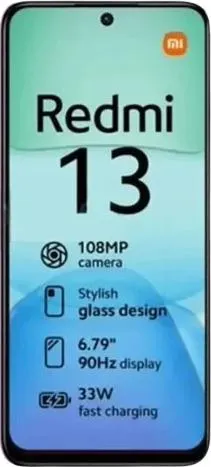
| Feature | Samsung Galaxy A24 4G | Xiaomi Redmi 13 | Practical Impact | |
|---|---|---|---|---|
| Design | ||||
| Dimensions (mm) | 162.1 x 77.6 x 8.3 | 168.6 x 76.3 x 8.3 | Redmi 13 is taller and slightly wider. A24 might be more pocketable. | |
| Weight (g) | 195 | 205 | A24 is noticeably lighter, reducing hand fatigue during extended use. | |
| Display | ||||
| Display Type | Super AMOLED, 90Hz | IPS LCD, 90Hz | A24 offers deeper blacks, more vibrant colors, and better outdoor visibility due to AMOLED technology. | |
| Display Size | 6.5" | 6.79" | Redmi 13 provides a larger screen for media consumption and multitasking but may be less comfortable for one-handed use. | |
| Resolution | 1080 x 2340 | 1080 x 2460 | Similar pixel density due to different screen sizes; sharpness should be comparable. | |
| Peak Brightness | 1000 nits | 550 nits (typical) | A24's significantly higher peak brightness ensures superior readability in direct sunlight. | |
| Performance | ||||
| Chipset | Mediatek Helio G99 (6nm) | Mediatek Helio G91 Ultra (12nm) | While G91 has a higher clock speed on performance cores, G99 is built on a smaller node (6nm), potentially offering better power efficiency and slightly improved performance overall. More real-world benchmarks needed for conclusive comparison. | |
| CPU | Octa-core (2x2.2 GHz A76 & 6x2.0 GHz A55) | Octa-core (2x2.0 GHz A75 & 6x1.8 GHz A55) | A24 might have a slight edge in CPU performance due to the faster Cortex-A76 cores. | |
| GPU | Mali-G57 MC2 | Mali-G52 MC2 | G57 generally offers better graphical performance than G52, potentially leading to smoother gaming on the A24. | |
| RAM | 6GB (as tested) | 8GB (as tested) | Redmi 13's larger RAM allows for better multitasking and app switching, minimizing the need to reload apps frequently. | |
| Camera | ||||
| Main Camera | 50MP | 108MP | Redmi 13 boasts a higher megapixel count, potentially capturing more detail. However, image quality depends on factors beyond resolution, like sensor size and processing, which are not fully specified. | |
| Video Recording | 1080p@30fps | 1080p@30fps | Similar video recording capabilities. | |
| Battery | ||||
| Capacity | 5000 mAh | 5030 mAh | Negligible difference in battery capacity; real-world battery life will depend more on software optimization and usage patterns. |
2. Key Differences Analysis
Samsung Galaxy A24 4G Advantages:
- Superior Display: AMOLED technology provides vibrant colors, deeper blacks, and better sunlight visibility.
- Potentially Better Performance: More efficient chipset and slightly faster CPU cores may result in a smoother overall experience.
- Lighter and More Compact: Easier to handle and carry.
Xiaomi Redmi 13 Advantages:
- Larger Display: More screen real estate for media and multitasking.
- More RAM: Smoother multitasking and less frequent app reloading.
- Higher Resolution Main Camera: Potentially more detailed photos, although other factors significantly impact image quality.
- Lower Price: Offers a more budget-friendly option.
3. User Profiles & Recommendations
Samsung Galaxy A24 4G: Users who prioritize display quality, portability, and a smooth user experience, and are willing to pay a bit more for it. Ideal for:
- Media consumption: Vibrant AMOLED screen enhances movies and photos.
- One-handed use: Compact form factor is easier to manage.
- Outdoor use: Bright display ensures readability in sunlight.
Xiaomi Redmi 13: Users seeking a large screen, ample RAM for multitasking, and a budget-friendly option. Ideal for:
- Multitasking: Larger RAM handles multiple apps efficiently.
- Budget-conscious buyers: Offers excellent value for its price.
4. Decision Framework
Key Questions for Buyers:
- How important is display quality? Prioritize A24 if vibrant colors and deep blacks are crucial.
- What is your budget? Redmi 13 offers a more affordable option.
- Do you prioritize a large screen or portability? Choose Redmi 13 for a larger display, A24 for a more compact design.
My Choice: Samsung Galaxy A24 4G
While the Redmi 13 offers a compelling price-to-performance ratio, the Samsung Galaxy A24 4G's superior AMOLED display, lighter weight, and potentially more efficient chipset are decisive factors for me. I value a vibrant and easily readable screen, especially outdoors. The slightly smaller size and lighter weight also contribute to a more comfortable user experience for everyday use. While the Redmi 13 boasts a higher resolution camera and more RAM, the practical benefits of these advantages are less significant to me compared to the A24's strengths in display and overall user experience. The slightly higher price of the A24 is justified by these advantages in my personal use case.
