1. Specifications Comparison
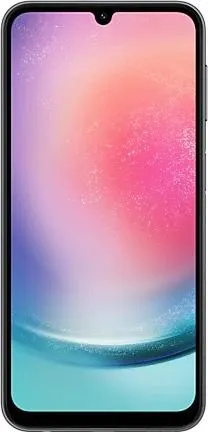
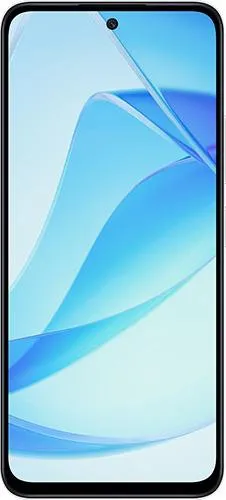
| Feature | Samsung Galaxy A24 4G | Xiaomi Redmi 12 5G | Practical Impact |
|---|---|---|---|
| Design | |||
| Dimensions (mm) | 162.1 x 77.6 x 8.3 | 168.6 x 76.3 x 8.2 | Redmi 12 5G is slightly larger and taller. |
| Weight (g) | 195 | 199 | Negligible weight difference in practical use. |
| Build | Unspecified | Unspecified | Build quality and material differences cannot be determined. |
| Display | |||
| Display Type | Super AMOLED | IPS LCD | A24 offers more vibrant colors and deeper blacks due to AMOLED technology. Redmi 12 might offer better visibility in direct sunlight. |
| Display Size | 6.5" | 6.79" | Redmi 12 provides a larger screen for media consumption and multitasking. |
| Resolution | 1080 x 2340 | 1080 x 2460 | Similar sharpness due to nearly identical PPI, but Redmi 12's slightly taller aspect ratio may be better for scrolling. |
| Refresh Rate | 90Hz | 90Hz | Both offer smooth scrolling and animations. |
| Peak Brightness | 1000 nits | Unspecified | A24 likely offers better visibility outdoors in bright conditions due to higher peak brightness. |
| Performance | |||
| Chipset | Mediatek Helio G99 (6nm) | Qualcomm Snapdragon 4 Gen 2 (4nm) | Snapdragon 4 Gen 2, despite being newer and built on a smaller process, benchmarks slightly lower than the Helio G99, but might have better power efficiency. Real-world performance differences may be minor for average users. |
| CPU | Octa-core (2x2.2 GHz Cortex-A76 & 6x2.0 GHz Cortex-A55) | Octa-core (2x2.2 GHz Cortex-A78 & 6x1.95 GHz Cortex-A55) | Redmi 12 utilizes slightly newer CPU cores (Cortex-A78 vs A76) which might offer a slight performance advantage. |
| GPU | Mali-G57 MC2 | Adreno 613 | Adreno 613 generally performs better in graphics-intensive tasks like gaming compared to the Mali-G57 MC2. |
| RAM | 6GB | Varies (4GB/6GB/8GB) | RAM options affect multitasking; more RAM handles more apps smoothly. |
| Camera | |||
| Main Camera | 50MP | 50MP | Similar megapixel count doesn't guarantee image quality equivalence. Sensor details and image processing significantly impact results. |
| Other Cameras | 5MP Ultrawide, 2MP Macro | 2MP Depth | A24 offers a more versatile camera setup with an ultrawide lens. |
| Video Recording | 1080p@30fps | 1080p@30fps | Similar video recording capabilities. |
| Battery | |||
| Capacity | 5000 mAh | 5000 mAh | Similar battery capacity suggests comparable battery life, but actual usage will depend on software optimization and individual usage patterns. |
| Charging Speed | Unspecified | Unspecified | Charging speed comparison is not possible without specific data. |
| Other | |||
| NFC | True | False | A24 supports contactless payments and data transfer via NFC, Redmi 12 does not. |
| 5G | False | True | Redmi 12 offers faster cellular data speeds where 5G is available. |
| OS Updates | Up to Android 17 | Up to Android 14 | A24 benefits from longer software support, receiving more OS and security updates. |
2. Key Differences Analysis
Samsung Galaxy A24 4G Advantages:
- Superior Display: AMOLED technology offers vibrant colors and deep blacks. Higher peak brightness ensures better outdoor visibility.
- More Versatile Camera: Includes an ultrawide lens for broader shots.
- NFC Support: Enables contactless payments and data transfer.
- Longer Software Support: Guaranteed updates to Android 17.
Xiaomi Redmi 12 5G Advantages:
- Larger Display: Provides a more immersive experience for media consumption.
- 5G Connectivity: Offers faster data speeds in areas with 5G coverage.
- Potentially Better GPU: Adreno 613 may offer a smoother gaming experience.
- Lower Price: Generally more affordable than the A24.
Trade-offs:
- A24 sacrifices 5G connectivity for a better display and longer software updates.
- Redmi 12 compromises on display quality, NFC, and software update longevity for 5G and a lower price.
3. User Profiles & Recommendations
Samsung Galaxy A24 4G:
- Ideal User: Users who prioritize display quality, camera versatility, NFC functionality, and long-term software updates. Users who don't require 5G or are in areas without 5G coverage.
- Use Cases: Photography enthusiasts, users who frequently use contactless payments, individuals who value software updates and security.
Xiaomi Redmi 12 5G:
- Ideal User: Budget-conscious users who prioritize 5G connectivity and a large display. Users who primarily use their phone for basic tasks, social media, and media consumption.
- Use Cases: Users in areas with good 5G coverage, those who stream a lot of video content, budget-minded buyers.
4. Decision Framework
Key Questions for Buyers:
- Is 5G connectivity crucial? If yes, Redmi 12 5G is the only option.
- How important is display quality? If vibrant colors and deep blacks are preferred, the A24's AMOLED screen is superior.
- What is your budget? The Redmi 12 5G generally offers a lower price point.
My Choice: Samsung Galaxy A24 4G
While the Redmi 12 5G offers 5G and a larger display, the A24's superior AMOLED display, longer software support, and NFC functionality are more important to me. I value a vibrant viewing experience, the peace of mind that comes with extended software updates, and the convenience of contactless payments. The slightly higher price is justified by these advantages. While I don't have a pressing need for 5G at this time, the A24's overall package makes it the better choice for my needs.
