1. Specifications Comparison
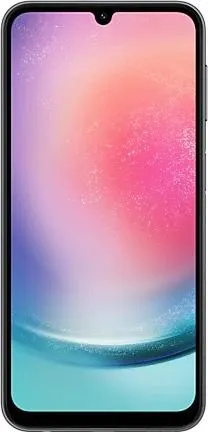
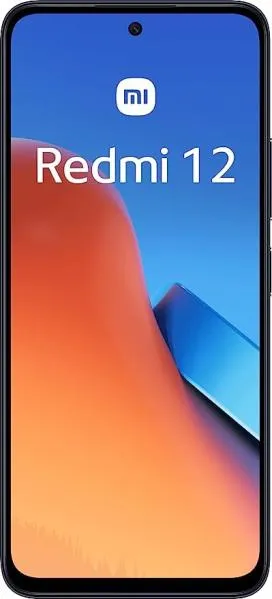
| Feature | Samsung Galaxy A24 4G | Xiaomi Redmi 12 | Practical Impact |
|---|---|---|---|
| Design | |||
| Dimensions (mm) | 162.1 x 77.6 x 8.3 | 168.6 x 76.3 x 8.2 | Redmi 12 is slightly larger and heavier. A24 might be more pocketable. |
| Weight (g) | 195 | 198.5 | Negligible weight difference in real-world usage. |
| Display | |||
| Display Type | Super AMOLED | IPS LCD | A24 offers deeper blacks, more vibrant colors, and better power efficiency due to AMOLED technology. Redmi 12's LCD might be brighter outdoors. |
| Display Size (inches) | 6.5 | 6.79 | Redmi 12 has a noticeably larger screen, better for media consumption but potentially less one-hand friendly. |
| Refresh Rate (Hz) | 90 | 90 | Both offer smooth scrolling and animations. |
| Peak Brightness (nits) | 1000 | 550 (unverified) | A24's significantly higher peak brightness ensures better visibility in direct sunlight. |
| Performance | |||
| Chipset | Mediatek Helio G99 (6nm) | Mediatek Helio G88 (12nm) | A24's more efficient 6nm chipset should result in better battery life and slightly improved performance. |
| CPU | Octa-core (2x2.2 GHz Cortex-A76 & 6x2.0 GHz Cortex-A55) | Octa-core (2x2.0 GHz Cortex-A75 & 6x1.8 GHz Cortex-A55) | A24 likely has a performance advantage due to faster core speeds and architecture. Noticeable in demanding tasks and gaming. |
| GPU | Mali-G57 MC2 | Mali-G52 MC2 | A24's GPU should provide smoother gaming and graphics performance. |
| RAM (GB) | 6/8 | 4/6/8 | RAM options vary. More RAM improves multitasking and app loading speed. |
| Camera | |||
| Main Camera (MP) | 50 | 50 | Comparable resolution; however, sensor quality and image processing significantly impact final image quality which cannot be determined from this data. Redmi 12 provides more sensor details. |
| Ultrawide (MP) | 5 | 8 | Redmi 12 offers a higher resolution ultrawide, potentially capturing more detail. |
| Video Recording | 1080p@30fps | 1080p@30fps | Similar video resolution. Redmi 12 lists 4K video in "Features" but not in primary video capabilities; clarification needed. |
| Battery | |||
| Capacity (mAh) | 5000 | 5000 | Similar battery capacities. Actual battery life depends on usage and chipset efficiency. |
2. Key Differences Analysis
Samsung Galaxy A24 4G Advantages:
- Superior Display: AMOLED technology offers richer colors, deeper blacks, and better power efficiency. Higher peak brightness is crucial for outdoor visibility.
- Better Performance: More advanced and efficient chipset should translate to smoother multitasking, better gaming, and improved battery life.
Xiaomi Redmi 12 Advantages:
- Larger Display: Provides a more immersive experience for media consumption.
- Potentially Lower Price: Depending on configuration, the Redmi 12 might offer a lower entry price. More RAM and storage options.
Trade-offs:
- A24: Smaller display might be less ideal for media consumption. Potentially higher price.
- Redmi 12: LCD display is less vibrant and power-efficient. Performance might be less smooth for demanding tasks.
3. User Profiles & Recommendations
Samsung Galaxy A24 4G: Users who prioritize display quality, battery life, and overall performance for everyday tasks and moderate gaming. Suitable for those who prefer a more compact phone.
Xiaomi Redmi 12: Users who prioritize a large screen for media consumption and value affordability. Suitable for light users who don't require peak performance.
4. Decision Framework
Key Questions for Buyers:
- Display Priority: Is a vibrant and bright display with deeper blacks crucial, or is a larger screen size more important?
- Performance Needs: Do you require smooth performance for demanding games and multitasking, or is basic usage sufficient?
- Budget Constraints: Which phone offers the best value for your budget considering desired features?
My Choice: Samsung Galaxy A24 4G
Reasons:
I prioritize display quality and overall performance. The A24's AMOLED display with high peak brightness and the more efficient Helio G99 chipset are significant advantages. While the Redmi 12 offers a larger display, the potential trade-offs in color accuracy, outdoor visibility, and performance are not worth it for me. The slightly smaller size of the A24 is also more appealing for one-handed use. Although specific pricing wasn't directly comparable in the data, the performance and display advantages make the A24 a more compelling choice even with a potential slight price premium.
