1. Specifications Comparison
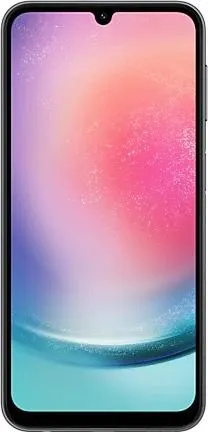
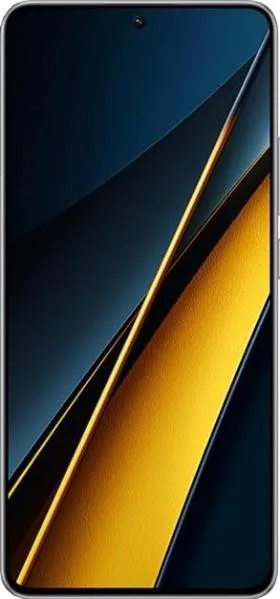
| Feature | Samsung Galaxy A24 4G | Xiaomi Poco X6 Pro | Practical Impact |
|---|---|---|---|
| Design | |||
| Dimensions (mm) | 162.1 x 77.6 x 8.3 | 160.5 x 74.3 x 8.3 | Poco X6 Pro is slightly smaller and may feel more comfortable in hand. |
| Weight (g) | 195 | 186 | Poco X6 Pro is noticeably lighter, reducing hand fatigue during extended use. |
| Display | |||
| Display Type | Super AMOLED, 90Hz | AMOLED, 120Hz | Poco X6 Pro offers a smoother and more responsive visual experience due to the higher refresh rate. |
| Display Size (inches) | 6.5 | 6.67 | Poco X6 Pro has a slightly larger display, providing more screen real estate for media consumption. |
| Resolution | 1080 x 2340 | 1220 x 2712 | Poco X6 Pro boasts a sharper display with higher pixel density (446 ppi vs 396 ppi), resulting in clearer text and images. |
| Peak Brightness (nits) | 1000 | 1800 | Poco X6 Pro's significantly higher peak brightness ensures better visibility in direct sunlight. |
| HDR Support | No Dolby Vision, HDR10/10+ data missing | HDR10+, Dolby Vision | Poco X6 Pro supports HDR10+ and Dolby Vision, enabling a wider dynamic range and richer colors in compatible content. |
| Performance | |||
| Chipset | Mediatek Helio G99 (6nm) | Mediatek Dimensity 8300 Ultra (4nm) | Poco X6 Pro's more advanced chipset built on a smaller process node will deliver significantly better performance and power efficiency. |
| CPU | Octa-core (2x2.2 GHz A76 & 6x2.0 GHz A55) | Octa-core (1x3.35 GHz A715 & 3x3.20 GHz A715 & 4x2.20 GHz A510) | Poco X6 Pro will handle demanding tasks and multitasking with greater ease. |
| GPU | Mali-G57 MC2 | Mali G615-MC6 | Poco X6 Pro has a more powerful GPU, resulting in smoother gaming and faster graphics rendering. |
| RAM | 6GB | 8GB/12GB | Poco X6 Pro offers more RAM, improving multitasking and overall system responsiveness. |
| Camera | |||
| Main Camera | 50MP | 64MP | Poco X6 Pro's higher resolution main camera potentially offers more detail in photos, but real-world performance depends on sensor and processing. |
| Video Recording | 1080p@30fps | Up to 4K@30fps | Poco X6 Pro allows for higher resolution video recording. |
| Battery | |||
| Capacity | 5000 mAh | 5000 mAh | Similar battery capacities, but actual battery life will depend on software optimization and hardware efficiency. |
2. Key Differences Analysis
Xiaomi Poco X6 Pro Advantages:
- Superior Performance: The Dimensity 8300 Ultra chipset, combined with more RAM, provides a significant performance advantage for demanding tasks and gaming.
- Enhanced Display: Higher refresh rate, resolution, and peak brightness contribute to a smoother, sharper, and more vibrant visual experience.
- Improved Camera Capabilities: Higher resolution main camera and 4K video recording offer greater flexibility for content creation.
Samsung Galaxy A24 4G Advantages:
- Potentially Lower Price: Given the specifications, the A24 likely falls into a lower price bracket.
Trade-offs:
- The Poco X6 Pro's advanced features come at a higher price.
- While both phones have 5000 mAh batteries, the Poco X6 Pro's more efficient processor likely translates to longer battery life.
3. User Profiles & Recommendations
Samsung Galaxy A24 4G: Budget-conscious users who prioritize basic smartphone functionality: calling, texting, social media browsing, and light photography.
Xiaomi Poco X6 Pro: Users seeking a high-performance device for demanding tasks, gaming, media consumption, and mobile photography/videography.
4. Decision Framework
Key Questions:
- What is your budget? The Poco X6 Pro commands a premium for its performance.
- What are your primary smartphone usage patterns? Heavy gamers and multimedia enthusiasts will appreciate the Poco X6 Pro, while casual users might find the A24 sufficient.
- How much importance do you place on display quality and performance? The Poco X6 Pro significantly outperforms the A24 in these areas.
My Choice: Xiaomi Poco X6 Pro
While the Samsung Galaxy A24 4G offers a decent set of features for its presumed lower price, the Xiaomi Poco X6 Pro is the clear winner for me. Its superior performance, stunning display, and enhanced camera capabilities make it a much more compelling device. The smoother 120Hz display, brighter screen for outdoor use, and powerful chipset for demanding tasks and gaming are crucial factors for a satisfying user experience. While the price difference might be considerable, the long-term benefits of a future-proof and high-performing device like the Poco X6 Pro justify the investment. The significantly improved performance and display alone are enough to sway me towards the Poco X6 Pro.
