1. Specifications Comparison
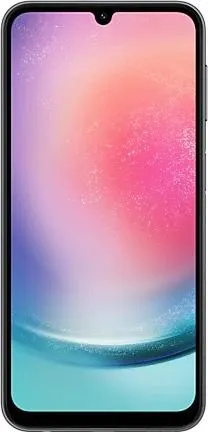
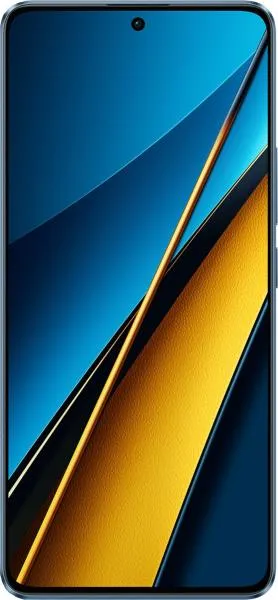
| Feature | Samsung Galaxy A24 4G | Xiaomi Poco X6 | Practical Impact |
|---|---|---|---|
| Design | |||
| Dimensions (mm) | 162.1 x 77.6 x 8.3 | 161.2 x 74.3 x 8.0 | Poco X6 is slightly smaller and thinner. Negligible difference in daily use. |
| Weight (g) | 195 | 181 | Poco X6 is noticeably lighter, improving one-handed use and portability. |
| Display | |||
| Size (inches) | 6.5 | 6.67 | Poco X6 offers a slightly larger screen for more immersive content consumption. |
| Resolution (px) | 1080 x 2340 | 1220 x 2712 | Poco X6 has a sharper display with higher pixel density (446 vs 396 PPI), resulting in crisper text and images. |
| Refresh Rate (Hz) | 90 | 120 | Poco X6's 120Hz refresh rate delivers smoother scrolling and animations, enhancing the overall feel of responsiveness. |
| Display Type | Super AMOLED | AMOLED | Both offer vibrant colors and deep blacks. Poco X6 supports Dolby Vision for enhanced HDR content. Samsung's peak brightness at 1000nits is potentially brighter for outdoor use vs the Poco's typical 500nits but lacks detail on HDR certifications. |
| Performance | |||
| Chipset | Mediatek Helio G99 (6nm) | Qualcomm Snapdragon 7s Gen 2 (4nm) | Snapdragon 7s Gen 2 generally offers better performance and efficiency due to its more advanced architecture and smaller manufacturing process. |
| CPU | Octa-core (2x2.2 GHz Cortex-A76 & 6x2.0 GHz Cortex-A55) | Octa-core (4x2.4 GHz Cortex-A78 & 4x1.95 GHz Cortex-A55) | Poco X6 has a more powerful CPU with faster cores, leading to improved multitasking and demanding app performance. |
| GPU | Mali-G57 MC2 | Adreno 710 | Adreno 710 offers significantly better graphics performance, beneficial for gaming and media editing. |
| RAM (GB) | 6 | 12 | Poco X6's 12GB RAM ensures smooth multitasking and effortless switching between apps. A24's 6GB may struggle with demanding workloads or prolonged usage. |
| Camera | |||
| Main Camera (MP) | 50 | 64 | Poco X6 has a higher resolution main sensor, potentially capturing more detail. Sensor and software processing determine final image quality, not just megapixels. |
| Video Recording | 1080p@30fps | 4K@30fps | Poco X6 offers superior video recording capabilities with 4K resolution. |
| Battery | |||
| Capacity (mAh) | 5000 | 5100 | Negligible difference in battery capacity. Real-world battery life depends on usage patterns and software optimization. |
2. Key Differences Analysis
Xiaomi Poco X6 Advantages:
- Superior Performance: The Snapdragon 7s Gen 2, coupled with 12GB RAM, provides a significant performance advantage for demanding tasks and gaming.
- Smoother Display: The 120Hz refresh rate offers a more fluid and responsive user experience.
- Sharper Display: Higher resolution and pixel density result in crisper visuals.
- Better Video Recording: 4K recording capability is a significant upgrade over 1080p.
- Lighter and More Compact: Noticeably lighter and slightly smaller, making it more comfortable for one-handed use.
Samsung Galaxy A24 4G Advantages:
- Potentially Brighter Display in Direct Sunlight: The higher typical brightness in the A24 can make it more usable in direct sunlight. Though, HDR performance is unclear.
- Potentially Lower Price: Though both are mid-range, the A24 likely sits at a lower price point given its specs.
Trade-offs:
- The Poco X6's performance and display advantages come at a potentially higher price.
- The A24 offers a more basic experience but at a potentially more affordable price.
3. User Profiles & Recommendations
Samsung Galaxy A24 4G:
- Ideal User: Budget-conscious users prioritizing basic smartphone functionality: calling, texting, social media, web browsing.
- Use Cases: Casual usage, light gaming, less demanding applications.
Xiaomi Poco X6:
- Ideal User: Users seeking a well-rounded phone with strong performance, a smooth display, and good camera capabilities. Gamers, multimedia enthusiasts, power users.
- Use Cases: Demanding applications, mobile gaming, multimedia consumption, content creation.
4. Decision Framework
Key Questions for Buyers:
- What is your budget? The Poco X6 will likely be more expensive.
- What are your primary smartphone usage patterns? Heavy users will benefit from the Poco X6's performance.
- Which features are most important to you? Prioritize performance, display quality, and camera, or affordability and battery life?
My Choice: Xiaomi Poco X6
While pricing wasn't explicitly compared, the performance and feature upgrades in the Poco X6 outweigh the slight potential price difference. The smoother 120Hz display, significantly faster processor, larger RAM capacity, and improved camera features offer a substantial upgrade in user experience. The A24 is a good budget option, but the Poco X6 provides a much more future-proof and enjoyable daily usage experience for a moderate price increase. The superior CPU and GPU in the Poco X6 will handle demanding tasks and maintain performance over a longer period, making it a better long-term investment. Even if the price difference is significant, the value proposition of the Poco X6 is compelling for most users beyond those strictly on the tightest budget.
