1. Specifications Comparison
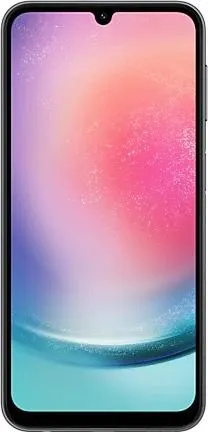
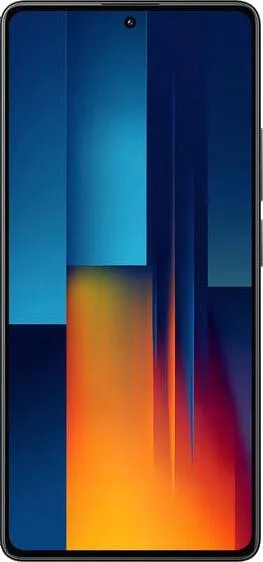
| Feature | Samsung Galaxy A24 4G | Xiaomi Poco M6 Pro | Practical Impact |
|---|---|---|---|
| Design | |||
| Dimensions (mm) | 162.1 x 77.6 x 8.3 | 161.1 x 75.0 x 8.0 | Poco M6 Pro is slightly more compact and thinner. |
| Weight (g) | 195 | 179 | Poco M6 Pro is noticeably lighter, improving one-handed use. |
| Fingerprint Sensor | Side-mounted | Under-display | Preference-based, but under-display is often perceived as more modern. |
| Display | |||
| Display Type | Super AMOLED | AMOLED | Both offer vibrant colors and deep blacks. |
| Display Size (inches) | 6.5 | 6.67 | Poco M6 Pro offers a slightly larger screen for more immersive content consumption. |
| Refresh Rate (Hz) | 90 | 120 | Poco M6 Pro's 120Hz provides smoother scrolling and animations. |
| Peak Brightness (nits) | 1000 | 1300 | Poco M6 Pro's higher peak brightness improves outdoor visibility. |
| Performance | |||
| Chipset | Mediatek Helio G99 (6nm) | Mediatek Helio G99 Ultra | While both use the same base chipset, "Ultra" suggests potential optimizations, though real-world differences may be minimal without benchmarking data. |
| CPU | Octa-core (2x2.2 GHz Cortex-A76 & 6x2.0 GHz Cortex-A55) | Octa-core (2x2.2 GHz Cortex-A76 & 6x2.0 GHz Cortex-A55) | Identical CPU configurations suggest similar performance for everyday tasks. |
| GPU | Mali-G57 MC2 | Mali-G57 MC2 | Same GPU indicates comparable graphics performance. |
| RAM | 6GB | 8/12GB (Configuration dependent) | Poco M6 Pro offers more RAM in higher-end configurations, enabling better multitasking and potentially improved performance with demanding applications. |
| Camera | |||
| Main Camera (MP) | 50 | 64 | Poco M6 Pro has a higher resolution main sensor, potentially capturing more detail. |
| Front Camera (MP) | 13 | 16 | Poco M6 Pro offers a higher resolution front camera for better selfies. |
| Video Recording | 1080p@30fps with EIS | 1080p@30/60fps with EIS | Poco M6 Pro offers more video recording options, including 60fps for smoother footage. |
| Battery | |||
| Battery Capacity (mAh) | 5000 | 5000 | Identical battery capacity suggests similar battery life, though real-world usage may vary. |
2. Key Differences Analysis
Samsung Galaxy A24 4G Advantages:
- Potentially Lower Price: Depending on specific RAM/storage configuration, the A24 may be more affordable.
Xiaomi Poco M6 Pro Advantages:
- Smoother Display: The 120Hz refresh rate provides a noticeably smoother and more responsive user experience.
- Brighter Display: Better visibility in direct sunlight.
- More RAM: Higher-end configurations provide improved multitasking and handling of demanding apps.
- Higher Resolution Cameras: Potentially better image and video quality.
- More Video Recording Options: 60fps recording allows for smoother videos.
- Lighter and Slightly Thinner: Improved handling and portability.
Trade-offs:
- Price: The Poco M6 Pro, especially with higher RAM and storage, might be more expensive.
3. User Profiles & Recommendations
Samsung Galaxy A24 4G:
- Budget-conscious users: Prioritize affordability over top-tier specs.
- Basic smartphone users: Primarily use their phone for calling, texting, social media, and light browsing.
Xiaomi Poco M6 Pro:
- Performance-oriented users: Value smooth performance and responsive gaming.
- Content consumers: Enjoy watching videos, playing games, and browsing media-rich content.
- Mobile photographers/videographers: Appreciate higher resolution cameras and versatile video recording options.
4. Decision Framework
Key Questions for Buyers:
- What is your budget?
- What are your primary smartphone usage patterns?
- Which features are most important to you (e.g., display quality, camera performance, battery life)?
Scenario-Based Recommendations:
- Tight budget, basic usage: Samsung Galaxy A24 4G
- Moderate budget, prioritize smooth performance and better display: Xiaomi Poco M6 Pro (base configuration)
- Higher budget, demand top performance, best camera, and ample storage: Xiaomi Poco M6 Pro (higher-end configuration)
My Choice: Xiaomi Poco M6 Pro
While specific RAM/storage configurations and pricing would influence my final decision, based on the provided information, I would choose the Xiaomi Poco M6 Pro. The 120Hz display, brighter screen, potentially improved performance with the "Ultra" chipset designation, higher resolution cameras, and extra video recording options offer a significantly better user experience. The slightly lighter and thinner design is also appealing. Even in a base configuration with 8GB RAM, the Poco M6 Pro offers a noticeable upgrade over the A24 in areas that greatly impact daily usage. The price difference, if reasonable, would be justifiable for the enhanced features and performance.
