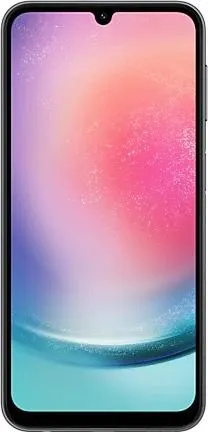
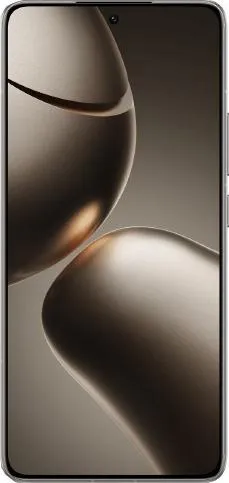
1. Specifications Comparison
| Feature | Samsung Galaxy A24 4G | Xiaomi 14T Pro | Practical Impact |
|---|---|---|---|
| Design | |||
| Dimensions (mm) | 162.1 x 77.6 x 8.3 | 160.4 x 75.1 x 8.4 | Xiaomi 14T Pro slightly shorter and narrower, negligible difference in thickness. |
| Weight (g) | 195 | 209 | Xiaomi 14T Pro noticeably heavier (209g vs 195g), impacting one-handed use and pocket comfort. |
| Build Materials | Not specified | Not specified | Build quality and durability cannot be compared without further information. |
| Display | |||
| Size (inches) | 6.5 | 6.67 | Xiaomi 14T Pro offers a larger screen for more immersive media consumption. |
| Resolution (pixels) | 1080 x 2340 | 1220 x 2712 | Xiaomi 14T Pro boasts significantly higher resolution, resulting in sharper text and images. |
| Refresh Rate (Hz) | 90 | 144 | Xiaomi 14T Pro's higher refresh rate delivers smoother scrolling and animations, especially noticeable in gaming and fast-paced content. |
| Display Type | Super AMOLED | AMOLED | Both are AMOLED, offering vibrant colors and deep blacks. However, the Xiaomi 14T Pro supports Dolby Vision and HDR10+ for enhanced dynamic range in compatible content, alongside a much higher peak brightness. |
| Peak Brightness (nits) | 1000 | 4000 | Xiaomi's vastly superior peak brightness dramatically improves outdoor visibility. |
| Performance | |||
| Chipset | Mediatek Helio G99 (6nm) | Mediatek Dimensity 9300+ (4nm) | Xiaomi 14T Pro features a significantly more powerful and efficient processor, leading to much faster performance in demanding tasks and games. The smaller process node contributes to better battery life. |
| CPU | Octa-core (2x2.2 GHz Cortex-A76 & 6x2.0 GHz Cortex-A55) | Octa-core (1x3.4 GHz Cortex-X4 & 3x2.85 GHz Cortex-X4 & 4x2.0 GHz Cortex-A720) | The Xiaomi 14T Pro utilizes more powerful CPU cores and architecture, translating to significant performance gains in multitasking and heavy applications. |
| GPU | Mali-G57 MC2 | Immortalis-G720 MC12 | Xiaomi 14T Pro has a considerably more powerful GPU, resulting in superior gaming performance and smoother graphics rendering. |
| RAM (GB) | 6 | 12 | Double the RAM on the Xiaomi 14T Pro allows for more apps to run in the background and smoother multitasking. |
| Camera | |||
| Main Camera (MP) | 50 | 50 | Similar megapixel count, but sensor details are crucial for image quality comparison, and these are missing for the A24. Xiaomi uses a larger sensor (1/1.31") with wider aperture (f/1.6) for better low-light performance and depth of field. |
| Additional Cameras | 5MP Wide, 2MP Macro | 12MP Wide, 50MP Telephoto | Xiaomi 14T Pro offers a more versatile camera setup with a telephoto lens for optical zoom, instead of a low-resolution macro lens. |
| Video Recording | 1080p@30fps | Up to 8K@30fps | Xiaomi 14T Pro supports significantly higher video resolution and frame rates, including 8K recording. |
| Battery | |||
| Capacity (mAh) | 5000 | 5000 | Identical battery capacity, but real-world battery life depends on factors like screen size, refresh rate, and processor efficiency. The Xiaomi's more efficient chip likely compensates for its more demanding display. |
2. Key Differences Analysis
Xiaomi 14T Pro Advantages:
- Significantly higher performance: The Dimensity 9300+ chipset and 12GB RAM offer a substantial performance advantage for demanding tasks and gaming.
- Superior display: Higher resolution, refresh rate, peak brightness, and HDR support provide a much more immersive and enjoyable viewing experience.
- More versatile camera system: The telephoto lens enables optical zoom, absent in the A24. Larger sensor and wider aperture on the main camera likely results in better low light performance.
- Faster charging: While not explicitly stated, Pro models often feature faster charging technologies.
Samsung Galaxy A24 4G Advantages:
- Lighter and potentially more comfortable for one-handed use: The lower weight might be preferable for some users.
- Lower price: While not specified in detail, the A24 is positioned in a lower price bracket than the 14T Pro.
3. User Profiles & Recommendations
Samsung Galaxy A24 4G:
- Budget-conscious users: Prioritizing affordability over top-tier performance.
- Casual users: Primarily using their phone for basic tasks like calling, texting, social media, and light web browsing.
Xiaomi 14T Pro:
- Power users: Demanding high performance for gaming, multitasking, and demanding applications.
- Content creators: Utilizing the camera for high-quality photos and videos.
- Enthusiasts: Seeking the latest technology and features.
4. Decision Framework
Key Questions for Buyers:
- What is your budget? The Xiaomi 14T Pro is significantly more expensive.
- What are your primary phone usage patterns? Casual users might find the A24 sufficient, while power users will appreciate the 14T Pro's performance.
- Which features are most important to you? Prioritize display quality, camera capabilities, performance, or battery life based on your needs.
My Choice: Xiaomi 14T Pro
While significantly more expensive, the Xiaomi 14T Pro offers a compelling package of superior performance, a stunning display, and a versatile camera system. The advancements in processing power, graphics capabilities, and display technology would provide a noticeably better user experience compared to the Samsung Galaxy A24 4G. The 14T Pro's future-proofing with 5G and WiFi 7 also makes it a more compelling long-term investment. While the A24 is a respectable budget option, the 14T Pro's substantial improvements justify the higher price for users who value a premium smartphone experience. I prioritize performance, a fluid display, and future-proofing, making the 14T Pro the clear winner for me.
