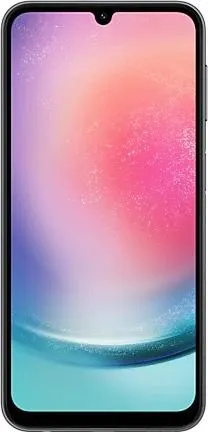

1. Specifications Comparison
| Feature | Samsung Galaxy A24 4G | Oppo Reno11 | Practical Impact |
|---|---|---|---|
| Design | |||
| Dimensions (mm) | 162.1 x 77.6 x 8.3 | 162.4 x 74.3 x 7.9 | Reno11 slightly narrower and thinner |
| Weight (g) | 195 | 182 | Reno11 noticeably lighter, improving one-handed use |
| Build Material | Not specified | Not specified | Cannot compare build durability and premium feel |
| Display | |||
| Size (inches) | 6.5 | 6.7 | Reno11 offers a larger viewing area for media consumption |
| Resolution (pixels) | 1080 x 2340 | 1080 x 2412 | Similar pixel density, but Reno11's taller aspect ratio might offer slightly more vertical content |
| Display Type | Super AMOLED, 90Hz | AMOLED, 120Hz | Reno11's 120Hz display provides smoother animations and scrolling |
| Peak Brightness (nits) | 1000 | 950 | A24 slightly brighter in direct sunlight; practical difference might be negligible |
| HDR | No | HDR10+ | Reno11 supports HDR10+ for enhanced video dynamic range and color accuracy in compatible content |
| Performance | |||
| Chipset | Mediatek Helio G99 (6nm) | Mediatek Dimensity 7050 (6nm) | Reno11's Dimensity 7050 likely offers better CPU and GPU performance for demanding tasks and gaming, though specific benchmark comparisons would be needed |
| CPU | Octa-core (2x2.2 GHz Cortex-A76 & 6x2.0 GHz Cortex-A55) | Octa-core (2x2.6 GHz Cortex-A78 & 6x2.0 GHz Cortex-A55) | Reno11 has faster and more efficient performance cores (Cortex-A78 vs A76) |
| GPU | Mali-G57 MC2 | Mali-G68 MC4 | Reno11's GPU should provide significantly better gaming performance |
| RAM | 6GB | 12GB | Reno11's larger RAM enables better multitasking and app switching; less likely to reload apps |
| Camera | |||
| Main Camera (MP) | 50 | 50 | Similar resolution, but sensor details (sensor size, pixel size) are crucial for image quality and are missing for the A24 |
| Other Cameras | 5MP Wide, 2MP Macro | 8MP Wide, 32MP Telephoto | Reno11 offers a telephoto lens for optical zoom, significantly enhancing versatility; a higher resolution ultrawide is also beneficial. |
| Video Recording | 1080p@30fps | 4K@30fps, 1080p@120fps | Reno11 capable of higher resolution and slow-motion video recording |
| Battery | |||
| Capacity (mAh) | 5000 | 5000 | Similar battery capacities suggest comparable battery life, but real-world usage varies depending on other factors |
| Charging Speed | Not specified | Not specified | Cannot compare charging speeds |
2. Key Differences Analysis
Samsung Galaxy A24 4G Advantages:
- Potentially brighter display: Might be slightly more readable in direct sunlight.
- Lower Price: Likely more affordable.
Oppo Reno11 Advantages:
- Smoother Display: 120Hz refresh rate provides a superior user experience.
- Significantly Better Performance: More powerful CPU and GPU for smoother multitasking and gaming.
- More Versatile Camera System: Telephoto lens for optical zoom and higher resolution ultrawide.
- Higher Resolution and Frame Rate Video Recording: Captures more detailed and smoother videos.
- Larger RAM: Improved multitasking and less frequent app reloading.
3. User Profiles & Recommendations
Samsung Galaxy A24 4G: Budget-conscious users prioritizing basic smartphone functionality (calls, messaging, social media) and a bright display for outdoor use.
Oppo Reno11: Users who value a smooth and responsive experience, play demanding mobile games, require a versatile camera system with optical zoom, and prioritize multitasking capabilities.
4. Decision Framework
Key Questions for Buyers:
- What is your budget? The A24 is likely significantly cheaper.
- What are your primary smartphone usage patterns? Basic tasks vs. demanding gaming and multitasking.
- How important is camera quality and versatility? The Reno11 offers a clear advantage in this area.
Scenario-Based Recommendations:
- Limited Budget, Basic Usage: A24
- Balanced Performance and Features: Reno11
- Gaming and Photography Enthusiast: Reno11
My Choice: Oppo Reno11
Reasoning: While pricing details are incomplete, the Reno11 offers significant advantages in performance, display quality (120Hz), and camera versatility (telephoto lens) that outweigh the potential price difference. The smoother user experience, better gaming capabilities, and superior camera system make it a more compelling overall package for my needs. The 12GB RAM also future-proofs the device for longer, ensuring smooth performance even as apps become more demanding. While the A24 might be sufficient for basic tasks, the Reno11 offers a more enjoyable and future-proof smartphone experience.
