1. Specifications Comparison
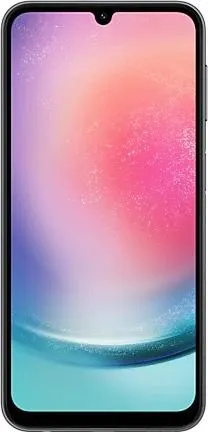
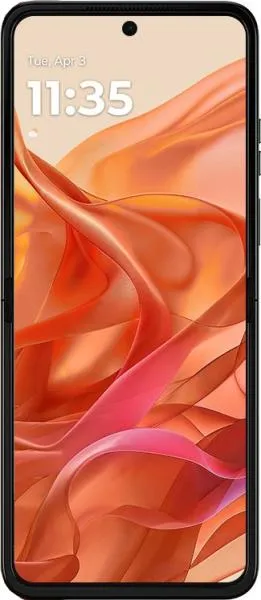
| Feature | Samsung Galaxy A24 4G | Motorola Razr 50 | Practical Impact |
|---|---|---|---|
| Design | |||
| Dimensions (mm) | 162.1 x 77.6 x 8.3 | 171.3 x 74 x 7.3 | Razr 50 is narrower and thinner when folded, but taller when unfolded. A24 is a traditional candybar design. |
| Weight (g) | 195 | 188.4 | Negligible weight difference in practical use. |
| Foldable | No | Yes | Razr 50 offers greater portability when folded, but introduces a potential point of failure with the hinge. |
| Display | |||
| Size (inches) | 6.5 | 6.9 | Razr 50 has a larger screen when unfolded, providing more immersive content consumption. |
| Resolution (pixels) | 1080 x 2340 | 1080 x 2640 | Razr 50 has a slightly taller aspect ratio, but similar pixel density. |
| Type | Super AMOLED, 90Hz | Foldable LTPO AMOLED, 120Hz | Razr 50's LTPO panel allows for variable refresh rates, potentially saving battery. Higher refresh rate provides smoother animations. Foldable screen is unique and eye-catching. |
| Peak Brightness (nits) | 1000 | 3000 | Razr 50 is significantly brighter, improving outdoor visibility. |
| Performance | |||
| Chipset | Mediatek Helio G99 (6nm) | Mediatek Dimensity 7300X (4nm) | Dimensity 7300X offers significantly better performance and efficiency due to newer architecture and manufacturing process. |
| CPU | Octa-core (2x2.2 GHz Cortex-A76 & 6x2.0 GHz Cortex-A55) | Octa-core (4x2.5 GHz Cortex-A78 & 4x2.0 GHz Cortex-A55) | Razr 50 has more powerful CPU cores, resulting in faster app loading, smoother multitasking, and better gaming performance. |
| GPU | Mali-G57 MC2 | Mali-G615 MC2 | Razr 50 has a more powerful GPU, leading to improved gaming and graphics performance. |
| RAM | 6GB | 8GB/12GB | Razr 50 offers more RAM, enabling better multitasking and preventing apps from closing in the background. |
| Camera | |||
| Main Camera (MP) | 50 | 50 | Similar resolution, but image quality can differ due to sensor size, processing, and lens quality (not provided). |
| Selfie Camera (MP) | 13 | 32 | Razr 50 has a much higher resolution selfie camera. |
| Video Recording | 1080p@30fps | 4K@30fps | Razr 50 can record video at a higher resolution. |
| Battery | |||
| Capacity (mAh) | 5000 | 4200 | A24 has a larger battery capacity, potentially offering longer battery life, however, Razr 50's LTPO display might offset this difference. |
2. Key Differences Analysis
Samsung Galaxy A24 4G Advantages:
- Longer Potential Battery Life: Larger 5000mAh battery.
- Lower Price: Typically more affordable.
- Durability: Traditional design is generally more robust.
Motorola Razr 50 Advantages:
- Foldable Design: Unique form factor for portability and style.
- Significantly Faster Performance: More powerful chipset and more RAM.
- Higher Quality Display: Brighter, smoother, and with more advanced technology (LTPO).
- Better Cameras: Higher resolution selfie camera and 4K video recording.
- 5G Connectivity: Offers faster data speeds and lower latency.
3. User Profiles & Recommendations
Samsung Galaxy A24 4G:
- Budget-conscious users: Prioritize affordability and basic functionality.
- Users seeking long battery life: Value all-day usage without frequent charging.
- Users who prefer a simple, durable phone: Not interested in cutting-edge features.
Motorola Razr 50:
- Users who value portability and style: Attracted to the foldable design.
- Power users: Need a phone for demanding tasks, gaming, and media consumption.
- Early adopters: Enjoy having the latest technology.
4. Decision Framework
Key Questions for Buyers:
- What is your budget? The Razr 50 is significantly more expensive.
- How important is portability and style? The Razr 50's foldable design is its main selling point.
- What are your performance needs? For demanding tasks and gaming, the Razr 50 is much better equipped.
My Choice: Motorola Razr 50
While the Samsung Galaxy A24 4G offers excellent battery life and a lower price, the Motorola Razr 50 is the superior device overall. The foldable design is incredibly appealing for its portability and uniqueness. The significantly improved performance, higher quality display, and better cameras outweigh the higher price and smaller battery for me. The future-proof 5G connectivity is also a crucial factor. The innovative form factor combined with the powerful hardware makes the Razr 50 a more compelling choice. While acknowledging the price difference and the potential durability concerns associated with foldable phones, I prioritize performance, a modern feature set, and the unique experience offered by the Razr 50.
