1. Specifications Comparison
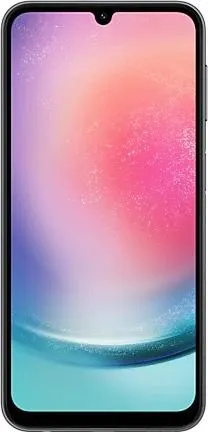
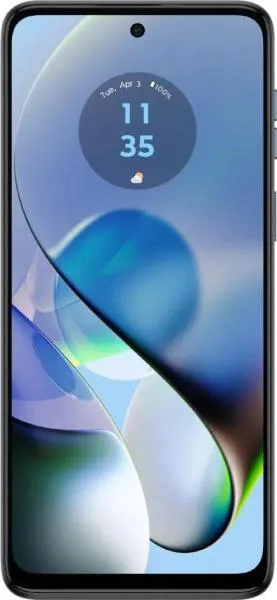
| Feature | Samsung Galaxy A24 4G | Motorola Moto G54 | Practical Impact |
|---|---|---|---|
| Design | |||
| Dimensions (mm) | 162.1 x 77.6 x 8.3 | 161.6 x 73.8 x 8.0 | Moto G54 is slightly narrower and lighter, potentially improving one-handed use. |
| Weight (g) | 195 | 177 | Noticeable difference in hand; Moto G54 will feel less bulky. |
| Display | |||
| Display Type | Super AMOLED, 90Hz | IPS LCD, 120Hz | A24 offers more vibrant colors and deeper blacks, while G54 provides smoother scrolling and animations with its higher refresh rate. |
| Resolution | 1080 x 2340 | 1080 x 2400 | Negligible difference in sharpness at this screen size. |
| Peak Brightness | 1000 nits | Not specified | A24's higher peak brightness ensures better visibility in direct sunlight. Missing G54 data limits full comparison. |
| Performance | |||
| Chipset | Mediatek Helio G99 (6nm) | Mediatek Dimensity 7020 (6nm) | Dimensity 7020 generally offers better performance and efficiency due to its more powerful CPU cores (Cortex-A78 vs A76). |
| CPU | Octa-core (2x2.2 GHz A76 & 6x2.0 GHz A55) | Octa-core (2x2.2 GHz A78 & 6x2.0 GHz A55) | G54 should provide smoother multitasking and faster app loading. |
| GPU | Mali-G57 MC2 | IMG BXM-8-256 | Difficult to compare without benchmarks. Both should handle everyday tasks and casual gaming well. |
| RAM | 6GB (tested model) | 8GB (tested model) | G54's extra RAM enables better multitasking and app switching, especially beneficial for power users. Other RAM options exist for both phones. |
| Camera | |||
| Main Camera | 50MP | 50MP | Resolution alone doesn't determine image quality. Missing sensor details limit a comprehensive comparison. |
| Other Cameras | 5MP Ultrawide, 2MP Macro, 13MP Selfie | 2MP Macro, 16MP Selfie | A24 offers an ultrawide lens, expanding creative possibilities. G54 has a higher resolution selfie camera. |
| Video Recording | 1080p@30fps | 1080p@30/60fps | G54 offers more flexibility with 60fps recording for smoother videos. |
| Battery | |||
| Capacity | 5000 mAh | 5000 mAh | Similar battery capacities suggest comparable battery life, although real-world usage varies. |
| Charging Speed | Not specified | Not specified | Missing information prevents comparison of charging speeds. |
2. Key Differences Analysis
Samsung Galaxy A24 4G Advantages:
- Super AMOLED Display: More vibrant colors, deeper blacks, and better outdoor visibility due to higher peak brightness.
- Ultrawide Camera: Provides wider field of view for more versatile photography.
Motorola Moto G54 Advantages:
- Higher Refresh Rate Display: Smoother scrolling and animations, enhancing user experience.
- More Powerful Processor: Better overall performance for demanding tasks and multitasking.
- Higher Resolution Selfie Camera: Potentially better quality for video calls and self-portraits.
- More RAM in tested version: Smoother multitasking and improved performance with demanding applications.
3. User Profiles & Recommendations
Samsung Galaxy A24 4G:
- Ideal User: Users prioritizing display quality and vibrant colors for media consumption. Casual photographers who value an ultrawide lens. Budget-conscious buyers.
- Use Cases: Watching videos, browsing social media, casual photography.
Motorola Moto G54:
- Ideal User: Users prioritizing smooth performance and multitasking capabilities. Users who frequently use demanding applications. Those preferring a lighter and more compact phone.
- Use Cases: Mobile gaming, productivity tasks, multitasking between various apps.
4. Decision Framework
Key Questions for Buyers:
- Is display quality or performance more important? A24 excels in display vibrancy, while G54 offers smoother performance.
- Do you frequently use demanding apps or multitask heavily? G54's superior processor and RAM are beneficial for power users.
- What type of photography do you prioritize? A24 offers ultrawide versatility, while G54 boasts a higher resolution selfie camera. Detailed camera sensor information is lacking for a complete analysis.
My Choice: Motorola Moto G54
While the Samsung Galaxy A24 4G boasts a stunning Super AMOLED display, the Motorola Moto G54 offers a more well-rounded package for my needs. The Dimensity 7020 processor with its more powerful Cortex-A78 cores combined with the higher 120Hz refresh rate and increased RAM in the tested model would provide a noticeably smoother and more responsive user experience. The improved performance, even for everyday tasks, outweighs the benefits of the AMOLED screen for me. Although specific camera sensor details are missing, the availability of 60fps video recording on the G54 is a significant advantage. Furthermore, the slightly lighter and more compact design of the G54 aligns with my preference for a more comfortable in-hand feel.
