1. Specifications Comparison
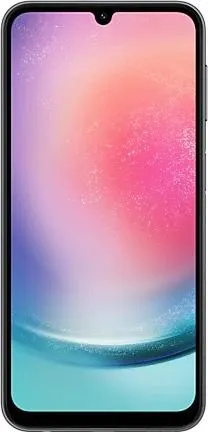
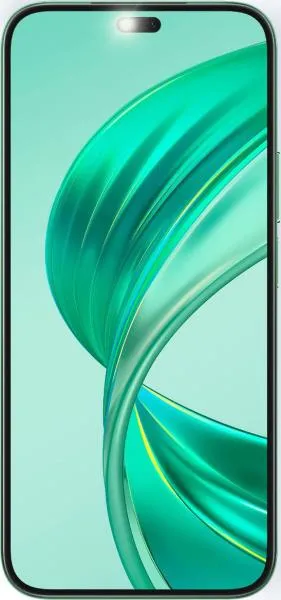
| Feature | Samsung Galaxy A24 4G | Honor X8b | Practical Impact |
|---|---|---|---|
| Design | |||
| Dimensions (mm) | 162.1 x 77.6 x 8.3 | 161.1 x 74.6 x 6.8 | Honor X8b is slightly thinner and lighter. |
| Weight (g) | 195 | 166 | Noticeable difference in hand feel; Honor X8b will feel less bulky. |
| Display | |||
| Size (inches) | 6.5 | 6.7 | Honor X8b offers a slightly larger screen for more immersive content consumption. |
| Resolution (px) | 1080 x 2340 | 1080 x 2412 | Both are sharp enough for everyday use, minimal practical difference. |
| Type | Super AMOLED, 90Hz | AMOLED, 90Hz | Both offer vibrant colors and smooth scrolling. Honor X8b boasts higher peak brightness (2000 nits vs 1000 nits), improving outdoor visibility. |
| Performance | |||
| Chipset | Mediatek Helio G99 (6nm) | Qualcomm Snapdragon 680 4G (6nm) | Performance should be comparable for everyday tasks, though specific benchmarks would be needed for definitive comparison. |
| CPU | Octa-core (2x2.2 GHz Cortex-A76 & 6x2.0 GHz Cortex-A55) | Octa-core (4x2.4 GHz Kryo 265 Gold & 4x1.9 GHz Kryo 265 Silver) | Similar performance, but architectural differences might impact specific workloads. Requires further benchmarking analysis. |
| GPU | Mali-G57 MC2 | Adreno 610 | Gaming performance may vary; further testing needed for a definitive comparison. |
| RAM | 6GB (in this price comparison) | 8GB (in this price comparison) | Honor X8b's larger RAM can handle more background tasks and multitasking more efficiently. |
| Camera | |||
| Main Camera (MP) | 50 | 108 | Honor X8b has a significantly higher resolution main camera, potentially capturing more detail. However, megapixel count isn't everything; image quality depends on sensor size, processing, and other factors. |
| Selfie Camera (MP) | 13 | 50 | Honor X8b boasts a much higher resolution selfie camera. |
| Video Recording | 1080p@30fps with EIS | 1080p@30fps | Both record at 1080p; Samsung A24 features Electronic Image Stabilization (EIS) for smoother videos. Missing information regarding EIS on the Honor X8b. |
| Battery | |||
| Capacity (mAh) | 5000 | 4500 | Samsung A24 has a larger battery, likely resulting in longer battery life. |
| Other | |||
| NFC | Yes | No | Samsung A24 supports contactless payments and data transfer via NFC. This is a significant advantage for users who rely on these features. |
| Starting Price (USD) | $187.49 (6GB/128GB) | $177.90 (6GB/256GB) | Honor X8b offers more storage for a slightly lower price in this configuration, providing a better value proposition in terms of storage. |
2. Key Differences Analysis
Samsung Galaxy A24 4G Advantages:
- Larger Battery: Longer usage time between charges.
- NFC: Enables contactless payments and data transfer.
Honor X8b Advantages:
- Thinner and Lighter Design: More comfortable to hold and carry.
- Higher Resolution Main and Selfie Cameras: Potential for more detailed photos. Requires further analysis of sensor quality and image processing.
- Larger Display: More immersive media consumption.
- Brighter Display: Better visibility in direct sunlight.
- More RAM: Smoother multitasking and better performance with demanding apps.
- Higher Storage at Lower Price: Better value in terms of storage for the price.
3. User Profiles & Recommendations
Samsung Galaxy A24 4G: Ideal for users who prioritize battery life and NFC functionality for mobile payments and quick pairing.
Honor X8b: Suitable for users who value a slim design, large and bright display, and more storage for a competitive price. Good for media consumption and multitasking, though camera performance needs further investigation.
4. Decision Framework
Key Questions for Buyers:
- How important is battery life? If all-day battery is crucial, the A24 is likely the better choice.
- Do you frequently use contactless payments or NFC pairing? If so, the A24 is essential due to its NFC capability.
- Is a slim design and larger, brighter display a priority? The Honor X8b excels in these aspects.
My Choice:
I would choose the Samsung Galaxy A24 4G. While the Honor X8b offers a compelling package with its design, display, and larger RAM, the presence of NFC and the significantly larger battery in the A24 are crucial for my personal needs. I heavily rely on contactless payments and prefer not to worry about battery life throughout the day. The slightly higher price for the A24 is justified by these essential features for my usage. The lack of NFC in the Honor X8b is a significant drawback. While the Honor X8b offers more storage at a comparable price point, cloud storage solutions mitigate the need for substantial onboard storage.
