1. Specifications Comparison
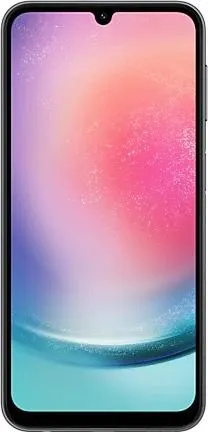
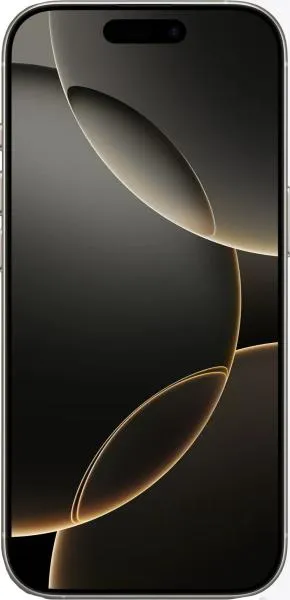
| Feature | Samsung Galaxy A24 4G | Apple iPhone 16 Pro | Practical Impact |
|---|---|---|---|
| Design | |||
| Dimensions (mm) | 162.1 x 77.6 x 8.3 | 149.6 x 71.5 x 8.3 | iPhone 16 Pro is noticeably smaller and potentially easier to handle one-handed. |
| Weight (g) | 195 | 199 | Negligible weight difference. |
| Build Material | Unspecified | Unspecified | Material differences could impact durability and premium feel; information is lacking. |
| Display | |||
| Display Size (inches) | 6.5 | 6.3 | A24 has a slightly larger screen for more immersive content consumption. |
| Resolution (px) | 1080 x 2340 | 1206 x 2622 | iPhone has a sharper display with higher pixel density (460 ppi vs 396 ppi), resulting in crisper text and images. |
| Display Type | Super AMOLED, 90Hz | LTPO Super Retina XDR OLED, 120Hz | iPhone's LTPO panel allows for dynamic refresh rate adjustment, saving battery. Higher refresh rate provides smoother animations and scrolling on the iPhone. AMOLED generally offers vibrant colors and deep blacks. |
| Peak Brightness (nits) | 1000 | 2000 | iPhone's significantly higher peak brightness ensures better visibility in direct sunlight. |
| Performance | |||
| Chipset | Mediatek Helio G99 (6nm) | Apple A18 Pro (3nm) | A18 Pro is expected to significantly outperform the Helio G99 in speed and efficiency due to Apple's chip design and advanced manufacturing process. |
| CPU | Octa-core (2x2.2 GHz Cortex-A76 & 6x2.0 GHz Cortex-A55) | Hexa-core (2x4.05 GHz + 4x2.42 GHz) | A18 Pro's architecture and higher clock speeds will deliver superior processing power for demanding tasks and gaming. |
| GPU | Mali-G57 MC2 | Apple GPU (6-core graphics) | Apple's custom GPU is optimized for iOS and expected to offer significantly better graphics performance. |
| RAM | 6GB | 8GB | More RAM on the iPhone allows for smoother multitasking and handling more complex applications. |
| Camera | |||
| Main Camera (MP) | 50 | 48 | Megapixel count doesn't tell the whole story; sensor size, aperture, and processing play a crucial role in image quality. iPhone boasts advanced features like ProRAW and ProRes. |
| Ultrawide (MP) | 5 | 48 | Significant difference in ultrawide resolution favoring the iPhone, allowing for much more detailed wide shots. |
| Telephoto | Not specified | 12MP | iPhone offers optical zoom capabilities, absent in the A24. |
| Video Recording | 1080p@30fps | Up to 4K@120fps with HDR, Dolby Vision | iPhone offers significantly higher resolution and frame rate video recording with advanced features like HDR and Dolby Vision for superior video quality. |
| Battery | |||
| Capacity (mAh) | 5000 | 3582 | Larger battery capacity on the A24 suggests longer potential battery life. However, real-world usage depends on software optimization and display efficiency. iPhone's LTPO display mitigates some battery drain. |
2. Key Differences Analysis
Samsung Galaxy A24 4G Advantages:
- Larger Battery: Potentially longer battery life.
- Lower Price: Significantly more affordable.
- Slightly Larger Display: More immersive for media consumption.
Apple iPhone 16 Pro Advantages:
- Significantly Faster Performance: Superior CPU and GPU for demanding tasks and gaming.
- Higher Quality Display: Sharper, brighter, and smoother with LTPO technology.
- More Advanced Camera System: Higher resolution sensors, optical zoom, superior video recording capabilities.
- Premium Ecosystem: Seamless integration with other Apple devices and services.
Trade-offs:
- iPhone 16 Pro: Significantly higher price for premium features. Smaller battery capacity might result in shorter battery life compared to the A24.
- Samsung Galaxy A24 4G: Compromises on performance, display quality, and camera features for affordability.
3. User Profiles & Recommendations
Samsung Galaxy A24 4G: Ideal for budget-conscious users who prioritize basic smartphone functionality, long battery life, and a large display for media consumption. Best for:
- Casual users: Social media, browsing, light gaming.
- Users on a tight budget.
- Users who prioritize battery life above all else.
Apple iPhone 16 Pro: Ideal for users who demand top-tier performance, the best display and camera technology, and seamless integration with the Apple ecosystem. Best for:
- Power users: Demanding apps, multitasking, gaming.
- Content creators: Photography, videography.
- Users who prioritize performance and a premium experience.
4. Decision Framework
Key Questions:
- What is your budget? The iPhone 16 Pro is significantly more expensive.
- What are your primary smartphone needs? Basic tasks vs. demanding applications and content creation.
- How important are battery life, display quality, and camera performance?
My Choice: Apple iPhone 16 Pro
While the Samsung Galaxy A24 4G offers excellent value for its price, the iPhone 16 Pro is the clear winner for me. I prioritize a smooth and responsive user experience, a high-quality display for consuming media, and a capable camera system. The A18 Pro chip's superior performance, coupled with the 120Hz LTPO display, ensures a fluid and enjoyable user experience. Although the battery capacity is smaller, Apple's optimization and the LTPO display's efficiency mitigate this concern. The advanced camera system with ProRAW and ProRes capabilities is crucial for capturing high-quality photos and videos. While the price is high, the overall package offered by the iPhone 16 Pro aligns better with my needs and preferences. The long-term software support from Apple also contributes to the value proposition.
