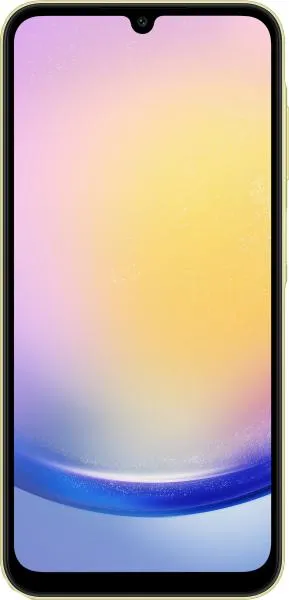
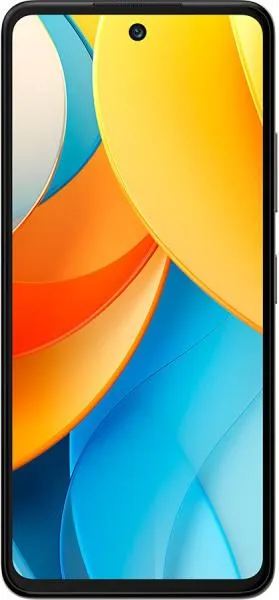
Let's dive into a comparative analysis of the Samsung Galaxy A15 and the ZTE Blade V60 Design, focusing on how their specifications translate into real-world user experiences.
1. Specifications Breakdown
| Feature | Samsung Galaxy A15 | ZTE Blade V60 Design | Real-World Implications |
|---|---|---|---|
| Design | |||
| Dimensions | 160.1 x 76.8 x 8.4 mm | 164.2 x 75.3 x 8.6 mm | A15 slightly shorter, narrower, thinner. Negligible difference in hand feel. |
| Weight | 200g | 198g | Virtually identical; both feel substantial without being overly heavy. |
| Build Materials | Plastic | Plastic | Expect similar durability and feel; case recommended for both. |
| Display | |||
| Display Type | Super AMOLED, 90Hz | IPS LCD, 90Hz | A15 boasts richer colors, deeper blacks, and better outdoor visibility due to AMOLED technology. |
| Size | 6.5" | 6.6" | V60 slightly larger screen real estate. |
| Resolution | 1080 x 2340 | 720 x 1612 | A15 significantly sharper and more detailed visuals thanks to higher resolution (Full HD+ vs. HD+). |
| Refresh Rate | 90Hz | 90Hz | Both offer smooth scrolling and animations. |
| Performance | |||
| Chipset | Helio G99 (6nm) | Unisoc T606 (12nm) | A15's more advanced chipset and smaller manufacturing process translate to noticeably better performance and efficiency. |
| CPU | Octa-core (2x2.2 GHz A76 & 6x2.0 GHz A55) | Octa-core (2x1.6 GHz A75 & 6x1.6 GHz A55) | A15 boasts faster clock speeds, leading to smoother multitasking and app loading. |
| GPU | Mali-G57 MC2 | Mali-G57 MP1 | A15's slightly more powerful GPU handles graphics-intensive tasks better, like gaming. |
| RAM | 6GB/8GB | 6GB | A15 offers an 8GB RAM option for even smoother performance. |
| Storage | 128GB/256GB | 256GB | Both offer ample storage; A15 has flexible options. |
| Battery | |||
| Capacity | 5000 mAh | 5000 mAh | Similar battery capacities suggest comparable longevity, though A15's efficiency might give it an edge. |
2. Key Insights
The Samsung Galaxy A15 clearly holds the upper hand in terms of display and performance. Its Super AMOLED screen provides a vastly superior visual experience, while the Helio G99 chipset delivers significantly better speed and efficiency compared to the ZTE Blade V60 Design's Unisoc T606. The A15 also offers more RAM and storage configuration options.
The ZTE Blade V60 Design's primary advantage lies in its potentially lower price point, given its "low price" range designation compared to the A15's "medium price" range. It also offers a slightly larger display, though at a lower resolution.
3. User Profiles and Recommendations
Samsung Galaxy A15: Suited for users who prioritize display quality, performance, and overall responsiveness. Ideal for multimedia consumption, mobile gaming, and demanding tasks.
ZTE Blade V60 Design: Best for budget-conscious users who primarily use their phones for basic communication, web browsing, and light media consumption. A good option for those seeking a large screen without breaking the bank.
4. Buying Decision Framework
- What is your budget? If price is your primary concern, the V60 Design is likely the more affordable option.
- How important is display quality and performance? If you value a vibrant screen and smooth performance, the A15 is the clear winner.
- What do you primarily use your phone for? For demanding tasks and multimedia, choose the A15. For basic use, the V60 Design might suffice.
My Choice: I would choose the Samsung Galaxy A15. While potentially more expensive, the superior display, significantly better performance, and overall more refined user experience offered by the A15 make it a far more compelling device in my opinion. The difference in chipset technology (6nm vs. 12nm) is substantial and would result in a noticeable difference in daily use, battery life, and future-proofing. As someone who values a smooth and responsive experience, the A15's advantages outweigh the potential price difference. A crisp, vibrant display is also crucial for enjoying multimedia content, making the A15's Super AMOLED screen a deciding factor.
