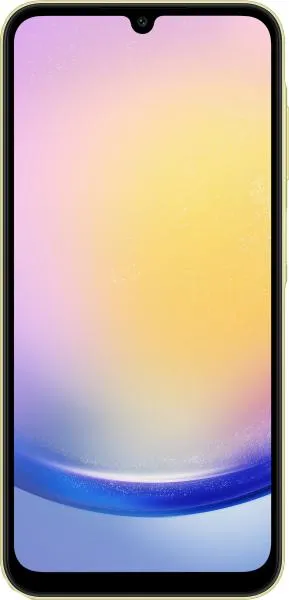
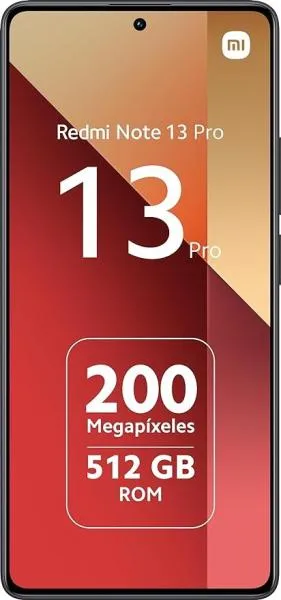
Samsung Galaxy A15 vs. Xiaomi Redmi Note 13 Pro 4G: A Detailed Comparison
Let's dive into a head-to-head comparison of the Samsung Galaxy A15 and the Xiaomi Redmi Note 13 Pro 4G, dissecting their specifications and uncovering what they truly offer the everyday user.
1. Specifications Breakdown
| Feature | Samsung Galaxy A15 | Xiaomi Redmi Note 13 Pro 4G | Real-World Implications | |
|---|---|---|---|---|
| Design | ||||
| Dimensions | 160.1 x 76.8 x 8.4 mm | 161.1 x 75 x 8 mm | Redmi is slightly taller and thinner, negligible difference in hand. | |
| Weight | 200g | 188g | Redmi feels noticeably lighter. | |
| Build Material | Plastic | (Not specified - assumed plastic) | Durability and premium feel may vary. | |
| Display | ||||
| Size | 6.5" | 6.67" | Redmi offers a slightly larger viewing area. | |
| Type | Super AMOLED, 90Hz | AMOLED, 120Hz | Both offer vibrant colors; Redmi has smoother scrolling and animations. | |
| Resolution | 1080 x 2340 | 1080 x 2400 | Similar sharpness; Redmi slightly taller aspect ratio. | |
| Peak Brightness | 800 nits (HBM) | 1300 nits (peak) | Redmi significantly brighter outdoors. | |
| Performance | ||||
| Chipset | Mediatek Helio G99 | Mediatek Helio G99 Ultra | Ultra variant might offer minor performance improvements. Claims need verification. | |
| CPU | Octa-core (2x2.2 GHz Cortex-A76 & 6x2.0 GHz Cortex-A55) | Octa-core (2x2.2 GHz Cortex-A76 & 6x2.0 GHz Cortex-A55) | Essentially identical CPU performance on paper. Real-world tests needed. | |
| GPU | Mali-G57 MC2 | Mali-G57 MC2 | Identical GPU, similar gaming performance expected. | |
| RAM | 6GB/8GB | 8GB/12GB | Redmi offers higher RAM options for better multitasking. | |
| Storage | 128GB/256GB | 256GB/512GB | Redmi offers larger storage options. | |
| Battery | ||||
| Capacity | 5000 mAh | 5000 mAh | Similar battery capacity, expected similar longevity. | |
| Other | ||||
| OS | Android 14 | Android 13 | Galaxy A15 ships with a newer Android version. | |
| OS Max Version | 17 | 16 | Galaxy A15 will receive longer software updates | |
| Sensors | Fingerprint (side-mounted) | Fingerprint (under display), gyro | Redmi offers more sensor options, in-display fingerprint sensor. |
2. Key Insights
- Display: The Redmi Note 13 Pro 4G boasts a higher refresh rate (120Hz) and significantly brighter display, making it superior for outdoor use and smoother for gaming and scrolling. While the A15 utilizes a Super AMOLED panel, the real-world difference compared to Redmi's AMOLED with 1 Billion colors is likely negligible for most users.
- Performance: While both phones share the same CPU and GPU, the "Ultra" designation on the Redmi's Helio G99 suggests potential performance enhancements. However, real-world benchmarks are needed to confirm any significant differences. The Redmi's higher RAM configurations offer a clear advantage for heavy multitasking.
- Software & Updates: The Galaxy A15 ships with Android 14 and is guaranteed longer software support than the Redmi. This translates to enhanced security and new features for a longer period.
- User Experience: Redmi's in-display fingerprint sensor and lighter weight contribute to a more premium and modern feel. The side-mounted fingerprint sensor on the A15 is practical but less sleek.
3. User Profiles and Recommendations
- Galaxy A15: Best suited for budget-conscious users prioritizing software updates and a reliable AMOLED display. A solid choice for everyday tasks, social media, and light gaming.
- Redmi Note 13 Pro 4G: Ideal for users who value a smoother, brighter display, more RAM for multitasking, and a sleeker design. A good option for mobile gamers and those consuming media on their phones.
4. Buying Decision Framework
- What's your budget and storage needs? The Redmi offers higher storage tiers but likely comes at a higher price.
- How important is display quality and performance? The Redmi offers a superior display and potentially better performance, especially for multitasking.
- Do you prioritize software updates? The Galaxy A15 has an advantage in terms of software updates and longevity.
My Choice: Redmi Note 13 Pro 4G
While the longer software support of the Galaxy A15 is tempting, the Redmi Note 13 Pro 4G edges out as my personal choice. The deciding factors are the brighter 120Hz display for a superior visual experience, the potential performance gains from the Helio G99 Ultra and higher RAM options, and the more modern design with an in-display fingerprint sensor. Although the "Ultra" claims need real-world verification, the combination of these features creates a more compelling package for my needs, assuming the price difference isn't substantial. I prioritize the immediate benefits of a smoother, more responsive user experience and a vibrant display.
