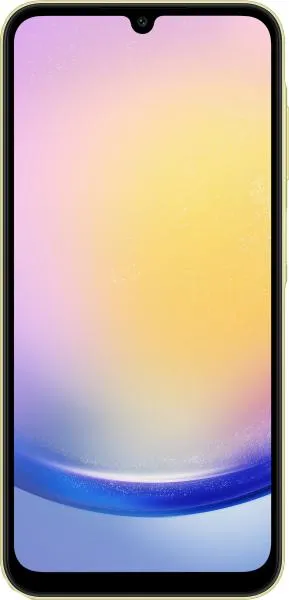
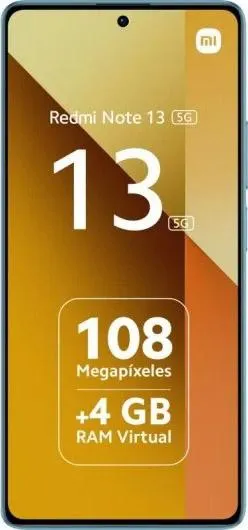
Samsung Galaxy A15 vs. Xiaomi Redmi Note 13: A Detailed Comparison
Let's dive deep into a comparative analysis of the Samsung Galaxy A15 and the Xiaomi Redmi Note 13, dissecting their specifications and uncovering what they truly offer in real-world usage.
1. Specifications Breakdown
| Feature | Samsung Galaxy A15 | Xiaomi Redmi Note 13 | Real-World Implications |
|---|---|---|---|
| Design | |||
| Dimensions | 160.1 x 76.8 x 8.4 mm | 161.1 x 75 x 7.6 mm | Redmi Note 13 is slightly taller, narrower, and significantly thinner. |
| Weight | 200g | 174.5g | Redmi Note 13 is noticeably lighter, improving one-handed use. |
| Display | |||
| Size | 6.5" | 6.67" | Redmi Note 13 offers a slightly larger screen for more immersive content consumption. |
| Type | Super AMOLED, 90Hz | AMOLED, 120Hz | Both offer vibrant colors; Redmi Note 13's 120Hz provides smoother scrolling and animations. |
| Resolution | 1080 x 2340 | 1080 x 2400 | Virtually identical pixel density; sharpness is comparable. |
| Peak Brightness | 800 nits (HBM) | 1000 nits | Redmi Note 13 should be more visible in direct sunlight. |
| Performance | |||
| Chipset | Helio G99 (6nm) | Dimensity 6080 (6nm) | Both offer similar mid-range performance, but the Dimensity 6080 might have a slight edge. |
| CPU | 2x2.2 GHz A76, 6x2.0 GHz A55 | 2x2.4 GHz A76, 6x2.0 GHz A55 | Redmi Note 13 has a slightly faster clock speed on its performance cores. |
| GPU | Mali-G57 MC2 | Mali-G57 MC2 | Similar graphics performance expected. |
| RAM | 6GB/8GB | 8GB/12GB | Redmi Note 13 offers higher RAM configurations for better multitasking. |
| Storage | 128GB/256GB | 256GB | Redmi Note 13 offers more base storage. |
| Battery | |||
| Capacity | 5000 mAh | 5000 mAh | Similar battery capacity; real-world battery life will depend on optimization. |
| Software | |||
| OS | Android 14 | Android 13 | Galaxy A15 launches with a newer Android version. |
| Other | |||
| Price Range | Medium | Low | Redmi Note 13 offers a more aggressive price point. |
2. Key Insights
- Display: The Redmi Note 13 boasts a smoother 120Hz refresh rate and higher peak brightness, making for a more enjoyable viewing experience, especially outdoors.
- Performance: While both phones use similar chipsets, the Redmi Note 13's slightly faster CPU and larger RAM options could provide a performance advantage in demanding tasks and multitasking.
- Price: The Redmi Note 13 significantly undercuts the Galaxy A15 in price, making it a compelling value proposition.
- Software: The Galaxy A15 ships with the latest Android 14, offering potential advantages in features and longer-term software updates.
3. User Profiles and Recommendations
- Galaxy A15: Suitable for users who prioritize a vibrant AMOLED display, longer software support, and trust the Samsung brand.
- Redmi Note 13: Ideal for budget-conscious users seeking excellent value, a smooth high refresh rate display, and strong performance for everyday tasks.
4. Buying Decision Framework
Questions to Ask:
- What's your budget? The Redmi Note 13 offers significantly better value if price is a major concern.
- How important is display quality? The Redmi Note 13's 120Hz and higher brightness give it an edge.
- Do you value the latest software? The Galaxy A15 comes with Android 14 out of the box.
My Choice: Xiaomi Redmi Note 13
If I were choosing between these two, I'd go for the Redmi Note 13. The combination of a smoother 120Hz display, a slightly more powerful processor with larger RAM options, and a significantly lower price point makes it the more compelling overall package. While the Galaxy A15 offers the latest Android version, the Redmi Note 13's advantages in key areas like display and performance, coupled with its aggressive pricing, outweigh the software difference for me. The lighter weight and slimmer profile of the Redmi Note 13 also enhance its daily usability. Ultimately, the Redmi Note 13 delivers exceptional value for its price.
