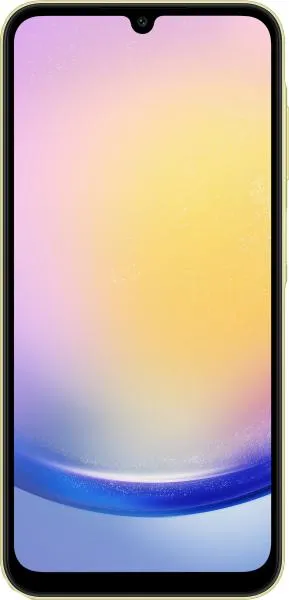
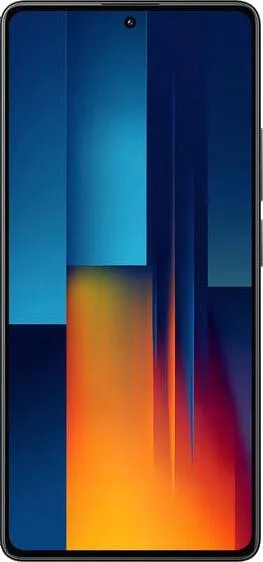
1. Specifications Comparison
| Feature | Samsung Galaxy A15 | Xiaomi Poco M6 Pro | Practical Impact |
|---|---|---|---|
| Design | |||
| Dimensions | 160.1 x 76.8 x 8.4 mm | 161.1 x 75 x 8 mm | Poco M6 Pro is slightly taller and thinner. Negligible difference in hand feel. |
| Weight | 200g | 179g | Poco M6 Pro is noticeably lighter, reducing hand fatigue during extended use. |
| Fingerprint Sensor | Side-mounted | Under-display | Preference-based. Under-display feels more modern, side-mounted can be faster and easier to reach. |
| Display | |||
| Size | 6.5" | 6.67" | Poco M6 Pro offers a slightly larger screen for more immersive content consumption. |
| Type | Super AMOLED, 90Hz | AMOLED, 120Hz | Both offer vibrant colors and deep blacks. Poco M6 Pro's 120Hz provides smoother animations and scrolling. |
| Peak Brightness | Not specified | 1300 nits | Poco M6 Pro's higher peak brightness ensures better visibility in direct sunlight. Missing peak brightness for A15 limits comparison. |
| Resolution | 1080 x 2340 | 1080 x 2400 | Virtually identical pixel density, resulting in similar sharpness. |
| Performance | |||
| Chipset | Mediatek Helio G99 (6nm) | Mediatek Helio G99 Ultra | "Ultra" designation suggests potential performance improvements in the Poco M6 Pro, but without specific benchmarks, the real-world difference is unclear. |
| CPU | Octa-core (2x2.2 GHz Cortex-A76 & 6x2.0 GHz Cortex-A55) | Octa-core (2x2.2 GHz Cortex-A76 & 6x2.0 GHz Cortex-A55) | Identical CPU configurations suggest similar processing power. |
| GPU | Mali-G57 MC2 | Mali-G57 MC2 | Identical GPUs indicate comparable graphics performance. |
| RAM/Storage | 128GB/6GB, 128GB/8GB, 256GB/8GB | 512GB/12GB | Poco M6 Pro offers significantly more storage and RAM, enabling smoother multitasking and ample space for apps and files. |
| Camera | |||
| Video Capabilities | 1080p@30fps | 1080p@30fps (EIS), 1080p@60fps (EIS) | Poco M6 Pro offers more versatile video recording with Electronic Image Stabilization (EIS) and 60fps option for smoother footage. Missing detailed camera specs limits thorough comparison. |
| Battery | |||
| Capacity | 5000 mAh | 5000 mAh | Identical battery capacities suggest similar battery life, though real-world usage can vary. |
| Other | |||
| OS | Android 14 | Android 13 | Galaxy A15 ships with a newer Android version out-of-the-box, potentially offering newer features and longer software support. Poco M6 Pro's maximum supported Android version is unknown. |
| USB | USB Type-C 2.0 | USB Type-C 2.0, OTG | Poco M6 Pro supports On-The-Go (OTG) allowing it to connect to peripherals like USB drives and mice. |
2. Key Differences Analysis
Samsung Galaxy A15 Advantages:
- Newer Android Version: Ships with Android 14, offering potential software advantages and longer-term updates.
Xiaomi Poco M6 Pro Advantages:
- Smoother Display: 120Hz refresh rate provides a more fluid user experience.
- Brighter Display: Higher peak brightness ensures better outdoor visibility.
- Larger Storage and RAM: More storage for apps and files, more RAM for smoother multitasking.
- More Versatile Video Recording: 60fps and EIS offer improved video quality.
- Lighter Design: Noticeably lighter, improving handling comfort.
- USB OTG: Supports connection to peripherals like USB drives.
3. User Profiles & Recommendations
Samsung Galaxy A15: Users prioritizing the latest software and long-term updates, on a tighter budget.
Xiaomi Poco M6 Pro: Users prioritizing performance, a smoother display, ample storage, and versatile video recording capabilities. Suitable for gamers, content creators, and power users.
4. Decision Framework
Key Questions for Buyers:
- How important is software and long-term updates?
- Is a high refresh rate display and ample storage a priority?
- What is your budget?
Scenario-Based Recommendations:
- Limited Budget, prioritizing software: Samsung Galaxy A15.
- Performance and multimedia focused: Xiaomi Poco M6 Pro.
My Choice: Xiaomi Poco M6 Pro
While the Galaxy A15 offers the advantage of newer software, the Poco M6 Pro provides a tangible performance and feature upgrade in areas that significantly impact daily usage. The 120Hz display, increased RAM and storage, brighter screen, lighter weight, and enhanced video recording capabilities outweigh the software advantage for me. The "Ultra" designation in the chipset hints at a potential performance advantage, although further benchmarks are needed to confirm this. Assuming a similar price point, the Poco M6 Pro offers a more compelling overall package. The lack of clarity around the maximum supported Android version for the Poco M6 Pro is a concern, but the immediate benefits in performance and features make it my preferred choice.
