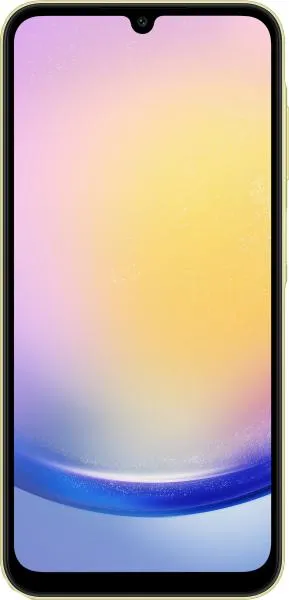
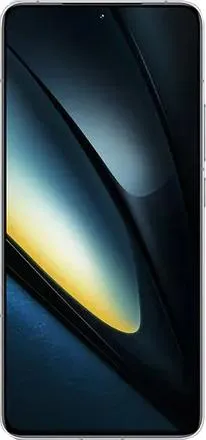
Let's dive into a comparative analysis of the Samsung Galaxy A15 and the Xiaomi Poco F6 Pro, dissecting their specifications and translating them into real-world implications for you.
1. Specifications Breakdown
| Feature | Samsung Galaxy A15 | Xiaomi Poco F6 Pro | Real-World Implications | ||||
|---|---|---|---|---|---|---|---|
| Design | |||||||
| Dimensions | 160.1x76.8x8.4mm | 160.9x75x8.2mm | Poco F6 Pro is slightly thinner. Negligible difference in overall size. | ||||
| Weight | 200g | 209g | Poco F6 Pro is slightly heavier, but the difference is minimal in hand. | ||||
| Display | |||||||
| Size | 6.5" | 6.67" | Poco F6 Pro offers a slightly larger screen for more immersive content consumption. | ||||
| Type | Super AMOLED, 90Hz | AMOLED, 120Hz | Poco F6 Pro boasts a higher refresh rate for smoother animations and scrolling, as well as potentially higher peak brightness. | ||||
| Resolution | 1080x2340 | 1440x3200 | Poco F6 Pro has a significantly sharper display due to higher resolution. | ||||
| Performance | |||||||
| Chipset | Helio G99 (6nm) | Snapdragon 8 Gen 2 | Poco F6 Pro features a vastly more powerful processor, enabling significantly faster performance in demanding tasks and games. | ||||
| CPU | Octa-core | Octa-core | While both are octa-core, the architecture of the Snapdragon 8 Gen 2 in the Poco F6 Pro offers superior performance. | ||||
| GPU | Mali-G57 MC2 | Adreno 740 | The Adreno 740 in the Poco F6 Pro delivers dramatically better graphics performance for gaming and visually intensive applications. | ||||
| RAM | 6GB/8GB | 12GB/16GB | Poco F6 Pro provides substantially more RAM, enabling smoother multitasking and handling of demanding applications. | ||||
| Storage | 128GB/256GB | 512GB/1TB | Poco F6 Pro offers significantly larger storage options for media and files. | ||||
| Camera | |||||||
| Video Capabilities | 1080p@30fps | Up to 8K@24fps | Poco F6 Pro allows for significantly higher resolution video recording. | Battery | |||
| Capacity | 5000mAh | 5000mAh | Same battery capacity, but real-world battery life will depend on usage and optimization. |
2. Key Insights
The Xiaomi Poco F6 Pro is a clear winner in terms of performance, display, and overall feature set. Its flagship-level Snapdragon 8 Gen 2 processor, coupled with ample RAM and storage, provides a vastly superior user experience for demanding tasks, gaming, and content creation. The higher resolution and refresh rate display further enhance the visual experience.
The Samsung Galaxy A15, on the other hand, is a budget-friendly option that caters to less demanding users. Its strength lies in its affordability and essential functionality.
3. User Profiles and Recommendations
- Power Users, Gamers, Content Creators: The Poco F6 Pro is the ideal choice for those who demand top-tier performance, a stunning display, and ample storage.
- Casual Users, Budget-Conscious Buyers: The Galaxy A15 is a suitable option for those who prioritize affordability and essential functionality for everyday tasks like browsing, social media, and communication.
4. Buying Decision Framework
- What is your budget? The Galaxy A15 offers better value in the lower price range.
- What are your primary smartphone needs? For demanding tasks and entertainment, the Poco F6 Pro is necessary. Basic tasks can be easily handled by the A15.
- How important is future-proofing? The Poco F6 Pro's superior hardware will offer a longer lifespan in terms of performance.
My Choice: I would choose the Xiaomi Poco F6 Pro. While significantly more expensive, the performance difference between the Snapdragon 8 Gen 2 and the Helio G99 is substantial. As someone who values a smooth and responsive user experience, especially for multitasking and occasional mobile gaming, the Poco F6 Pro's superior hardware, display, and future-proofing capabilities are worth the investment. The A15 is a solid budget option, but it simply can't compete with the sheer power and feature set of the F6 Pro.
