
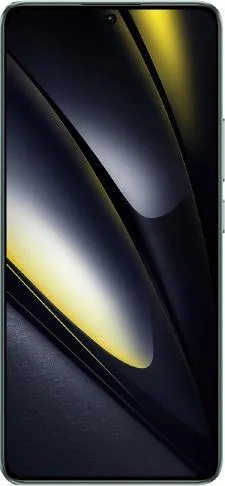
1. Specifications Comparison
| Feature | Samsung Galaxy A15 | Xiaomi Poco F6 | Practical Impact |
|---|---|---|---|
| Design | |||
| Dimensions | 160.1 x 76.8 x 8.4 mm | 160.5 x 74.5 x 8 mm | Poco F6 is slightly narrower and thinner. Negligible difference in daily use. |
| Weight | 200g | 179g | Poco F6 is noticeably lighter, improving one-handed use and reducing pocket bulk. |
| Fingerprint Sensor | Side-mounted | Under-display | Preference-based. Under-display is often perceived as more modern. |
| Display | |||
| Size | 6.5" | 6.67" | Poco F6 offers a slightly larger screen for more immersive content consumption. |
| Type | Super AMOLED, 90Hz | AMOLED, 120Hz | Poco F6's 120Hz refresh rate provides smoother animations and scrolling. |
| Resolution | 1080 x 2340 | 1220 x 2712 | Poco F6 has a sharper display due to higher resolution and pixel density (446 vs 396 ppi). |
| Peak Brightness | Not specified | 2400 nits | Poco F6's significantly higher peak brightness ensures excellent outdoor visibility. The lack of specified peak brightness for the A15 makes a direct comparison impossible. |
| Performance | |||
| Chipset | Mediatek Helio G99 (6nm) | Qualcomm Snapdragon 8s Gen 3 (4nm) | Poco F6 boasts a significantly more powerful processor, resulting in much faster performance for demanding tasks and gaming. |
| CPU | Octa-core (2x2.2 GHz Cortex-A76 & 6x2.0 GHz Cortex-A55) | Octa-core (1x3.0 GHz Cortex-X4 & 4x2.8 GHz Cortex-A720 & 3x2.0 GHz Cortex-A520) | The Poco F6's CPU architecture is superior, offering better performance and efficiency. |
| GPU | Mali-G57 MC2 | Adreno 735 | Poco F6's GPU is considerably more powerful, enabling higher graphics settings and smoother gameplay in demanding games. |
| RAM/Storage | 128GB/6GB, 128GB/8GB, 256GB/8GB | 512GB/12GB | Poco F6 offers significantly more RAM and storage for multitasking and storing large files. |
| Camera | |||
| Video Capabilities | 1080p@30fps | 4K@60fps, 1080p@240fps | Poco F6 allows for significantly higher resolution and frame rate video recording, enabling better quality video capture and slow-motion footage. |
| Battery | |||
| Capacity | 5000 mAh | 5000 mAh | Similar battery capacity. Real-world battery life will depend on usage and optimization. |
2. Key Differences Analysis
Xiaomi Poco F6 Advantages:
- Significantly superior performance: The Snapdragon 8s Gen 3 chipset, faster CPU and GPU, and larger RAM offer a vastly improved experience for demanding tasks, gaming, and multitasking.
- Sharper and smoother display: The higher resolution, refresh rate, and peak brightness result in a noticeably better visual experience.
- Superior video recording capabilities: 4K@60fps and 1080p@240fps offer high-quality video recording and slow-motion capabilities.
- Lighter weight: More comfortable for extended use.
Samsung Galaxy A15 Advantages:
- Potentially lower price: Although both are in the "medium price" range, the A15 is likely to be more affordable given its less powerful specifications.
- More color options: Offers a wider variety of colors to suit personal preferences.
Trade-offs:
- The Poco F6's superior performance and features come at the likely cost of a higher price.
- The A15's lower price may sacrifice performance and features.
3. User Profiles & Recommendations
Samsung Galaxy A15: Suitable for users who prioritize basic smartphone functionality, casual social media use, light web browsing, and value affordability over top-tier performance.
Xiaomi Poco F6: Ideal for users who demand high performance for gaming, demanding applications, content creation (video recording), and appreciate a premium display and smooth user experience.
4. Decision Framework
Key Questions for Buyers:
- What is your budget? The Poco F6 will likely be more expensive.
- What are your primary smartphone uses? Gaming, demanding apps, and content creation benefit from the Poco F6's power.
- How important is display quality and smoothness? The Poco F6 offers a superior visual experience.
Scenario-Based Recommendations:
- Tight budget, basic usage: Samsung Galaxy A15
- Gamer, power user, content creator: Xiaomi Poco F6
My Choice: Xiaomi Poco F6
While lacking specific pricing information, the Poco F6 offers a significant leap in performance, display quality, and video recording capabilities compared to the Galaxy A15. The Snapdragon 8s Gen 3, 120Hz AMOLED display, and 4K@60fps video recording are compelling features that would greatly enhance my user experience. Even if the Poco F6 is priced higher within the "medium price" range, the significant performance and feature upgrades justify the potential extra cost for my needs. I prioritize a smooth and responsive user experience, high-quality visuals, and the capability to handle demanding tasks and gaming, making the Poco F6 the clear winner for me.
