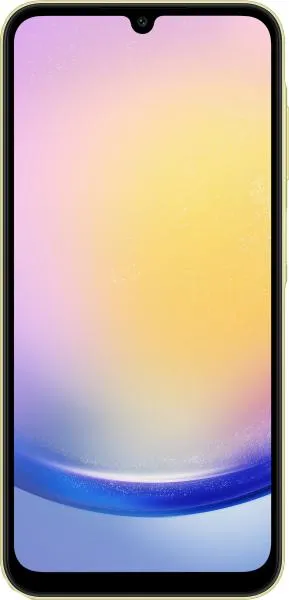
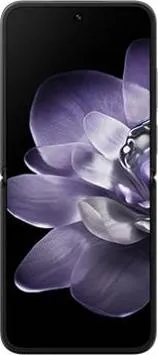
1. Specifications Comparison
| Feature | Samsung Galaxy A15 | Xiaomi Mix Flip | Practical Impact |
|---|---|---|---|
| Design | |||
| Dimensions | 160.1 x 76.8 x 8.4 mm | 167.5 x 74 x 7.6 mm | Mix Flip is slightly longer and narrower when unfolded, significantly more compact when folded. A15 is thicker. |
| Weight | 200g | 190g | Negligible weight difference in real-world usage. |
| Foldable | No | Yes | Mix Flip offers greater portability and a unique form factor. |
| Display | |||
| Size | 6.5" | 6.86" | Mix Flip provides a larger viewing area for multimedia consumption. |
| Type | Super AMOLED, 90Hz | Foldable LTPO AMOLED, 120Hz | Mix Flip's foldable LTPO panel allows for dynamic refresh rate adjustment, potentially saving battery. Higher peak brightness dramatically improves outdoor visibility. |
| Resolution | 1080 x 2340 | 1224 x 2912 | Mix Flip has a sharper display with higher pixel density (460 vs 396 PPI). |
| Refresh Rate | 90Hz | 120Hz | Mix Flip offers smoother scrolling and animations. |
| Peak Brightness | Not specified | 3000 nits | Mix Flip's significantly higher brightness ensures excellent outdoor visibility. Missing A15 data prevents full comparison. |
| Performance | |||
| Chipset | Mediatek Helio G99 (6nm) | Qualcomm Snapdragon 8 Gen 3 (4nm) | Mix Flip boasts significantly more powerful CPU and GPU, resulting in much faster performance for demanding tasks and gaming. |
| CPU | Octa-core (2x2.2 GHz Cortex-A76 & 6x2.0 GHz Cortex-A55) | Octa-core (1x3.3 GHz Cortex-X4 & 3x3.2 GHz Cortex-A720 & 2x3.0 GHz Cortex-A720 & 2x2.3 GHz Cortex-A520) | Mix Flip's newer and more powerful CPU architecture provides a substantial performance advantage. |
| GPU | Mali-G57 MC2 | Adreno 750 | Mix Flip's superior GPU ensures significantly better gaming and graphics performance. |
| RAM/Storage | 6/128GB, 8/128GB, 8/256GB | 12/512GB | Mix Flip offers significantly more RAM and storage for multitasking and large files. |
| Battery | |||
| Capacity | 5000 mAh | 4780 mAh | While the A15 has a slightly larger battery, the Mix Flip's LTPO display and more efficient chipset might result in comparable or even better battery life. |
| Camera | |||
| Video Capabilities | 1080p@30fps | 8K@24fps, 4K@ various fps, up to 1080p@960fps | The Mix Flip offers significantly superior video recording capabilities, including higher resolutions and frame rates. No detailed camera specifications prevent a comprehensive comparison. |
2. Key Differences Analysis
Xiaomi Mix Flip Advantages:
- Significantly more powerful: The Snapdragon 8 Gen 3 offers a massive performance leap over the Helio G99.
- Foldable design: Provides unique portability and usability advantages.
- Superior display: Larger, sharper, brighter, and smoother with a 120Hz LTPO panel.
- Advanced video recording: Supports much higher resolutions and frame rates.
Samsung Galaxy A15 Advantages:
- Potentially longer battery life: Slightly larger battery capacity, though real-world usage depends on various factors.
- Lower price: Positioned in the medium price range, making it more accessible.
3. User Profiles & Recommendations
Samsung Galaxy A15: Budget-conscious users prioritizing basic smartphone functionalities like calling, texting, social media, and light web browsing. Students or individuals seeking a reliable secondary device.
Xiaomi Mix Flip: Users who value cutting-edge technology, top-tier performance, and a unique foldable form factor. Content creators, professionals needing powerful multitasking capabilities, and tech enthusiasts.
4. Decision Framework
Key Questions for Buyers:
- Budget: Is a high-end flagship smartphone within your budget?
- Performance Needs: Do you require top-tier processing power for demanding tasks or gaming?
- Form Factor Preference: Do you prioritize portability and a unique foldable design, or a traditional smartphone experience?
My Choice: Xiaomi Mix Flip
While the Samsung Galaxy A15 offers a budget-friendly option, the Xiaomi Mix Flip's significant advantages in performance, display, and innovative foldable design make it the clear winner for me. The Snapdragon 8 Gen 3, coupled with the superior display and advanced camera features, justifies the higher price for my needs. I prioritize a fluid user experience, future-proof performance, and the portability offered by the foldable design. The A15 serves a specific niche for budget-conscious buyers, but the Mix Flip represents a substantial leap in technology and user experience. The lack of complete camera specifications for the A15 further hinders a complete evaluation, but the available data points overwhelmingly favor the Mix Flip.
