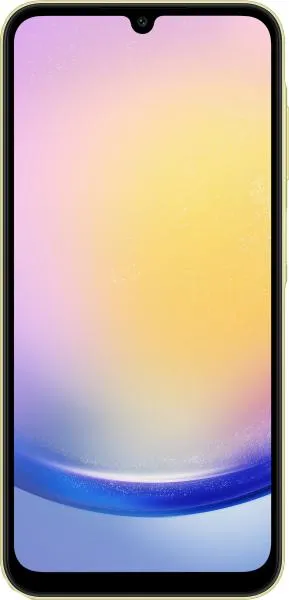
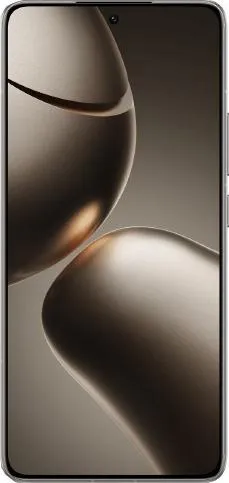
1. Specifications Comparison
| Feature | Samsung Galaxy A15 | Xiaomi 14T Pro | Practical Impact |
|---|---|---|---|
| Design | |||
| Dimensions | 160.1 x 76.8 x 8.4 mm | 160.4 x 75.1 x 8.4 mm | Virtually identical dimensions; minimal practical difference in hand feel. |
| Weight | 200g | 209g | Slight weight difference (9g), likely imperceptible in daily use. |
| Fingerprint Sensor | Side-mounted | Under-display | Preference-based; both are reliable unlocking methods. |
| Display | |||
| Size | 6.5" | 6.67" | Slightly larger screen on the Xiaomi offers more immersive content consumption. |
| Type | Super AMOLED, 90Hz | AMOLED, 144Hz | Xiaomi's higher refresh rate (144Hz) provides smoother animations and scrolling. |
| Resolution | 1080 x 2340 | 1220 x 2712 | Xiaomi boasts a sharper display due to higher resolution and pixel density. |
| Peak Brightness | Not specified | 4000 nits | Xiaomi's significantly higher peak brightness ensures excellent outdoor visibility. Missing peak brightness for the A15 limits comparison. |
| Performance | |||
| Chipset | Mediatek Helio G99 (6nm) | Mediatek Dimensity 9300+ (4nm) | The 9300+ on the Xiaomi is significantly more powerful, enabling smoother multitasking, demanding gaming, and faster app loading. The smaller 4nm process also suggests better power efficiency. |
| CPU | Octa-core (2x2.2 GHz Cortex-A76 & 6x2.0 GHz Cortex-A55) | Octa-core (1x3.4 GHz Cortex-X4 & 3x2.85 GHz Cortex-X4 & 4x2.0 GHz Cortex-A720) | The Xiaomi features a much more powerful CPU architecture, translating to superior performance in all tasks. |
| GPU | Mali-G57 MC2 | Immortalis-G720 MC12 | Xiaomi's GPU is considerably more powerful, delivering a superior gaming experience and handling graphics-intensive tasks with ease. |
| RAM/Storage | 128GB/6GB, 128GB/8GB, 256GB/8GB | 512GB/12GB | Xiaomi offers substantially more RAM and storage in its configuration, allowing for smoother multitasking and ample space for files and apps. |
| Camera | |||
| Video Capabilities | 1080p@30fps | Up to 8K@30fps, 1080p@960fps | Xiaomi offers significantly superior video recording capabilities with higher resolution (up to 8K) and frame rates (up to 960fps for slow-motion). |
| Battery | |||
| Capacity | 5000 mAh | 5000 mAh | Identical battery capacity; real-world battery life will depend on software optimization and usage patterns. |
2. Key Differences Analysis
Xiaomi 14T Pro Advantages:
- Significantly more powerful: Superior CPU, GPU, and more RAM translate to a smoother, faster, and more responsive user experience.
- Better display: Higher resolution, refresh rate, and peak brightness deliver a more immersive and vibrant visual experience.
- Superior video recording: Wider range of resolutions and frame rates caters to content creators and enthusiasts.
- More storage: Ample storage space for apps, photos, videos, and other files.
Samsung Galaxy A15 Advantages:
- Potentially lower price: While both are in the "medium price" range, the A15 likely sits at the lower end.
- More color options: Offers a wider variety of color choices for personalization.
Trade-offs:
- Performance vs. Price: The Xiaomi 14T Pro offers superior performance but likely comes at a higher price.
- Features vs. Simplicity: The Xiaomi packs more advanced features, which might be overwhelming for some users who prefer a simpler device.
3. User Profiles & Recommendations
Samsung Galaxy A15:
- Ideal User: Budget-conscious users who prioritize essential smartphone functionalities (calling, texting, social media, light browsing).
- Use Cases: Everyday communication, casual web browsing, social media consumption.
Xiaomi 14T Pro:
- Ideal User: Power users, gamers, content creators, and those who demand top-tier performance and a premium display.
- Use Cases: Demanding mobile gaming, professional content creation, multitasking, consuming high-resolution media.
4. Decision Framework
Key Questions for Buyers:
- What is your budget? The Xiaomi will likely be more expensive.
- What are your primary smartphone usage patterns? Casual use vs. demanding tasks.
- Do you prioritize performance and display quality or affordability and simplicity?
Scenario-Based Recommendations:
- Limited Budget: Samsung Galaxy A15.
- Focus on Gaming/Content Creation: Xiaomi 14T Pro.
- Everyday Use with Smooth Performance: Xiaomi 14T Pro if budget allows, otherwise consider the A15.
My Choice: Xiaomi 14T Pro
While the price difference isn't specified, the performance and feature gap between the two phones is significant. The Xiaomi 14T Pro offers a substantially better user experience with its powerful processor, stunning display, and superior camera capabilities. For my needs, which include multitasking, gaming, and media consumption, the 14T Pro's performance advantages outweigh the potential price premium. The increased RAM and storage are also significant benefits for long-term usability. I value a smooth and responsive user experience, which the 14T Pro is clearly designed to deliver. Even if the 14T Pro is at the higher end of the "medium price" range, the value proposition based on the provided specifications leans heavily in its favor.
