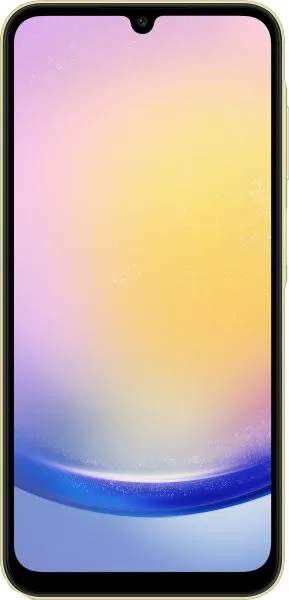
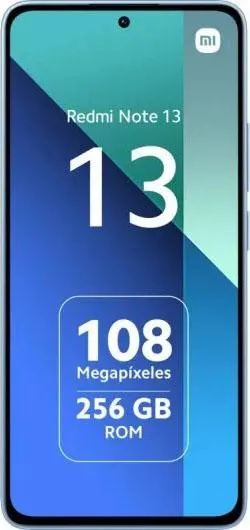
Samsung Galaxy A15 5G vs. Xiaomi Redmi Note 13 4G: A Deep Dive
Let's dissect these two mid-range contenders, the Samsung Galaxy A15 5G and the Xiaomi Redmi Note 13 4G, and see which one comes out on top.
1. Specifications Breakdown
| Feature | Samsung Galaxy A15 5G | Xiaomi Redmi Note 13 4G | Real-World Implications |
|---|---|---|---|
| Design | |||
| Dimensions | 160.1 x 76.8 x 8.4 mm | 162.3 x 75.6 x 8 mm | Redmi Note 13 is slightly taller and narrower, but both are similar in hand feel. |
| Weight | 200g | 188.5g | Redmi Note 13 is noticeably lighter, improving one-handed use. |
| Display | |||
| Size | 6.5" | 6.67" | Redmi Note 13 offers a slightly larger screen for more immersive content consumption. |
| Type | Super AMOLED, 90Hz | AMOLED, 120Hz | Both offer vibrant colors and deep blacks. Redmi Note 13's 120Hz provides smoother scrolling and animations. |
| Resolution | 1080 x 2340 | 1080 x 2400 | Virtually identical pixel density, resulting in sharp visuals on both. |
| Peak Brightness | 800 nits (HBM) | 1800 nits | Redmi Note 13's significantly higher brightness ensures excellent outdoor visibility. |
| Performance | |||
| Chipset | Dimensity 6100+ (6nm) | Snapdragon 685 (6nm) | Both are mid-range chipsets. Dimensity 6100+ generally offers better performance. |
| CPU | Octa-core (2x2.2 GHz Cortex-A76 & 6x2.0 GHz Cortex-A55) | Octa-core (4x2.8 GHz Cortex-A73 & 4x1.9 GHz Cortex-A53) | Dimensity 6100+'s architecture is more modern and power-efficient. |
| GPU | Mali-G57 MC2 | Adreno 610 | Mali-G57 MC2 provides a slight edge in graphics performance. |
| RAM | 6/8GB | 8GB | Redmi Note 13 offers more RAM in its base configuration, enhancing multitasking. |
| Battery | |||
| Capacity | 5000 mAh | 5000 mAh | Identical battery capacity suggests similar longevity, but real-world usage will vary. |
| Other | |||
| OS | Android 14 | Android 13 | Galaxy A15 launches with the latest Android version, offering potential feature advantages. |
| 5G | Yes | No | A key differentiator: Galaxy A15 offers future-proof 5G connectivity. |
| Camera | Galaxy A15 has a triple camera setup with a 50MP main lens and a 5MP ultrawide lens. Redmi Note 13's camera specifications are missing. | ||
| Main Camera | 50 MP | Not specified | Galaxy A15's 50MP main camera likely offers better resolution and detail. Real-world performance depends on factors like image processing and sensor quality, which are unknown for the Redmi Note 13. |
2. Key Insights
- Performance: While both phones offer decent mid-range performance, the Galaxy A15 5G, with its Dimensity 6100+, likely edges out the Redmi Note 13 in processing power and graphics capabilities.
- Display: The Redmi Note 13 boasts a smoother 120Hz display and significantly brighter screen for superior outdoor visibility. The A15 5G counters with the richer colors and deeper blacks characteristic of AMOLED technology.
- Connectivity: The Galaxy A15 5G's inclusion of 5G is a significant advantage, future-proofing your investment and offering faster data speeds in areas with 5G coverage.
- Software: The Galaxy A15 5G ships with the newer Android 14, potentially offering software features and security updates for a longer period.
3. User Profiles and Recommendations
- Galaxy A15 5G: Ideal for users who prioritize 5G connectivity, slightly better performance, the latest software, and a good balance of features.
- Redmi Note 13 4G: Best suited for users who value a smooth high refresh rate display, exceptional brightness for outdoor use, and are comfortable forgoing 5G for now.
4. Buying Decision Framework
- Is 5G connectivity a must-have? If yes, the Galaxy A15 5G is the clear choice.
- Which display characteristics matter most? Prioritize the Redmi Note 13 for smoothness and brightness; choose the A15 5G for deeper blacks and vibrant colors.
- What's your budget? Consider the price difference between the two models in relation to the features that matter most to you.
My Choice: I would choose the Samsung Galaxy A15 5G. While the Redmi Note 13 4G offers a compelling display, 5G connectivity is crucial for me in the long run. The A15 5G also offers a more modern processor and the latest Android version, ensuring a smoother, more future-proof experience. The slightly better performance and the presence of an ultrawide lens further solidify my choice. While we lack full camera details for the Redmi Note 13, the A15 5G's combination of features aligns better with my needs.
