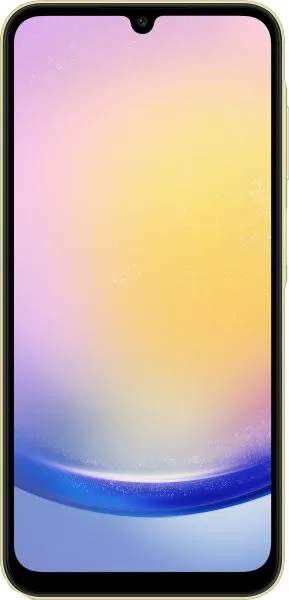
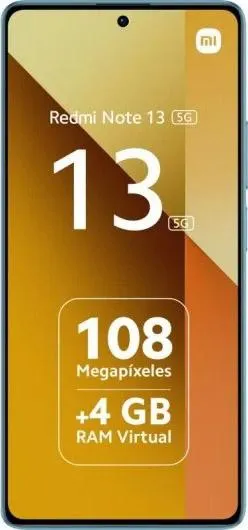
Let's dissect the Samsung Galaxy A15 5G and the Xiaomi Redmi Note 13, translating their spec sheets into real-world experiences.
1. Specifications Breakdown
| Feature | Samsung Galaxy A15 5G | Xiaomi Redmi Note 13 | Real-World Implications |
|---|---|---|---|
| Design | |||
| Dimensions | 160.1x76.8x8.4mm | 161.1x75x7.6mm | Redmi Note 13 is slightly longer, narrower, and significantly thinner. |
| Weight | 200g | 174.5g | Redmi Note 13 is noticeably lighter, improving one-handed use. |
| Display | |||
| Size | 6.5" | 6.67" | Redmi Note 13 offers a slightly larger screen for media consumption. |
| Type | Super AMOLED, 90Hz | AMOLED, 120Hz | Both offer vibrant colors; Redmi Note 13 has a smoother refresh rate. |
| Resolution | 1080x2340 | 1080x2400 | Virtually identical pixel density, resulting in sharp visuals. |
| Peak Brightness | 800 nits | 1000 nits | Redmi Note 13 should be more readable in direct sunlight. |
| Performance | |||
| Chipset | Dimensity 6100+ | Dimensity 6080 | Very similar performance, with minor advantages for the 6100+. |
| CPU | Octa-core (2x2.2 GHz Cortex-A76 & 6x2.0 GHz Cortex-A55) | Octa-core (2x2.4 GHz Cortex-A76 & 6x2.0 GHz Cortex-A55) | Redmi Note 13 has slightly faster clock speeds on performance cores. |
| GPU | Mali-G57 MC2 | Mali-G57 MC2 | Identical GPUs, expect similar gaming performance. |
| RAM | 6GB/8GB | 8GB/12GB | Redmi Note 13 offers higher RAM configurations for better multitasking. |
| Storage | 128GB/256GB | 256GB | Redmi Note 13 starts with higher base storage. |
| Camera | |||
| Video | 1080p@30fps (EIS) | 1080p@30fps | Similar video recording capabilities, A15 has Electronic Image Stabilization. |
| Battery Life | |||
| Capacity | 5000 mAh | 5000 mAh | Identical battery capacity, expected similar longevity depending on usage. |
| OS | Android 14 | Android 13 | A15 launches with a newer Android version. |
2. Key Insights
- Display: The Redmi Note 13's 120Hz display will feel noticeably smoother for scrolling and gaming. Its higher peak brightness will make it easier to use outdoors.
- Performance: While both chipsets offer comparable performance, the Redmi Note 13's higher RAM options provide a significant advantage for heavy multitasking and future-proofing.
- Design: The Redmi Note 13 is lighter and thinner, making it more comfortable for extended use.
- Software: The Galaxy A15 ships with Android 14, meaning it will likely receive longer software updates compared to the Redmi Note 13.
3. User Profiles and Recommendations
- Samsung Galaxy A15 5G: Best for users who prioritize software updates and a compact form factor. Good for moderate usage, including social media, browsing, and casual gaming.
- Xiaomi Redmi Note 13: Best for users who value a smooth display, strong performance, a lightweight design, and a lower price. Ideal for gamers, multitaskers, and heavy media consumers.
4. Buying Decision Framework
- What is your budget? The Redmi Note 13 offers greater value in terms of performance and features for its lower price.
- How important is software longevity? The Galaxy A15's newer Android version might offer a longer update cycle.
- Are you a heavy multitasker or gamer? The Redmi Note 13's 120Hz display and higher RAM options will provide a better experience for demanding tasks.
My Choice: Xiaomi Redmi Note 13
While the longer software support of the Samsung A15 is tempting, the Redmi Note 13's compelling combination of a smoother 120Hz display, lighter design, and significantly lower price point makes it the winner for me. The performance differences are negligible for my typical usage, and the Redmi's superior display and more comfortable handling would greatly enhance my daily experience. The value proposition of the Redmi Note 13 is simply too strong to ignore.
