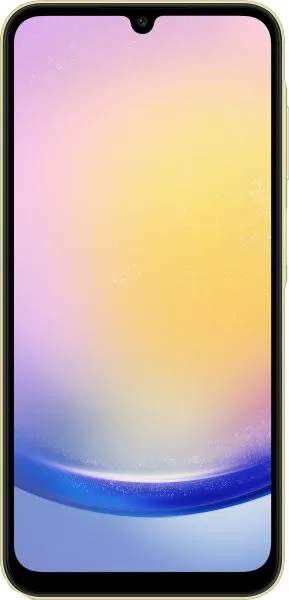
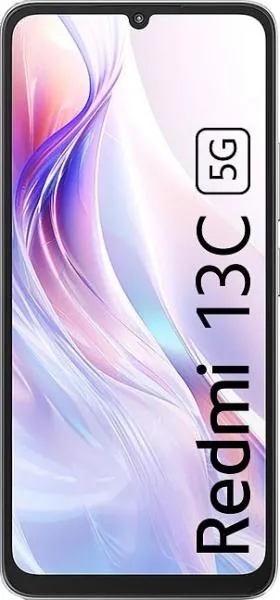
Samsung Galaxy A15 5G vs. Xiaomi Redmi 13C 5G: A Comparative Analysis
Let's dive into a detailed comparison of the Samsung Galaxy A15 5G and the Xiaomi Redmi 13C 5G, two mid-range contenders vying for your attention. We'll dissect their specs, analyze their real-world implications, and help you decide which phone might be your perfect fit.
1. Specifications Breakdown
| Feature | Samsung Galaxy A15 5G | Xiaomi Redmi 13C 5G | Real-World Implications |
|---|---|---|---|
| Design | |||
| Dimensions | 160.1 x 76.8 x 8.4 mm | 168 x 78 x 8.1 mm | A15 slightly more compact, potentially easier to handle |
| Weight | 200g | 192g | Redmi 13C slightly lighter |
| Display | |||
| Display Type | Super AMOLED, 90Hz | IPS LCD, 90Hz | A15: Richer colors, deeper blacks, better outdoors |
| Resolution | 1080 x 2340 | 720 x 1600 | A15: Sharper, more detailed visuals |
| Refresh Rate | 90Hz | 90Hz | Both: Smooth scrolling and animations |
| Performance | |||
| Chipset | Dimensity 6100+ | Dimensity 6100+ | Identical performance expected |
| CPU | Octa-core (2x2.2 GHz Cortex-A76 & 6x2.0 GHz Cortex-A55) | Octa-core (2x2.2 GHz Cortex-A76 & 6x2.0 GHz Cortex-A55) | Same processing power |
| GPU | Mali-G57 MC2 | Mali-G57 MC2 | Same graphics capabilities |
| RAM | 6GB/8GB | 6GB | A15 offers 8GB RAM option for smoother multitasking |
| Storage | 128GB/256GB | 128GB | A15 offers more storage options |
| OS | Android 14 | Android 13 | A15: Latest Android version, potentially longer updates |
| Other Features | |||
| Battery | 5000 mAh | 5000 mAh | Similar battery life expected |
| NFC | Yes | No | A15: Enables contactless payments |
| Sensors | Accelerometer, Gyro, Compass, Fingerprint | Accelerometer, Compass, Fingerprint | A15 includes a Gyroscope for motion-based apps/games |
2. Key Insights
Both phones share the same powerful Dimensity 6100+ chipset, promising comparable performance for everyday tasks and light gaming. However, the A15 pulls ahead with its vibrant Super AMOLED display, offering significantly better contrast and color accuracy than the Redmi 13C's IPS LCD. The higher resolution on the A15 also ensures sharper visuals. While both phones boast a 90Hz refresh rate for fluid scrolling, the superior display quality of the A15 will make this smoothness more noticeable and enjoyable.
The inclusion of NFC in the A15 is a major advantage for users who rely on contactless payments. The A15 also offers configurations with 8GB of RAM and up to 256GB of storage, providing more headroom for multitasking and media storage compared to the Redmi 13C's single 6GB/128GB option. While seemingly minor, the gyroscope in the A15 expands its capabilities for certain games and AR applications.
3. User Profiles and Recommendations
Samsung Galaxy A15 5G: Suited for users who prioritize display quality, smooth performance, future-proofing with the latest Android version, ample storage, and features like NFC for mobile payments. Ideal for media consumption, mobile gaming, and everyday productivity.
Xiaomi Redmi 13C 5G: Best for budget-conscious users who primarily need a reliable device for basic communication, web browsing, and social media. It offers solid performance and long battery life but compromises on display quality and extra features.
4. Buying Decision Framework
- Is display quality a top priority? If yes, the A15's Super AMOLED screen is the clear winner.
- Do you need NFC for contactless payments? If yes, the A15 is your only option here.
- What's your budget? If you're extremely price-sensitive, the Redmi 13C offers good value for its core features.
My Choice: I would choose the Samsung Galaxy A15 5G. While slightly more expensive, the superior AMOLED display, NFC functionality, extra RAM and storage options, the latest Android OS and the inclusion of a gyroscope make it a more well-rounded and future-proof device. The difference in display quality alone is a significant factor for me, as I consume a lot of media on my phone. The added benefits of NFC and expanded storage solidify the A15 as the better overall package in my opinion.
