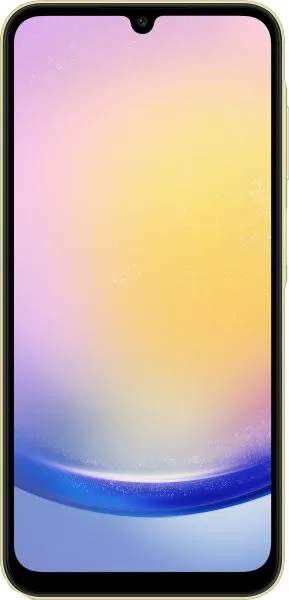
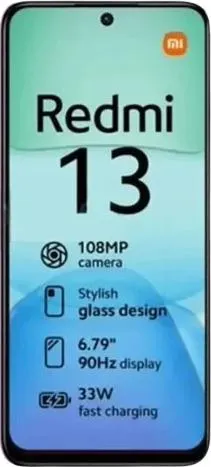
Let's dive into a comparative analysis of the Samsung Galaxy A15 5G and the Xiaomi Redmi 13, dissecting their specifications and uncovering what they truly offer users.
1. Specifications Breakdown
| Feature | Samsung Galaxy A15 5G | Xiaomi Redmi 13 | Real-World Implications |
|---|---|---|---|
| Design | |||
| Dimensions | 160.1 x 76.8 x 8.4 mm | 168.6 x 76.3 x 8.3 mm | Redmi 13 is noticeably taller; A15 potentially more pocketable. |
| Weight | 200g | 205g | Negligible weight difference in practical use. |
| Build Materials | Not specified | Not specified | Durability and premium feel remain unknown without further information. |
| Display | |||
| Size | 6.5" | 6.79" | Redmi 13 offers a larger screen for more immersive media consumption. |
| Type | Super AMOLED, 90Hz | IPS LCD, 90Hz | A15's AMOLED provides richer colors, deeper blacks, and potentially better outdoor visibility. |
| Resolution | 1080 x 2340 | 1080 x 2460 | Comparable sharpness; Redmi's slightly taller aspect ratio may be noticeable in some apps. |
| Refresh Rate | 90Hz | 90Hz | Both offer smooth scrolling and animations. |
| Performance | |||
| Chipset | Dimensity 6100+ (6nm) | Helio G91 Ultra (12nm) | Dimensity 6100+ likely offers better power efficiency due to smaller process node. |
| CPU | Octa-core (2x2.2 GHz Cortex-A76 & 6x2.0 GHz Cortex-A55) | Octa-core (2x2.0 GHz Cortex-A75 & 6x1.8 GHz Cortex-A55) | A15's CPU configuration suggests a potential performance advantage in demanding tasks. |
| GPU | Mali-G57 MC2 | Mali-G52 MC2 | A15 likely possesses a stronger GPU, beneficial for gaming and graphics-intensive applications. |
| RAM | 6GB/8GB | 8GB | Both offer sufficient RAM for multitasking; 8GB on A15 provides future-proofing. |
| Storage | 128GB/256GB | 256GB | Redmi 13 offers a higher base storage option. |
| Battery | |||
| Capacity | 5000 mAh | 5030 mAh | Negligible difference in battery capacity. Real-world battery life depends on optimization. |
| Other | |||
| OS | Android 14 | Android 14 | Both run the latest Android version. Long-term software updates are a key consideration. |
| NFC | Yes | Yes | Both support contactless payments and data transfer. |
| Price Range | Medium | Low | Redmi 13 positions itself as a more budget-friendly option. |
2. Key Insights
The Samsung Galaxy A15 5G prioritizes display quality and performance with its Super AMOLED screen and the more power-efficient Dimensity 6100+ chipset. The potentially superior CPU and GPU translate to smoother performance in demanding applications and games.
The Xiaomi Redmi 13, on the other hand, emphasizes affordability and a larger display. While its Helio G91 Ultra might not match the raw performance of the Dimensity chip, it still offers a competent user experience for everyday tasks.
3. User Profiles and Recommendations
A15 5G: Users who value vibrant visuals, smooth performance, and a compact form factor. Ideal for mobile gaming, media consumption, and demanding multitasking.
Redmi 13: Budget-conscious users who prioritize a large screen for immersive content and casual gaming. Suitable for everyday tasks, social media, and light productivity.
4. Buying Decision Framework
- What is your budget? If price is a primary concern, the Redmi 13 offers excellent value.
- Is display quality a top priority? The A15's Super AMOLED screen significantly enhances visual experience.
- Do you engage in demanding tasks or mobile gaming? The A15's superior performance will be noticeable.
My Choice: Samsung Galaxy A15 5G
While the Redmi 13 offers compelling value, I would choose the Samsung Galaxy A15 5G. The Super AMOLED display is a major differentiator for me, as I prioritize visual quality for media consumption. Moreover, the Dimensity 6100+'s performance advantage ensures a smoother and more responsive experience, especially in the long run. While the Redmi 13 is a strong contender in the budget segment, the A15's superior display and performance align better with my personal preferences and usage patterns. The slightly higher price is justified by these tangible benefits.
