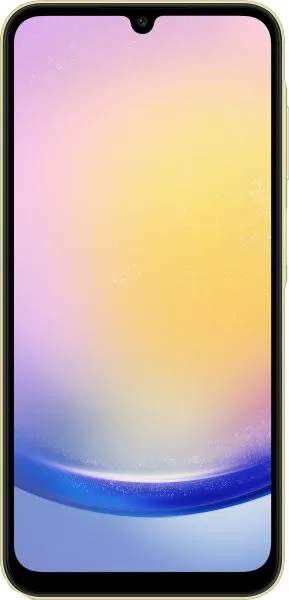
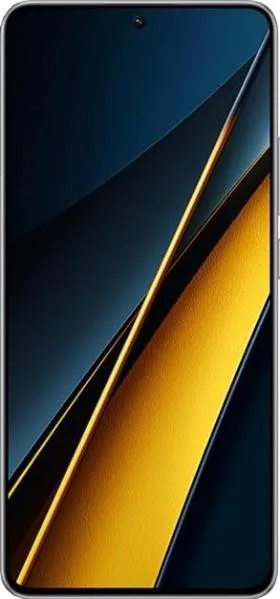
1. Specifications Comparison
| Feature | Samsung Galaxy A15 5G | Xiaomi Poco X6 Pro | Practical Impact |
|---|---|---|---|
| Design | |||
| Dimensions | 160.1 x 76.8 x 8.4 mm | 160.5 x 74.3 x 8.3 mm | Poco X6 Pro is slightly narrower and thinner. Negligible difference in hand feel. |
| Weight | 200g | 186g | Poco X6 Pro is noticeably lighter, reducing hand fatigue during extended use. |
| Fingerprint Sensor | Side-mounted | Under-display | Personal preference. Under-display generally considered more modern, side-mounted potentially faster and more reliable. |
| Display | |||
| Size | 6.5" | 6.67" | Poco X6 Pro offers a slightly larger screen for more immersive content consumption. |
| Type | Super AMOLED, 90Hz | AMOLED, 120Hz | Both offer vibrant colors and deep blacks. Poco X6 Pro's 120Hz refresh rate provides smoother animations and scrolling. |
| Resolution | 1080 x 2340 | 1220 x 2712 | Poco X6 Pro has a sharper display due to higher resolution and pixel density (446 vs 396 ppi). |
| Peak Brightness | Not specified | 1800 nits | Poco X6 Pro's significantly higher peak brightness ensures better visibility in direct sunlight. Lack of specified peak brightness for the A15 makes direct comparison difficult, but 1800 nits is exceptionally bright. |
| Performance | |||
| Chipset | Mediatek Dimensity 6100+ (6 nm) | Mediatek Dimensity 8300 Ultra (4 nm) | Poco X6 Pro's 8300 Ultra, built on a smaller process node, will likely offer significantly better performance and power efficiency. |
| CPU | Octa-core (2x2.2 GHz Cortex-A76 & 6x2.0 GHz Cortex-A55) | Octa-core (1x3.35 GHz Cortex-A715 & 3x3.20 GHz Cortex-A715 & 4x2.20 GHz Cortex-A510) | The Poco X6 Pro boasts newer and faster CPU cores, translating to faster app loading, smoother multitasking, and better gaming performance. |
| GPU | Mali-G57 MC2 | Mali G615-MC6 | Poco X6 Pro's GPU is more powerful, delivering smoother gaming and faster graphics rendering. |
| RAM/Storage | 128GB/6GB, 128GB/8GB, 256GB/8GB | 256GB/12GB, 512GB/12GB | Poco X6 Pro offers more RAM and storage in its base configuration, enabling better multitasking and ample space for files and apps. |
| Camera | |||
| Video Capabilities | 1080p@30fps (EIS) | 4K@24/30fps (EIS), 1080p@30/60fps (EIS) | Poco X6 Pro offers significantly better video recording capabilities with higher resolution and frame rate options. Detailed camera sensor specifications are missing, limiting a comprehensive comparison. |
| Battery | |||
| Capacity | 5000 mAh | 5000 mAh | Both phones have the same battery capacity. However, the Poco X6 Pro's more efficient chipset likely translates to longer battery life. |
2. Key Differences Analysis
Xiaomi Poco X6 Pro Advantages:
- Superior Performance: The Dimensity 8300 Ultra chipset, combined with more RAM, delivers significantly better performance for demanding tasks and gaming.
- Smoother Display: The 120Hz refresh rate and higher resolution provide a noticeably smoother and sharper visual experience.
- Brighter Display: The 1800 nits peak brightness ensures excellent outdoor visibility.
- Better Video Recording: Offers 4K recording and higher frame rate options.
Samsung Galaxy A15 5G Advantages:
- Potentially Lower Price: While both are in the "medium price" range, the A15 may be positioned at the lower end of this spectrum.
3. User Profiles & Recommendations
Xiaomi Poco X6 Pro: Ideal for users who prioritize performance, a smooth and vibrant display, and good video recording capabilities. Suitable for gamers, power users, and content creators.
Samsung Galaxy A15 5G: Suitable for budget-conscious users who prioritize basic functionality and 5G connectivity over top-tier performance. Good for casual users primarily focused on communication, web browsing, and light media consumption.
4. Decision Framework
Key Questions for Buyers:
- What is your budget? The Poco X6 Pro likely commands a higher price due to its superior specs.
- What are your primary use cases? Gamers and power users will benefit from the Poco X6 Pro's performance, while casual users might find the A15 sufficient.
- How important is display quality? The Poco X6 Pro offers a noticeably better display experience.
My Choice: Xiaomi Poco X6 Pro
The Poco X6 Pro offers significant advantages in performance, display quality, and video recording capabilities. While potentially more expensive, the superior user experience justifies the likely price difference for me. The smoother display, faster performance, and brighter screen are crucial for my daily usage, which involves gaming, content creation, and frequent outdoor use. The A15 offers a solid foundation, but the Poco X6 Pro delivers a more compelling overall package.
