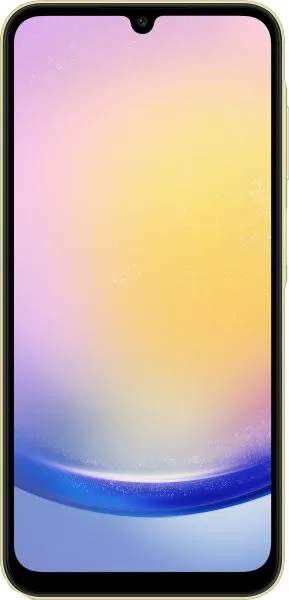
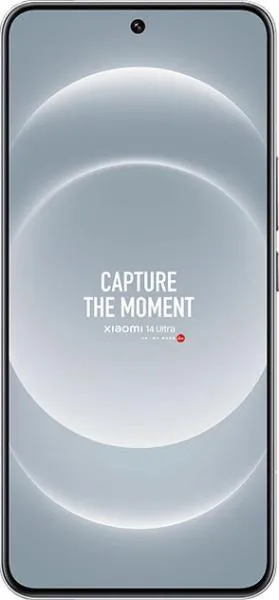
Samsung Galaxy A15 5G vs. Xiaomi 14 Ultra: A Deep Dive
Let's dissect these two smartphones, the Samsung Galaxy A15 5G and the Xiaomi 14 Ultra, cutting through the marketing jargon to reveal what truly matters for everyday use.
1. Specifications Breakdown
| Feature | Samsung Galaxy A15 5G | Xiaomi 14 Ultra | Real-World Implications |
|---|---|---|---|
| Design | |||
| Dimensions | 160.1 x 76.8 x 8.4 mm | 161.4 x 75.3 x 9.2 mm | Xiaomi 14 Ultra is slightly larger and heavier. A15 5G might feel more comfortable for one-handed use. |
| Weight | 200g | 229.5g | Noticeable weight difference; Xiaomi 14 Ultra feels more substantial, potentially more premium. |
| Display | |||
| Size | 6.5" | 6.73" | Xiaomi offers a larger screen for more immersive content consumption. |
| Type | Super AMOLED, 90Hz | LTPO AMOLED, 120Hz | Xiaomi boasts a superior display with smoother scrolling and animations due to the higher refresh rate and LTPO technology for variable refresh rate leading to better battery life. |
| Resolution | 1080 x 2340 | 1440 x 3200 | Sharper, more detailed visuals on the Xiaomi due to higher resolution and pixel density. |
| Peak Brightness | 800 nits (HBM) | 3000 nits (peak) | Xiaomi's display is significantly brighter, ensuring excellent outdoor visibility. |
| Performance | |||
| Chipset | Dimensity 6100+ (6nm) | Snapdragon 8 Gen 3 (4nm) | Xiaomi's processor is considerably more powerful, enabling smoother multitasking and demanding gaming. |
| CPU | Octa-core | Octa-core | While both are octa-core, the architecture of the Snapdragon 8 Gen 3 delivers a significant performance advantage. |
| GPU | Mali-G57 MC2 | Adreno 750 | Xiaomi offers significantly better graphics performance, crucial for high-end gaming and visually intensive tasks. |
| RAM | 6GB/8GB | 16GB | Xiaomi has substantially more RAM, facilitating seamless multitasking and app switching. |
| Storage | 128GB/256GB | 512GB | Xiaomi provides much more internal storage. |
| Battery | |||
| Capacity | 5000 mAh | 5000 mAh | Similar battery capacity, but real-world battery life will depend on optimization and usage patterns. |
| Other | |||
| OS | Android 14 | Android 14 | Both run on the latest Android version, but long-term software support might differ. |
| Video Capabilities | 1080p@30fps | Up to 8K@24fps | Xiaomi provides vastly superior video recording capabilities. |
2. Key Insights
The Xiaomi 14 Ultra is a clear flagship device, boasting a cutting-edge processor, a stunning display, and impressive camera capabilities. It's built for power users who demand top-tier performance and premium features.
The Samsung Galaxy A15 5G targets the mid-range market, prioritizing affordability and essential features like 5G connectivity. It's a practical choice for users who prioritize value and reliable performance for everyday tasks.
3. User Profiles and Recommendations
Xiaomi 14 Ultra: Ideal for demanding users, gamers, content creators, and photography enthusiasts who need the best possible performance, display, and camera technology.
Samsung Galaxy A15 5G: Suitable for budget-conscious users, casual gamers, and those who prioritize basic functionality, 5G connectivity, and long battery life over top-tier performance.
4. Buying Decision Framework
- What is your budget? The Xiaomi 14 Ultra will command a significantly higher price.
- What are your primary smartphone uses? Heavy gaming, content creation, and photography/videography lean towards the Xiaomi. Everyday tasks, social media, and casual gaming favor the A15.
- How important are premium features like a high refresh rate display and top-tier camera? If these are essential, the Xiaomi is the better choice.
My Choice: Xiaomi 14 Ultra
While the Samsung Galaxy A15 5G offers good value, the Xiaomi 14 Ultra aligns better with my needs. As a tech journalist who frequently tests demanding apps, records high-quality video, and appreciates a smooth, responsive user experience, the superior performance, display, and camera capabilities of the Xiaomi 14 Ultra are compelling. The extra RAM and storage also provide future-proofing and ensure a smooth workflow. Although the price is higher, the significant performance leap justifies the investment for my professional needs. The A15 5G is a respectable contender in its price bracket, but the Xiaomi 14 Ultra offers a transformative experience that caters to power users and tech enthusiasts.
