1. Specifications Comparison
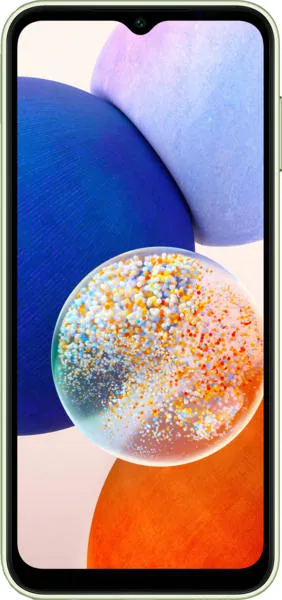
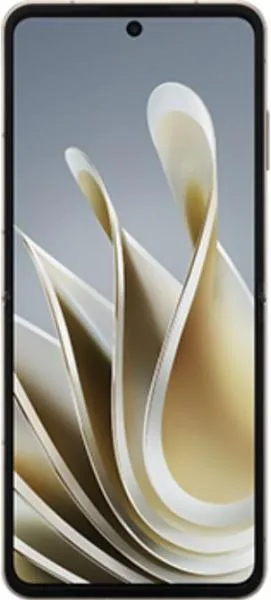
| Feature | Samsung Galaxy A14 | ZTE nubia Flip | Practical Impact |
|---|---|---|---|
| Design | |||
| Dimensions (mm) | 167.7 x 78 x 9.1 | 170 x 75.5 x 7 | Nubia Flip is slightly taller but significantly thinner when folded. A14 is lighter. Nubia's thinness when folded significantly improves portability. |
| Weight (g) | 201 | 214 | A14 is noticeably lighter, reducing hand fatigue during extended use. |
| Foldable | No | Yes | Nubia Flip's foldable design offers a larger screen in a pocketable form factor, but introduces potential durability concerns. |
| Display | |||
| Display Type | PLS LCD | Foldable OLED | OLED offers superior contrast, deeper blacks, and potentially better power efficiency. Foldable design allows for a larger screen when unfolded. |
| Size (inches) | 6.6 | 6.9 | Nubia Flip provides a larger viewing area for media consumption and multitasking when unfolded. |
| Resolution (px) | 1080 x 2408 | 1188 x 2790 | Nubia Flip has a sharper display with higher pixel density, resulting in crisper text and images. |
| Refresh Rate (Hz) | Not specified | 120 | Nubia Flip's 120Hz refresh rate delivers smoother animations and scrolling compared to A14's unspecified rate (likely 60Hz). |
| Performance | |||
| Chipset | Mediatek Helio G80 (12nm) | Qualcomm Snapdragon 7 Gen 1 (4nm) | Snapdragon 7 Gen 1 offers significantly better performance and power efficiency due to its more advanced manufacturing process and architecture. |
| CPU | Octa-core (2x2.0 GHz Cortex-A75 & 6x1.8 GHz Cortex-A55) | Octa-core (1x2.4 GHz Cortex-A710 & 3x2.36 GHz Cortex-A710 & 4x1.8 GHz Cortex-A510) | Nubia Flip's CPU boasts faster and more powerful cores, resulting in smoother multitasking and faster app loading. |
| RAM (GB) | 4/6 | 8 | Nubia Flip's 8GB RAM allows for more apps to run in the background without performance degradation. |
| Camera | |||
| Rear Camera (MP) | 50 + 2 + 2 | 50 + 2 | Both have comparable primary sensors, but Nubia Flip lacks a dedicated macro lens. Practical difference in macro photography may be minimal. |
| Front Camera (MP) | 13 | 16 | Nubia Flip has a slightly higher resolution front camera, potentially capturing more detailed selfies. |
| Video Capabilities | 1080p@30fps | Not specified | A14's specified video capability is limited. Lack of information on Nubia Flip prevents comparison. |
| Battery | |||
| Capacity (mAh) | 5000 | 4310 | A14 boasts significantly larger battery capacity, likely resulting in longer battery life despite the less efficient display. |
| Fast Charging (W) | 15 | 33 | Nubia Flip supports much faster charging, minimizing downtime. |
2. Key Differences Analysis
Samsung Galaxy A14 Advantages:
- Lower Price: Significantly more affordable.
- Larger Battery: Longer battery life expected.
- Lighter Weight: More comfortable for extended use.
ZTE nubia Flip Advantages:
- Foldable Design: Larger screen in a compact form factor.
- Superior Performance: Smoother multitasking, faster app loading, better gaming.
- Higher Quality Display: Brighter, more vibrant colors, smoother scrolling.
- Faster Charging: Significantly reduced charging time.
3. User Profiles & Recommendations
Samsung Galaxy A14: Budget-conscious users prioritizing battery life and affordability for basic tasks like calling, texting, and web browsing.
ZTE nubia Flip: Users seeking a stylish, compact device with a large screen and strong performance for multimedia consumption, multitasking, and moderate gaming. The novelty of a folding phone may be appealing.
4. Decision Framework
Key Questions for Buyers:
- Budget: How much are you willing to spend?
- Performance Needs: Do you require fast performance for demanding tasks or gaming?
- Form Factor Preference: Do you prioritize portability and a large screen or a traditional smartphone design with longer battery life?
Scenario-Based Recommendations:
- Limited Budget, Basic Usage: Samsung Galaxy A14
- Moderate Budget, Desire for Large Screen and Portability: ZTE nubia Flip
My Choice: ZTE nubia Flip
While the Samsung Galaxy A14 offers excellent value for its price, I would choose the ZTE nubia Flip. The significantly improved performance, higher quality display, and innovative foldable design outweigh the price difference and smaller battery for my personal needs. The faster charging mitigates some of the battery capacity concerns. I value the portability and larger screen afforded by the foldable design, and I am willing to pay a premium for these features. While the A14 is a solid budget option, the Nubia Flip provides a more compelling overall package in terms of technology and user experience.
