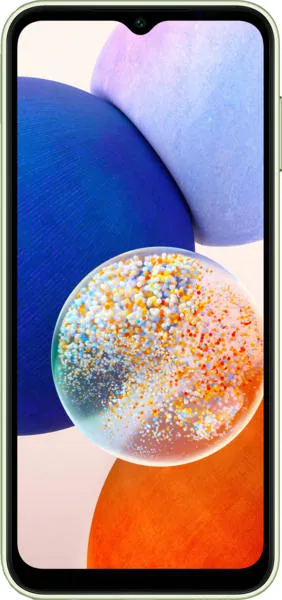
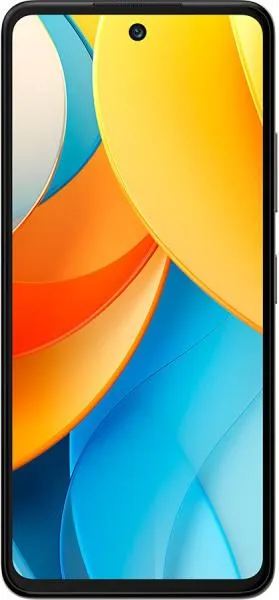
1. Specifications Comparison
| Feature | Samsung Galaxy A14 | ZTE Blade V60 Design | Practical Impact |
|---|---|---|---|
| Design | |||
| Dimensions (mm) | 167.7 x 78 x 9.1 | 164.2 x 75.3 x 8.6 | ZTE is slightly smaller and thinner. Negligible difference in daily use. |
| Weight (g) | 201 | 198 | Negligible difference in weight. |
| Build | Unspecified | Unspecified | Build material impacts durability and premium feel. Lack of info limits comparison. |
| Display | |||
| Size (inches) | 6.6 | 6.6 | Same size. |
| Resolution (px) | 1080 x 2408 | 720 x 1612 | Samsung has a significantly sharper display (400 ppi vs 267 ppi), resulting in clearer text and images. |
| Display Type | PLS LCD | IPS LCD | Both are LCD panels. PLS LCD generally offers slightly better color reproduction and viewing angles than standard IPS. |
| Refresh Rate (Hz) | Unspecified | 90 | Higher refresh rate on ZTE (90Hz) provides smoother scrolling and animations. Unspecified refresh rate on Samsung likely means standard 60Hz. |
| Performance | |||
| Chipset | Mediatek Helio G80 | Unisoc T606 | Both are entry-level chipsets. Helio G80 might offer slightly better gaming performance due to the slightly faster CPU cores. |
| CPU | Octa-core (2x2.0 GHz Cortex-A75 & 6x1.8 GHz Cortex-A55) | Octa-core (2x1.6 GHz Cortex-A75 & 6x1.6 GHz Cortex-A55) | Samsung's CPU has faster performance cores, resulting in potentially smoother multitasking and app loading. |
| GPU | Mali-G52 MC2 | Mali-G57 MP1 | While the G57 is a newer generation, the MC2 configuration on the Samsung might offer better performance in some scenarios. Real-world gaming differences might be minimal. |
| RAM (GB) | 4 | 4/6 | Both offer 4GB, but ZTE has a 6GB option for better multitasking. |
| Storage (GB) | 128 | 256 | ZTE offers significantly more storage, beneficial for users storing lots of media. |
| Camera | |||
| Main Camera (MP) | 50 | 50 | Same resolution; image quality will depend on sensor and processing software, which are not fully detailed. |
| Front Camera (MP) | 13 | 8 | Samsung has a higher resolution front camera. |
| Video Recording | 1080p@30fps | 1080p@30fps | Both offer similar video recording capabilities. |
| Battery | |||
| Capacity (mAh) | 5000 | 5000 | Same battery capacity. |
| Fast Charging | 15W | 22.5W | ZTE supports faster charging, reducing downtime. |
2. Key Differences Analysis
Samsung Galaxy A14 Advantages:
- Sharper Display: Significantly higher pixel density resulting in a crisper viewing experience.
- Slightly Faster CPU: Potentially faster app loading and multitasking.
ZTE Blade V60 Design Advantages:
- Higher Refresh Rate Display: Smoother scrolling and animations.
- More Storage: Significantly more storage for apps and media.
- Faster Charging: Less downtime.
- Lower Price: Positioned in the "low price" range compared to Samsung's "medium price."
3. User Profiles & Recommendations
Samsung Galaxy A14: Users prioritizing display quality for media consumption and casual gaming.
ZTE Blade V60 Design: Budget-conscious users who need ample storage and value smooth performance for everyday tasks. Suitable for users who don't prioritize sharp displays.
4. Decision Framework
Key Questions for Buyers:
- Is display sharpness a top priority? If yes, the Samsung is the clear winner.
- What is your budget? The ZTE offers more value for its price.
- How important is smooth scrolling and fast charging? The ZTE excels in these areas.
My Choice: ZTE Blade V60 Design
While the Samsung Galaxy A14 offers a sharper display, the ZTE Blade V60 Design provides a more well-rounded package for my needs. The 90Hz refresh rate significantly improves daily usability, the 256GB storage offers ample space, and the faster charging is a welcome convenience. The lower price point further solidifies its value proposition. While I appreciate a good display, the resolution difference isn't a deal-breaker for me, especially considering the trade-offs in other areas. The ZTE's combination of smooth performance, ample storage, fast charging, and affordability makes it the better overall choice for my usage pattern.
