
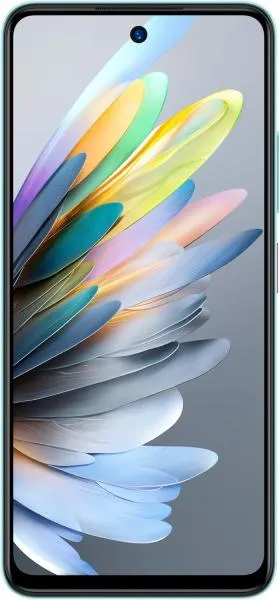
1. Specifications Comparison
| Feature | Samsung Galaxy A14 | ZTE Blade A75 4G | Practical Impact |
|---|---|---|---|
| Design | |||
| Dimensions (mm) | 167.7 x 78 x 9.1 | 164.1 x 75.8 x 8.6 | A14 slightly larger, but both are large phones. Negligible difference in daily use. |
| Weight (g) | 201 | 189 | A14 slightly heavier, but the difference is minimal. |
| Build Material | Not specified | Not specified | Cannot compare build quality and durability without this information. |
| Display | |||
| Size (inches) | 6.6 | 6.6 | Same screen size. |
| Resolution (pixels) | 1080 x 2408 | 720 x 1612 | A14 significantly sharper display (400 ppi vs 267 ppi). Sharper text and images, better media consumption experience on the A14. |
| Display Type | PLS LCD | IPS LCD | Both LCD types, PLS generally offers slightly better color reproduction and viewing angles than standard IPS. A14 may have a slight edge in visual quality. |
| Refresh Rate (Hz) | Not specified | 90 | Higher refresh rate on the A75 results in smoother scrolling and animations, making the phone feel more responsive. A missing spec for A14 hinders direct comparison. |
| Performance | |||
| Chipset | Mediatek Helio G80 | Unisoc T606 | Both entry-level chipsets, performance differences likely minor. Helio G80 may have a slight advantage in gaming due to slightly better GPU. |
| CPU | Octa-core (2x2.0 GHz A75 & 6x1.8 GHz A55) | Octa-core (2x1.6 GHz A75 & 6x1.6 GHz A55) | A14 has slightly faster clock speeds, potentially translating to slightly better performance in demanding tasks. |
| RAM (GB) | 4 (some versions have 6GB available) | 8 (some versions have 4GB available) | More RAM in the A75 (in the 8GB Version) allows for better multitasking and smoother performance with multiple apps open. The 4GB version of the A14 will likely struggle with multitasking. |
| Storage (GB) | 128 | 256 (some versions have 128GB available) | More base storage on the A75 provides ample space for apps, photos, and videos. |
| Camera | |||
| Main Camera (MP) | 50 | 50 | Similar resolution, image quality will depend on sensor and software processing, which are not fully detailed. |
| Front Camera (MP) | 13 | 8 | Higher resolution selfie camera on the A14 potentially offering better detail in self-portraits. |
| Video Recording | 1080p@30fps | 1080p@30fps | Similar video recording capabilities. |
| Battery | |||
| Capacity (mAh) | 5000 | 5000 | Same battery capacity, expected similar battery life depending on usage and software optimization. |
| Fast Charging | 15W | 22.5W | Faster charging on the A75 will top up the battery quicker. |
2. Key Differences Analysis
Samsung Galaxy A14 Advantages:
- Sharper Display: Higher resolution for clearer visuals.
- Slightly Faster CPU: Potentially better performance for demanding tasks.
- Higher Resolution Selfie Camera: Better quality self-portraits.
ZTE Blade A75 4G Advantages:
- Higher Refresh Rate Display: Smoother scrolling and animations.
- More RAM: Better multitasking capabilities (in the 8GB Version).
- More Base Storage: More space for apps and files.
- Faster Charging: Less time spent plugged in.
- Lower Price: Offers better value for the price, especially considering the higher RAM and storage.
3. User Profiles & Recommendations
Samsung Galaxy A14: Users prioritizing display quality for media consumption and who don't heavily multitask.
ZTE Blade A75 4G: Users prioritizing a smooth user experience, ample storage, fast charging, and value for money. Good for budget-conscious users who multitask or use many apps.
4. Decision Framework
Key Questions for Buyers:
- Is display sharpness or smoothness more important? A14 for sharper visuals, A75 for smoother scrolling.
- What's your budget and storage needs? A75 offers more storage for a lower price.
- How important is multitasking and fast charging? A75 excels in these areas (in the 8GB Version).
My Choice: ZTE Blade A75 4G (8GB Version)
Reasoning: While the A14 has a slightly better display in terms of sharpness, the A75 4G (8GB version) offers a more well-rounded package. The 90Hz refresh rate significantly improves the user experience, the 8GB RAM enables smoother multitasking, and the larger storage is a practical advantage. The faster charging is a bonus, and the lower price makes it a compelling value proposition. The slight compromise in display sharpness is acceptable considering the other benefits. The 4GB RAM version of the A14 is simply not powerful enough for today's needs, making the A75 a clear winner.
