1. Specifications Comparison
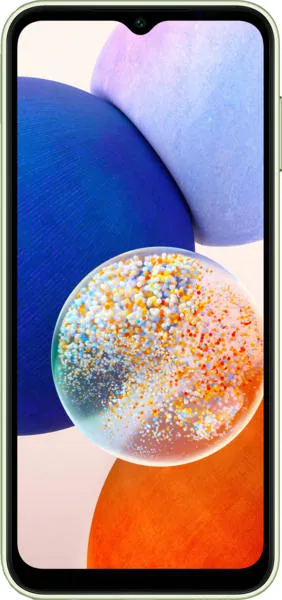
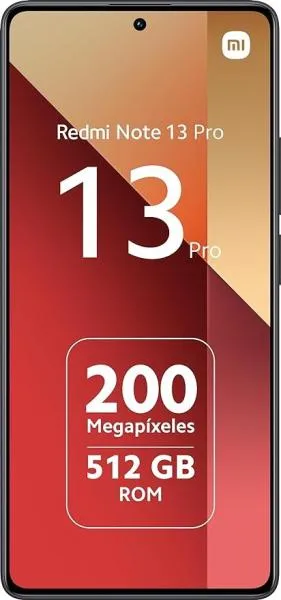
| Feature | Samsung Galaxy A14 | Xiaomi Redmi Note 13 Pro 4G | Practical Impact |
|---|---|---|---|
| Design | |||
| Dimensions (mm) | 167.7 x 78 x 9.1 | 161.1 x 75 x 8 | Redmi is slightly smaller and thinner, potentially improving one-handed usability. |
| Weight (g) | 201 | 188 | Redmi is noticeably lighter, reducing hand fatigue during extended use. |
| Build | Unspecified | Unspecified | Build material impacts durability and premium feel; information is missing for both. |
| Display | |||
| Size (inches) | 6.6 | 6.67 | Negligible difference in screen real estate. |
| Resolution (px) | 1080 x 2408 | 1080 x 2400 | Virtually identical resolution, resulting in similar sharpness. |
| Type | PLS LCD | AMOLED | AMOLED offers significantly better contrast, deeper blacks, and potentially brighter colors, leading to a more vibrant viewing experience. |
| Refresh Rate (Hz) | Unspecified | 120 | Higher refresh rate on the Redmi results in smoother animations and scrolling, making the phone feel more responsive. |
| Peak Brightness (nits) | Unspecified | 1300 | Higher peak brightness on Redmi ensures better visibility in direct sunlight. Missing spec for A14 limits comparison. |
| Performance | |||
| Chipset | Mediatek Helio G80 (12 nm) | Mediatek Helio G99 Ultra | G99 is a more powerful and efficient chipset, resulting in smoother performance, faster app loading, and better multitasking on the Redmi. |
| CPU | Octa-core (2x2.0 GHz Cortex-A75 & 6x1.8 GHz Cortex-A55) | Octa-core (2x2.2 GHz Cortex-A76 & 6x2.0 GHz Cortex-A55) | Redmi has faster and more modern CPU cores, translating to noticeable performance improvements in demanding tasks and gaming. |
| GPU | Mali-G52 MC2 | Mali-G57 MC2 | Redmi's GPU offers significantly improved graphics performance, beneficial for gaming and visually intensive applications. |
| RAM (GB) | 4 | 8/12 | More RAM on the Redmi allows for more apps to run in the background without reloading, improving multitasking performance. |
| Storage (GB) | 128 | 128/256/512 | Redmi offers more storage options, catering to users with larger media libraries. |
| Camera | |||
| Main Camera (MP) | 50 | 200 | Redmi's higher resolution main camera potentially captures more detail, especially in well-lit conditions. Actual image quality depends on sensor size and processing. |
| Other Cameras | Macro, Depth, Selfie | Wide, Macro, Depth, Selfie | Redmi offers a wider angle lens for broader shots. |
| Features | unspecified slow-mo | OIS, 240fps slow-mo | Redmi features Optical Image Stabilization for steadier videos and higher frame rate slow motion. |
| Battery | |||
| Capacity (mAh) | 5000 | 5000 | Identical battery capacity suggests similar battery life, although actual usage varies depending on other factors. |
| Fast Charging (W) | 15 | 67 | Redmi supports significantly faster charging, minimizing downtime. |
2. Key Differences Analysis
Samsung Galaxy A14 Advantages:
- Potentially Lower Price: While exact prices weren't provided, A series phones generally target a lower price point.
Xiaomi Redmi Note 13 Pro 4G Advantages:
- Superior Display: AMOLED with 120Hz refresh rate provides a significantly better visual experience.
- Significantly Faster Performance: More powerful chipset, CPU, and GPU result in smoother overall performance.
- More RAM and Storage Options: Better for multitasking and large media libraries.
- Faster Charging: 67W fast charging drastically reduces charging time.
- More Versatile Camera System: Higher resolution main sensor, wider angle lens, and Optical Image Stabilization offer greater flexibility.
3. User Profiles & Recommendations
Samsung Galaxy A14: Budget-conscious users who prioritize basic functionality over high-end features. Best for:
- Calling, texting, and web browsing
- Casual social media use
- Light gaming
Xiaomi Redmi Note 13 Pro 4G: Users seeking a well-rounded phone with excellent performance, display, and camera capabilities. Best for:
- Mobile gaming
- Content consumption (video streaming, photo editing)
- Demanding multitasking
- Photography enthusiasts
4. Decision Framework
Key Questions for Buyers:
- What is your budget? The A14 is likely more affordable.
- What are your primary smartphone uses? The Redmi excels in performance-intensive tasks and content consumption.
- How important is display quality and responsiveness? The Redmi's AMOLED display with 120Hz is a major advantage.
My Choice: Xiaomi Redmi Note 13 Pro 4G
While I lack specific pricing information, the Redmi Note 13 Pro 4G offers substantial upgrades in nearly every aspect compared to the Galaxy A14. The superior display, significantly faster performance, improved camera system, and drastically faster charging make it a more compelling device for a wider range of users. Even if the Redmi is more expensive, the performance and feature gap justify the price difference for most users beyond those strictly on the tightest budgets. The smoother user experience provided by the 120Hz AMOLED display and the powerful Helio G99 alone significantly enhance daily usage. The vastly improved camera system and incredibly fast charging are further compelling advantages.
